Setting up a nursery – how to make it cozy for your little one
Is your little bundle of joy arriving soon? Then it's time to start thinking about setting up the nursery. After all, you want your sweetheart to be as cozy as possible. Long before the birth, most parents ask themselves: How should I decorate and set up the nursery?
Setting up a nursery properly isn't always easy, as there are a few important things to keep in mind. The nursery shouldn't just meet your baby's needs in the first few months, but should also provide a cozy nest and a safe play environment well into their toddler years.
To give you some great nursery ideas and ensure everything goes smoothly when decorating, this guide summarizes all the most important tips.
Setting up a nursery – The must-haves for the perfect room
Every nursery needs a basic setup. This naturally includes a crib, a changing table, and a dresser to store baby clothes. These basics are essential for everything your little one needs: healthy sleep, fresh clothes, and a clean diaper.
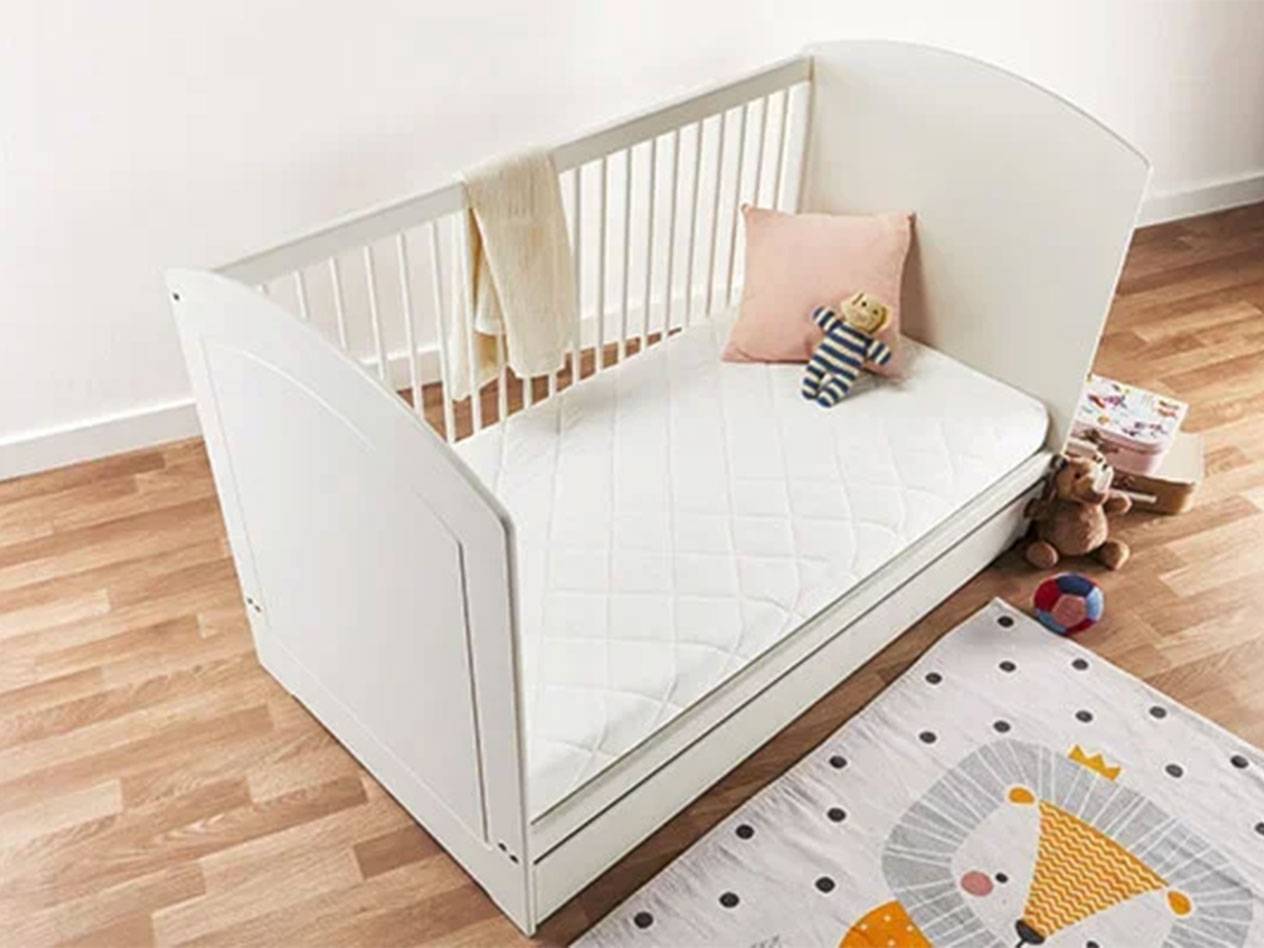
The Basics: Crib, Dresser, and Co.
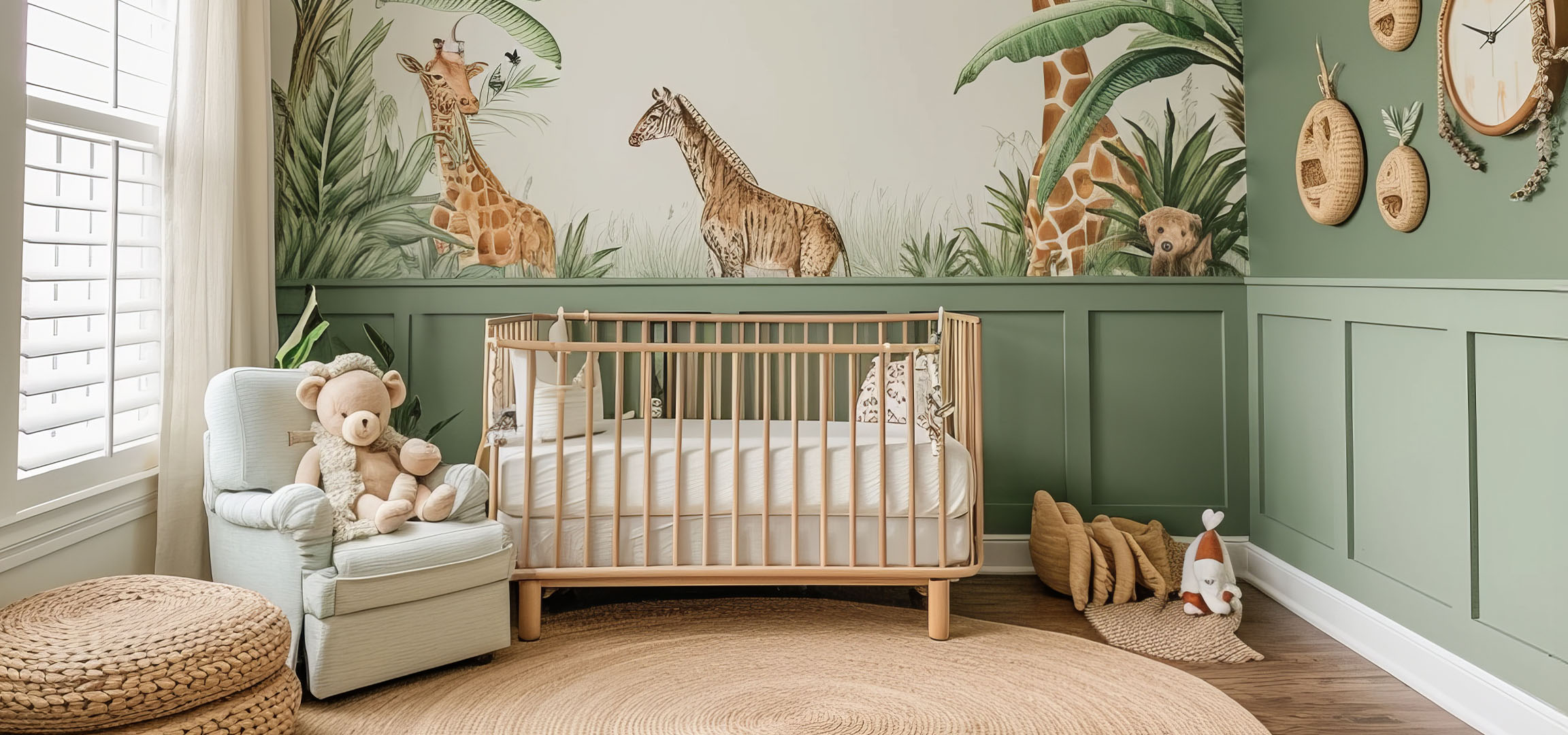
A well-furnished nursery definitely needs a good baby crib. It is important that the bed prevents the baby from falling out – a crib with bars is particularly suitable for this, as it is height-adjustable and ensures better air circulation through the side bars. For the beginning, a bedside co-sleeper for the parents' bedroom is also ideal. This saves you the trip to your baby when they cry at night, and you have them right close to you. When choosing a baby mattress, make sure it is not too soft and is also tested for harmful substances. In general, all furniture in the nursery should have rounded corners and edges to ensure that the baby does not get hurt.
- A safe crib and a high-quality baby mattress are absolute essentials for the nursery.
- A dresser provides plenty of space for diapers, spare clothes, and more. It is best to anchor it securely to the wall so it cannot tip over.
- A small wardrobe offers enough storage space for everything else your baby needs.
- A changing table is also highly recommended in the nursery. This makes it quick and easy to change your baby during the night. After all, a clean diaper makes for a happy baby.
When setting up the room, don't forget about child-friendly lighting. Several accent lights, such as table or wall lamps, make the room cozy, while a ceiling light provides plenty of illumination when you are changing and dressing your baby. To keep the light from being too harsh, the ceiling fixture should be dimmable. Additional nightlights create a soothing atmosphere and prevent you from having to turn on the main light or another bright lamp for nighttime feedings or diaper changes.
Time to get cozy – a snuggle corner for the whole family
A snuggle corner in the nursery is a place of comfort for both of you. In the beginning, it also serves as the ideal nursing corner; a place where you can retreat for a moment of peace. Whether you make a corner of the room cozy with lots of pillows or put a comfortable armchair there: the important thing is that this area is as comfortable and cozy as possible.
A pleasant temperature is also important for coziness – you can achieve this with a heat lamp over the changing table or a nursing lamp. Purchasing such a heat source is especially worthwhile if your baby is born in the fall or winter.
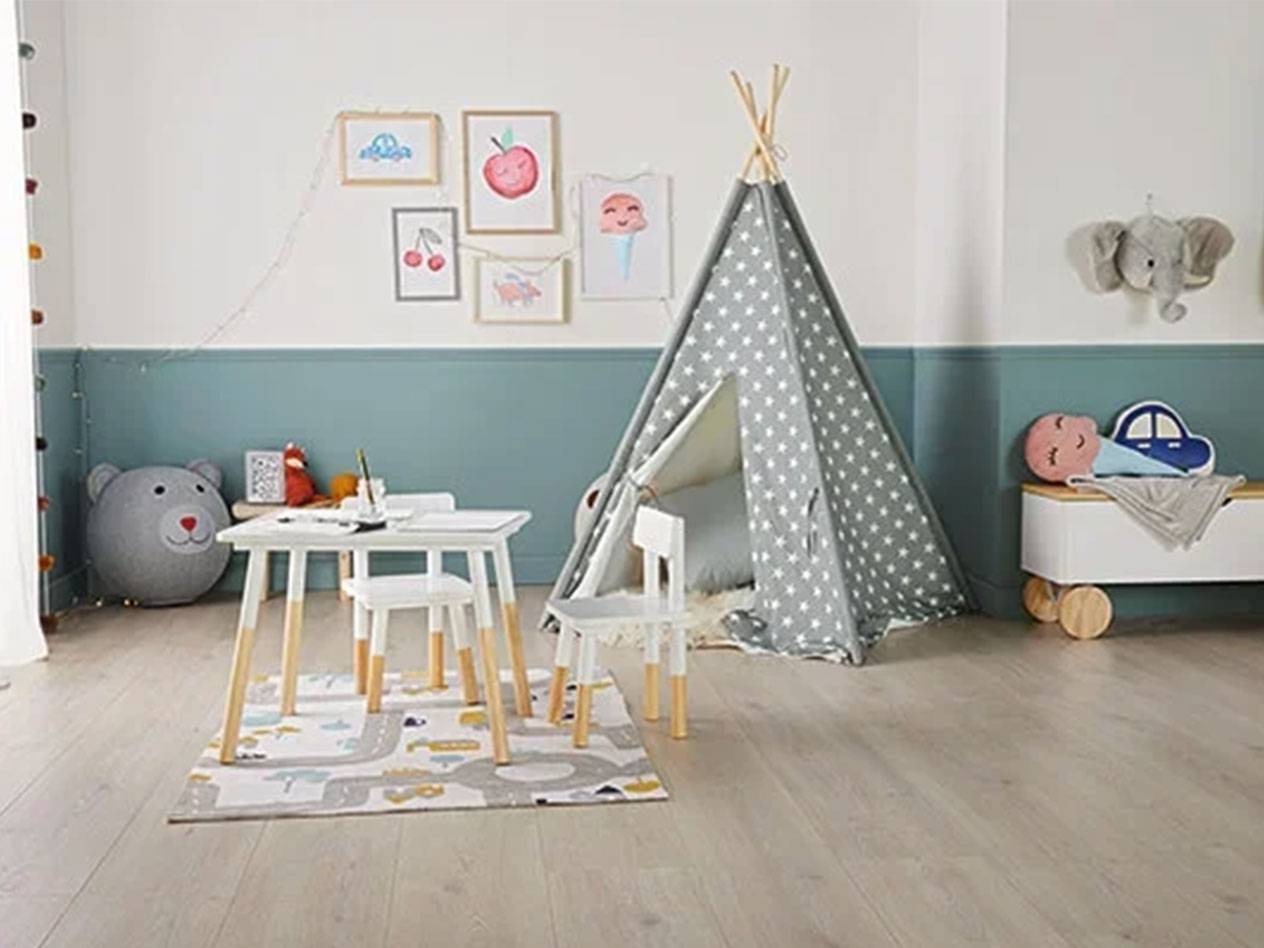
Designing a nursery with matching colors
The right colors in a nursery are particularly important, as they create a pleasant and soothing atmosphere. When you start designing your baby's room, you should opt for warm yet subtle shades that won't overstimulate your little one. Light and pastel colors are best suited for this. For example, design the nursery in a soft light blue or a warm, but not overly bright, yellow. You can also use multiple colors, but in this case, be careful not to bring too much "visual noise" into the room. You can achieve this by choosing colors that harmonize with each other. Babies perceive not only sounds but also colors as "noise" and react very sensitively to them.
You shouldn't paint the nursery right before the birth, but rather a few months in advance. This allows the paint to air out sufficiently so that your baby doesn't breathe in any harmful substances or paint odors in their room. When decorating the walls, pay special attention to the ceiling by decorating it with a pattern or hanging mobiles – because in the first few months, babies focus their gaze primarily on the ceiling.
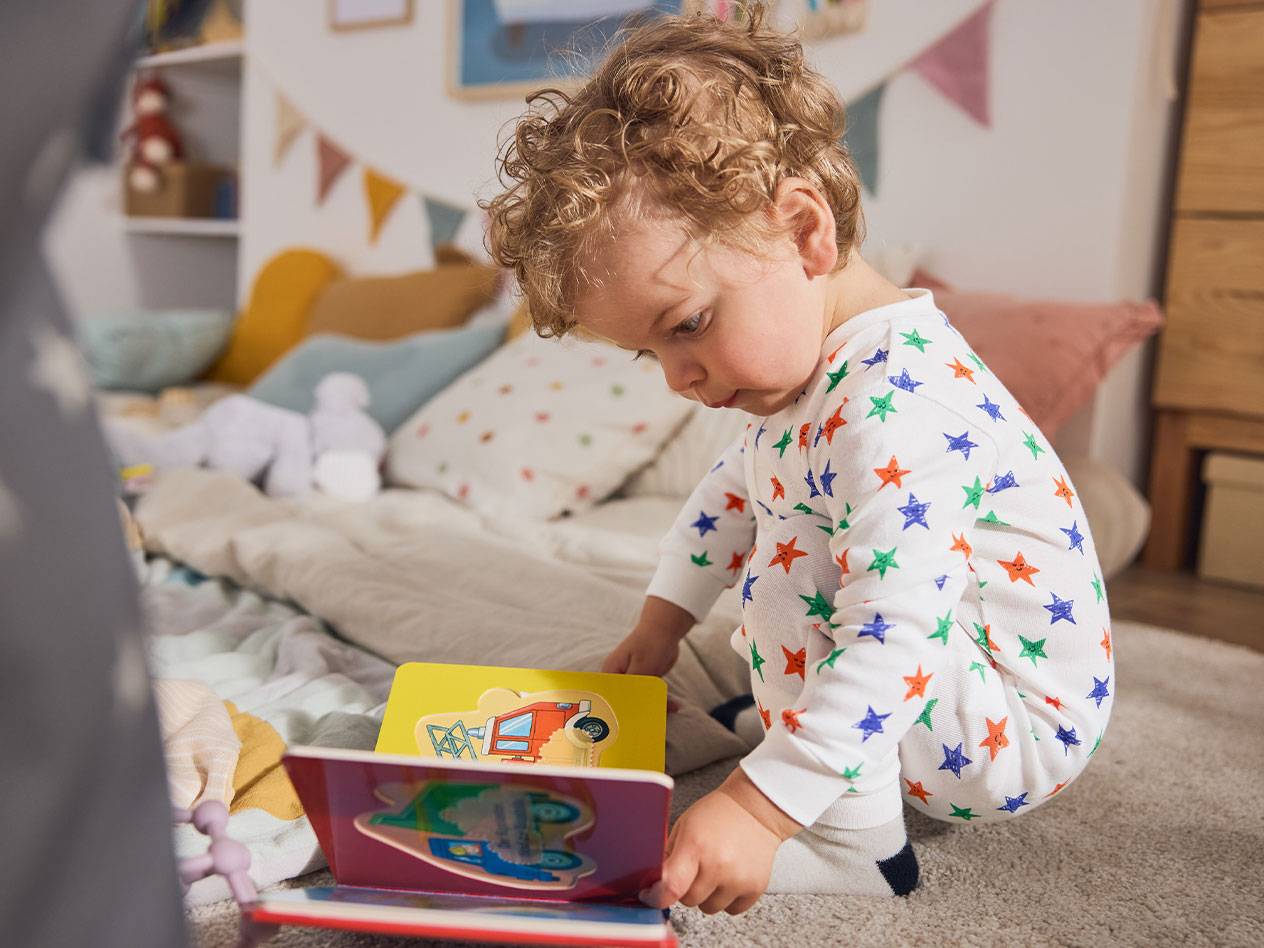
How to design the perfect play area
In the first few weeks, your baby won't be using the play area in their room just yet. But children grow fast, and soon your baby will start discovering their very first games. That's why it's important to keep a fun and varied play corner in mind right from the start when setting up the nursery. A play mat is also a must-have, of course. You can make it extra cozy by adding a kids' rug and plenty of cushions.
There is a huge selection of exciting toys for every age: ranging from rattles for the tiny ones to fabric books and small building blocks. A quick tip to avoid nursery chaos: at the end of the day, toys can be quickly stored away in boxes, open chests, or another handy storage system. This keeps clutter at bay and ensures everything has its place.
To get started, you'll need at least these basic essentials for the nursery:
Accessories Checklist
- Baby crib
- Baby mattress
- Baby bedding
- Changing table and changing pad
- Dresser
- Small wardrobe
- Storage boxes and/or open chests
- Lamps and nightlights
- Cozy blanket or soft rug
- Toys
- Mobiles & music boxes
Nursery furniture that grows with your baby
The play area should be designed to grow alongside your baby. Your little one will grow faster than you think, and it takes a lot of time and energy to redesign the nursery every six months. If you make sure from the very beginning that the play area can adapt to your baby's developmental stages, your little one will still enjoy it for years to come.