Bedding for Every Season: How to Choose the Right Material
Looking for sweet dreams? With the perfect bedding for every season, you can drift off into a relaxed sleep until morning. Whether you need bedding for winter or summer: get expert tips on choosing the right material and enjoy ultimate sleeping comfort.
Bedding Materials: Did You Know?
What is the difference between flannelette, jersey, seersucker, or satin? It is not necessarily the material! That is because these terms describe the weave and processing of the fiber. That is why you can buy satin as both cotton bedding and microfiber bedding, for example. Both fibers have their pros and cons.
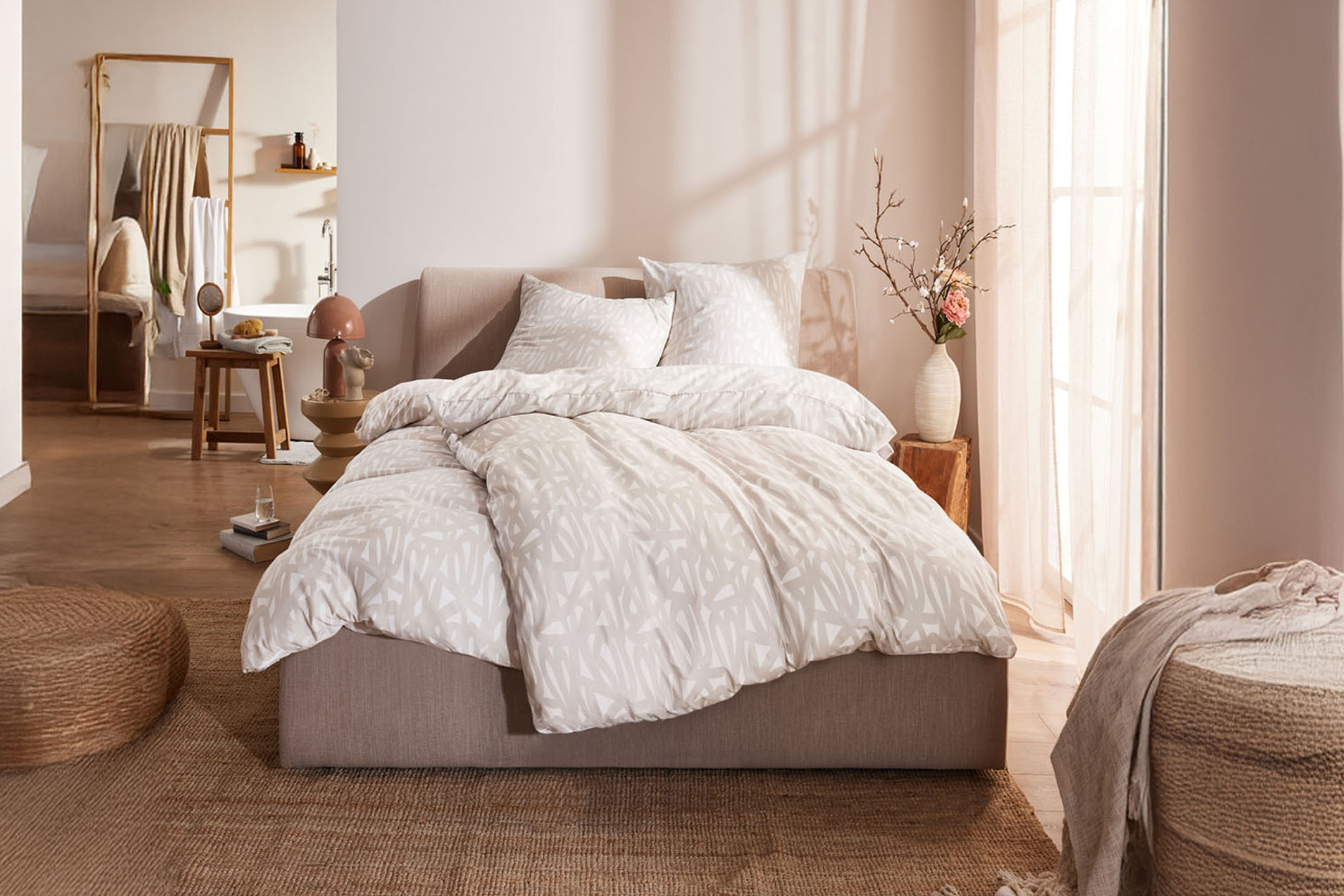
Cotton vs. Microfiber Bedding: A Comparison
Cotton Bedding | Microfiber Bedding |
|---|---|
+ Breathable | + Ideal for allergy sufferers |
+ Wicks moisture away from the body | + Cozy and warm |
+ Soft and comfortable on the skin | + Extremely easy to care for |
+ Durable + versatile | + Retains shape + fade-resistant |
- Prone to wrinkling | - Less breathable |
In addition to pure cotton or microfiber bedding, at Lidl you will find clever fiber blends that combine the benefits of both options. For allergy sufferers in particular, a mixed fiber blend is often a great solution for their bedding!
Which bedding is best for each season?
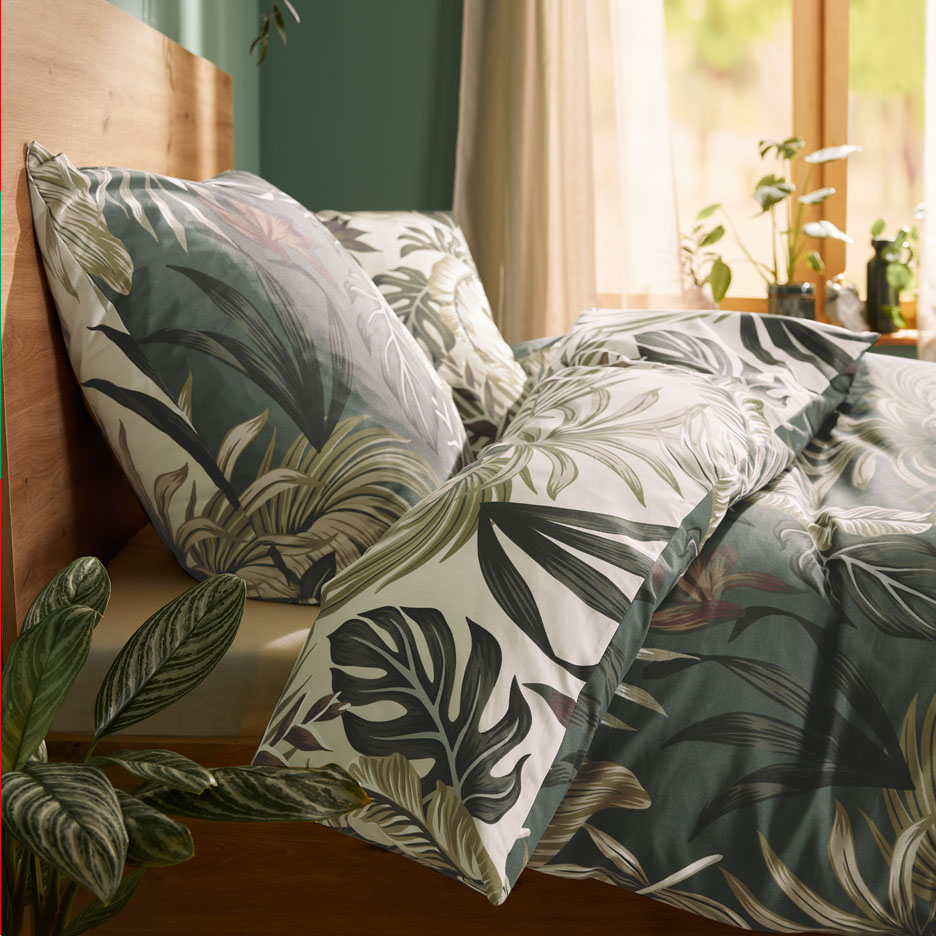
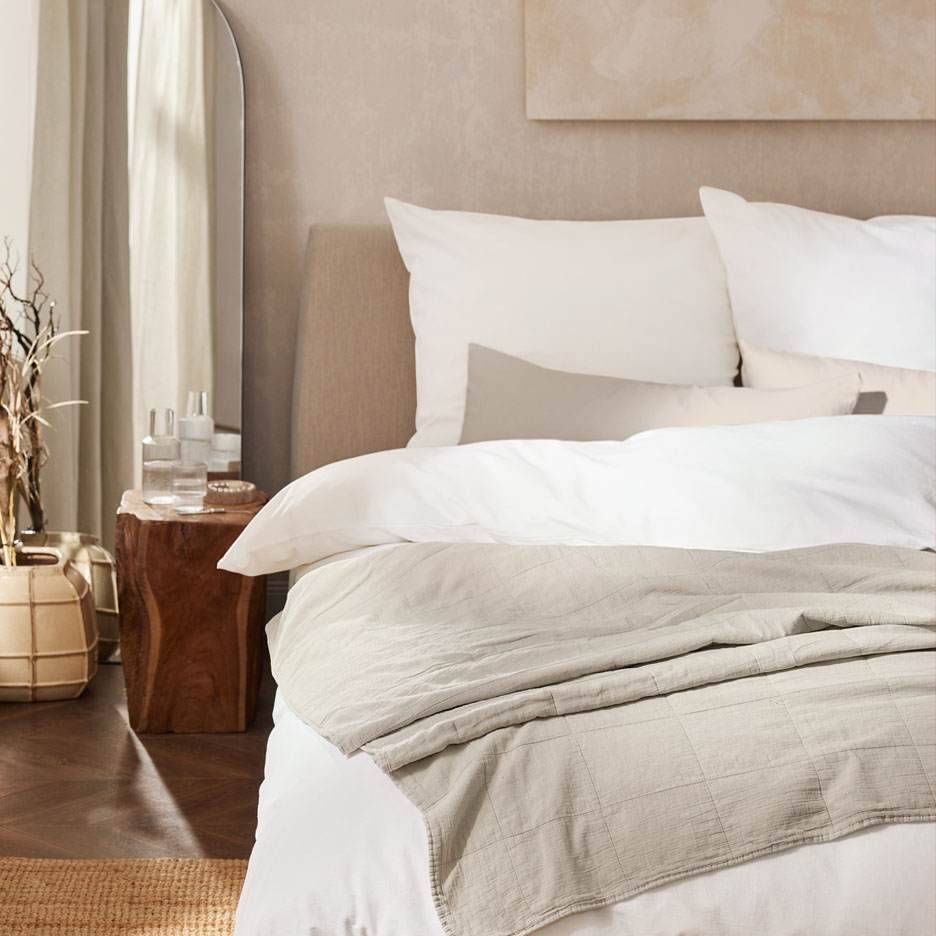
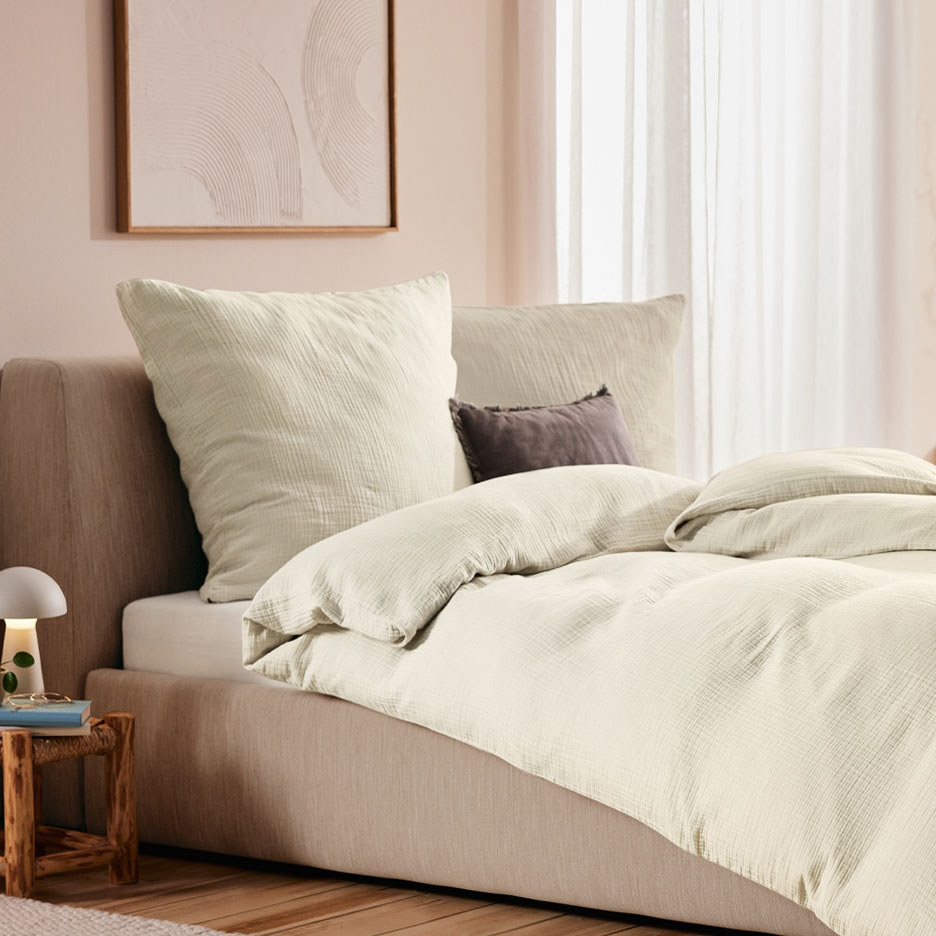
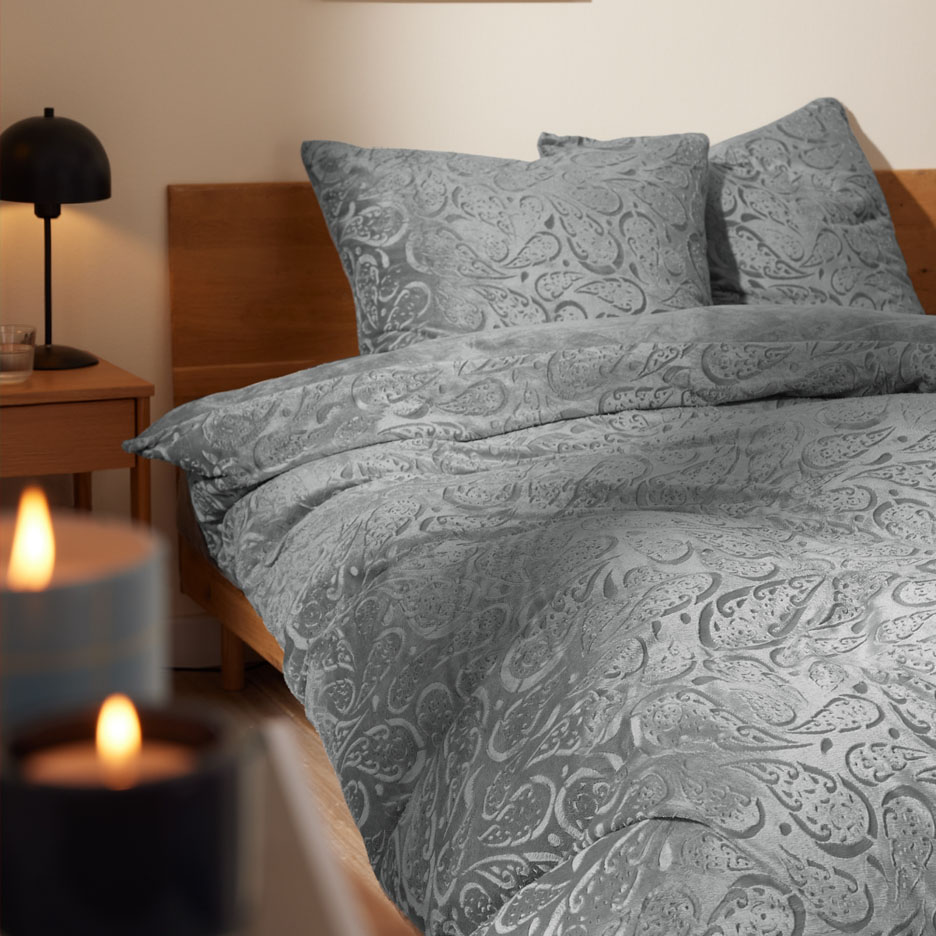
Everyone sleeps differently. Regardless of the season, some people tend to sweat and have a higher body temperature, while others always need warmth. You should consider this when choosing your bedding, just as much as the room climate, your skin's needs, and of course, your personal taste.
If you don't want to switch things up with every season – and you sleep well in any weather – simply choose home textiles made from all-round materials like satin or renforcé.
Renforcé bedding is particularly popular as a cotton option, being lightweight, smooth, and highly moisture-absorbent. This makes it not only the perfect bedding for summer, but also a great year-round choice.
Which bedding for summer?
Summer bedding should wick moisture away from your body and give you a cozy night's sleep without overheating. This works best with:
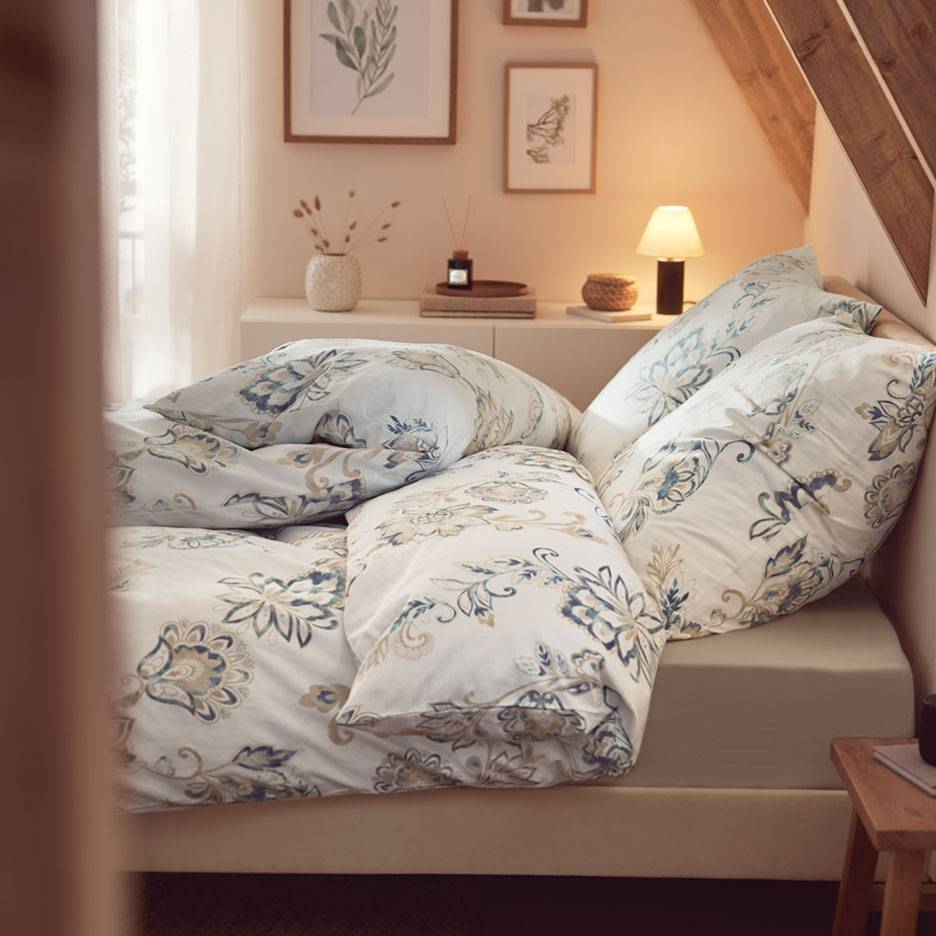 Satin Bedding Set
Satin bedding is more than just a luxurious eye-catcher. Its dense weave, crafted from premium materials, creates an extra-smooth surface that feels incredibly soft against your skin. Plus, satin is wonderfully breathable.
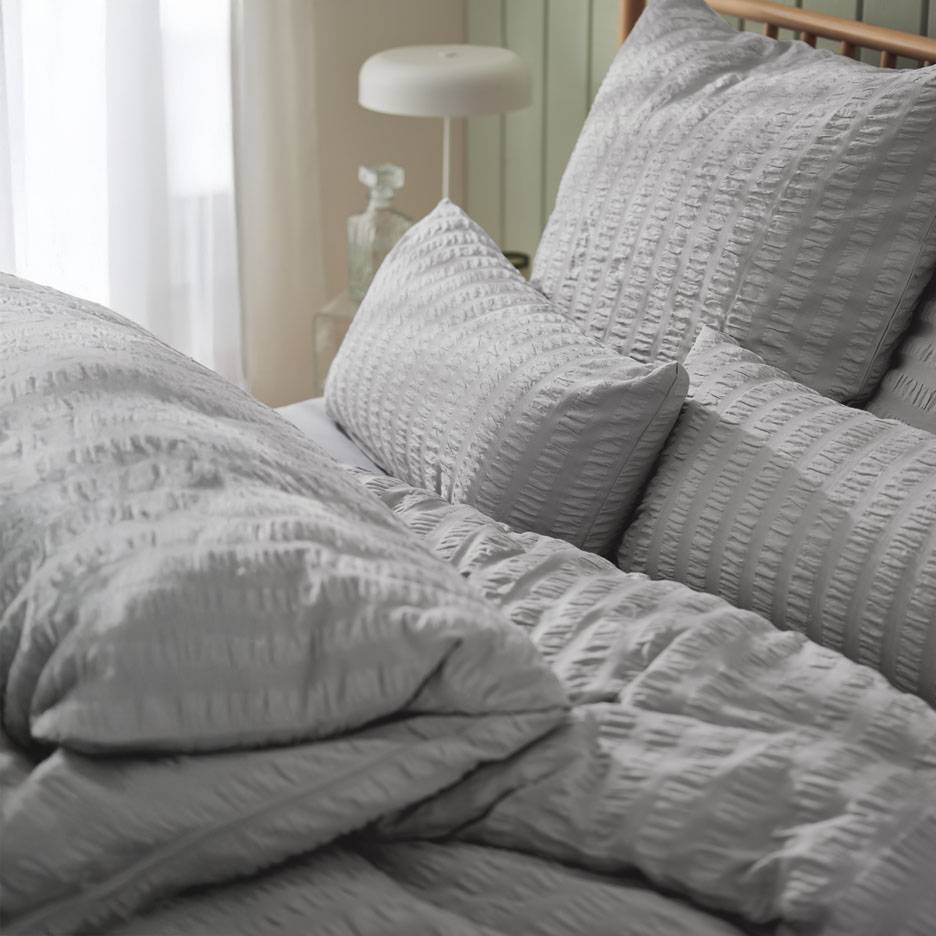 Seersucker Bedding Set
The signature puckered texture of seersucker is more than just stylish. This unique weave allows air to circulate freely, keeping your bedding feeling exceptionally cool and refreshing.
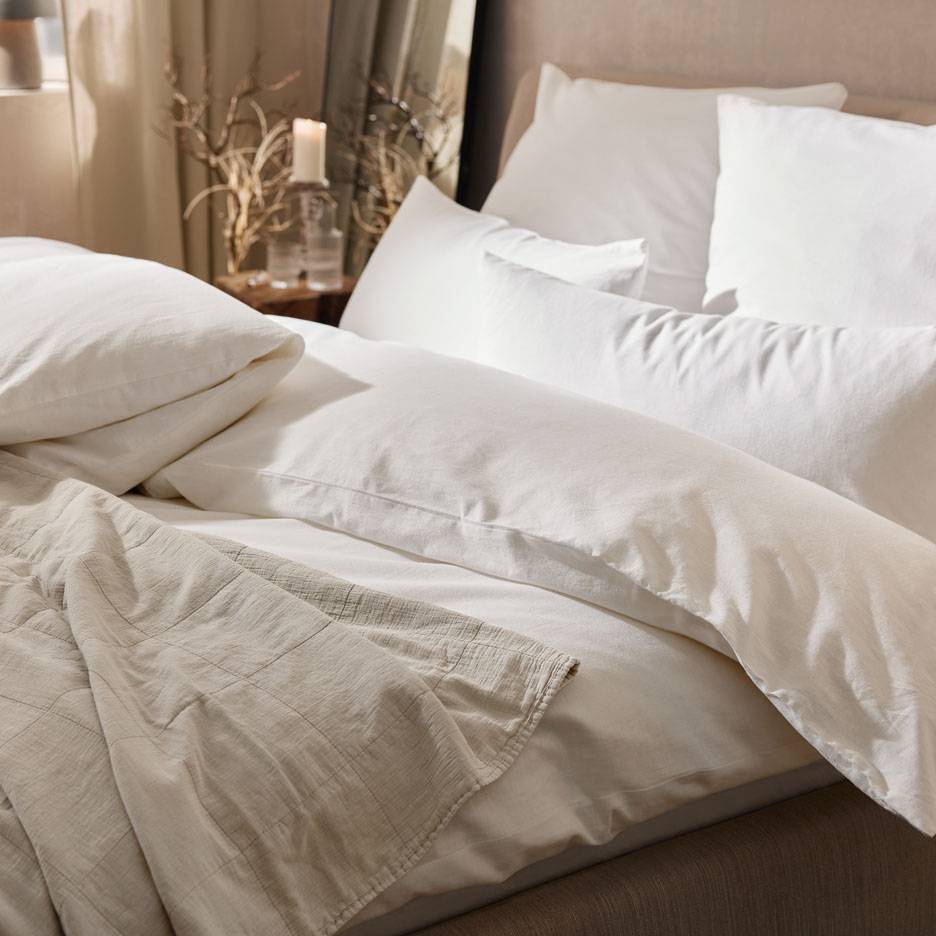 Linen Bedding
This natural fiber is a summer favorite: it doesn't get much more breathable and temperature-regulating than this. Linen bedding absorbs moisture, wicks it away, dries quickly, and helps regulate your body temperature. Plus, it can be washed at high temperatures.
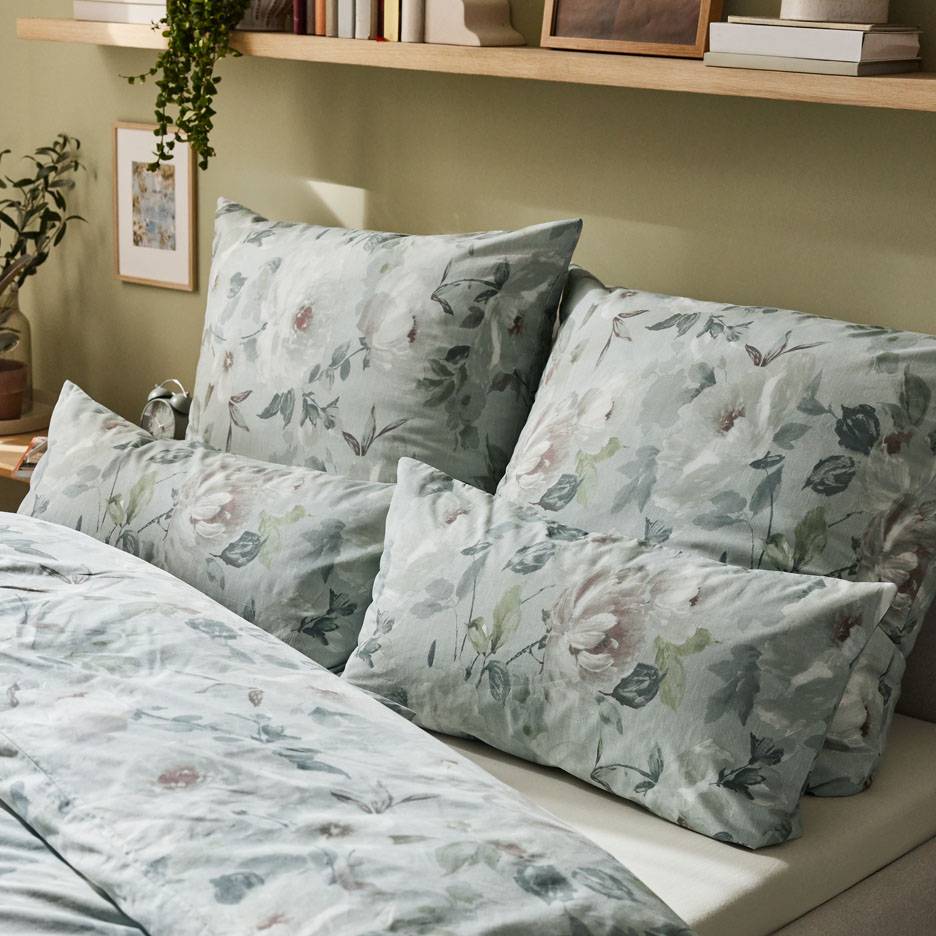 Microfiber Bedding Set
When functional microfibers are woven into lightweight summer fabrics, you get durable, easy-care bedding. This smooth microfiber bedding reliably absorbs moisture and dries quickly.
Which bedding for winter?
Even with the window closed, it can get quite chilly in the winter bedroom. Here, warming fibers help keep you from catching a chill while dreaming. For winter bedding, your best choices are:
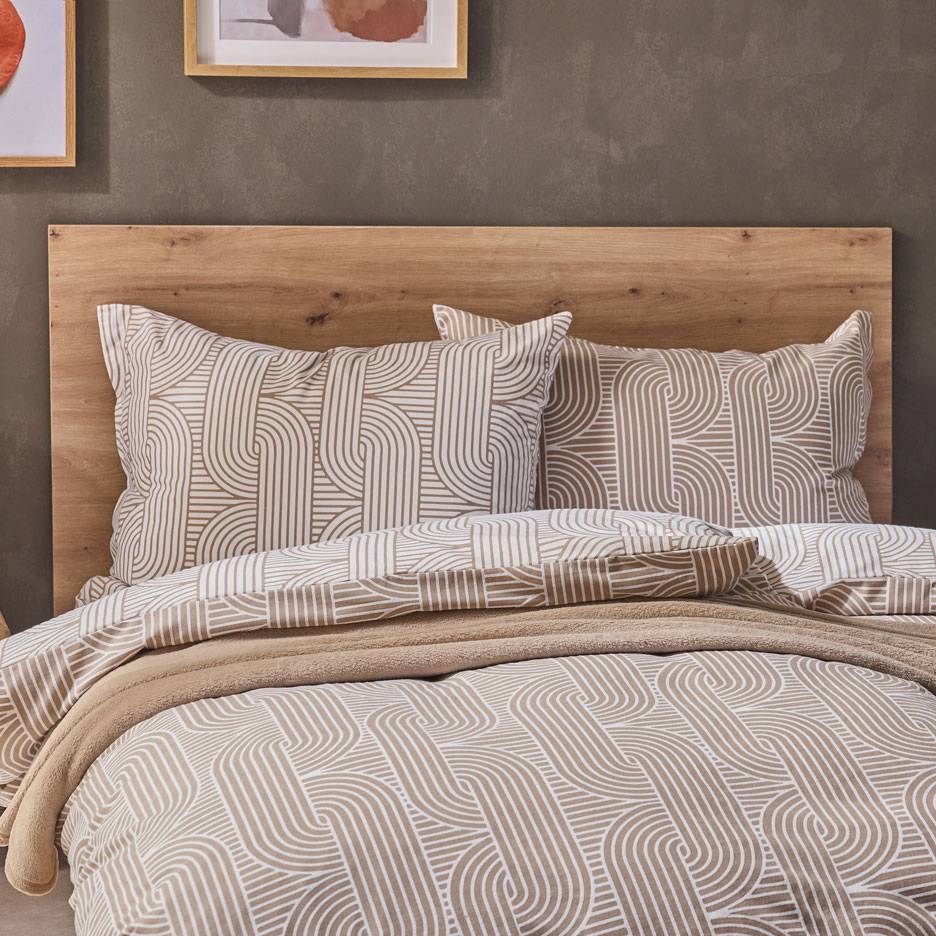 Flannel Bedding
Flannel is a dense cotton fabric that is brushed for extra warmth. Flannel bedding is perfect for keeping you cozy on cold winter nights.
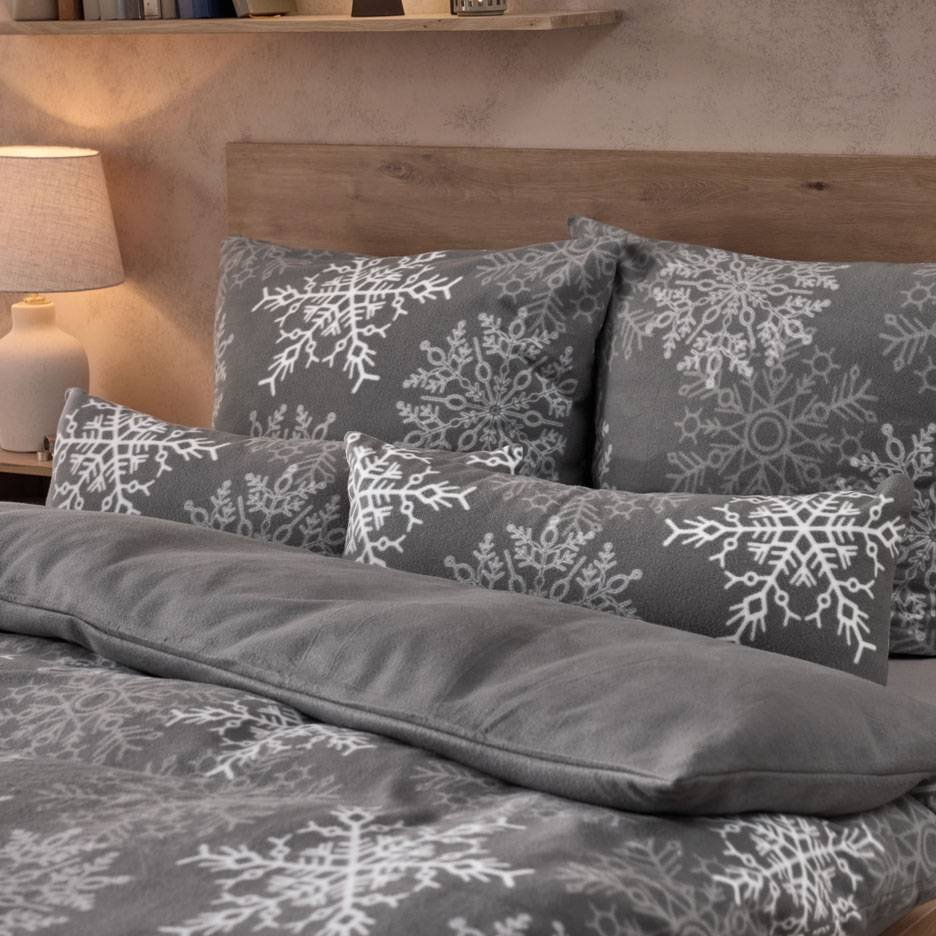 Fleece Bedding Set
Fleece is a cozy, warm all-rounder. The material keeps you warm, wicks away moisture, and is incredibly easy to care for.
Which bedding is allergy-friendly?
Dust or mites can really bother people with allergies. The bed is a typical hotspot, but you can defuse it with the right bedding. When choosing, be sure to look for the following factors:
• particularly tightly woven
• mite-resistant
• moisture-regulating
• washable at high temperatures
• durable and long-lasting
• with a zipper
Microfibers, which are used to make satin bedding, for example, have several advantages in this regard. Their extra-smooth surface allows for particularly tight weaving, and they are also very durable. This means you can wash them more frequently and fight mites or dust with high washing temperatures. High-quality cotton is especially suitable for regulating moisture and making the sleeping environment as allergen-unfriendly as possible.
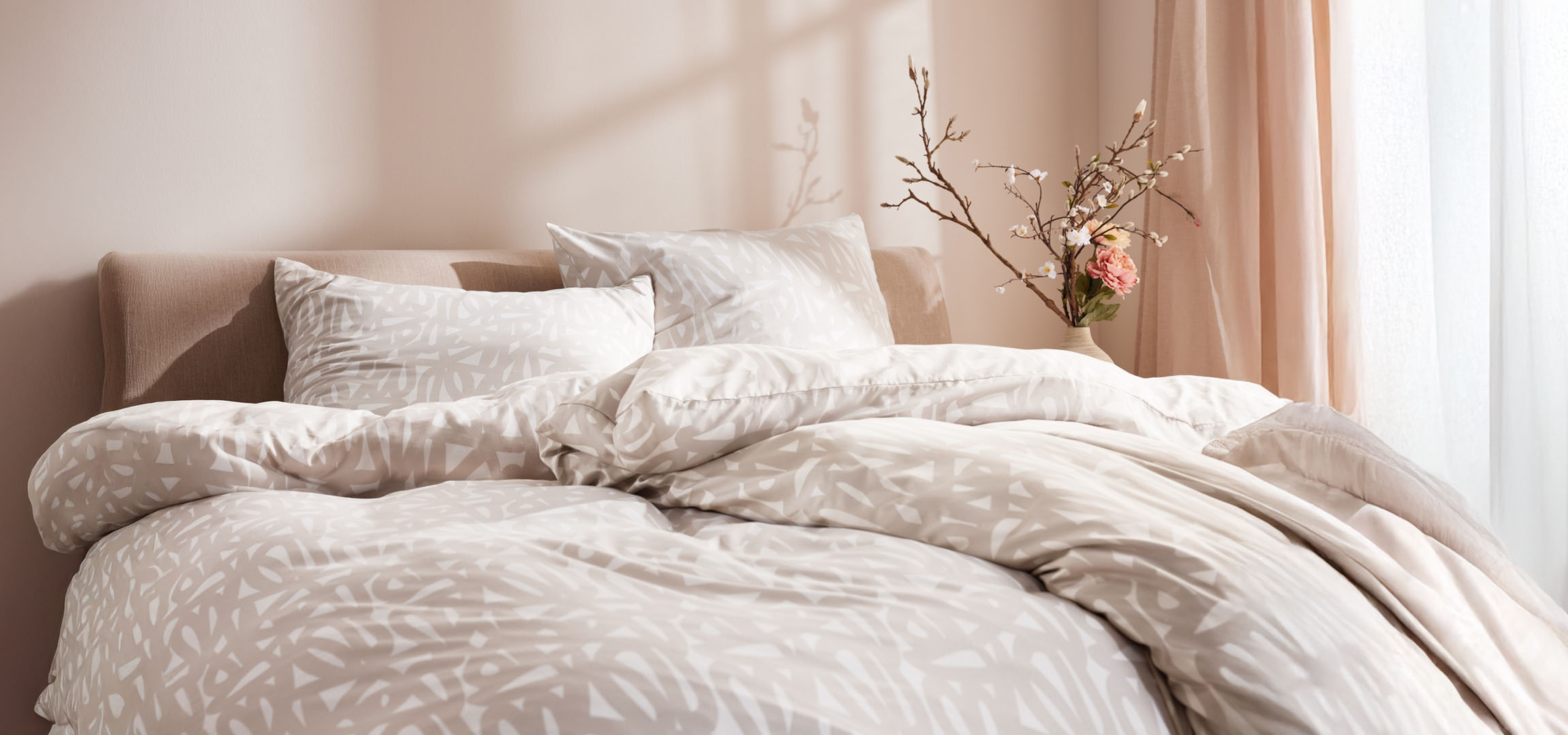
Bedding Sizes: What You Need to Know
Comforters, pillows, and bed sheets should form a perfect trio. With the right size, your comforter and pillow will stay perfectly in place inside their covers, without slipping or bunching up in the wrong spots. The pillowcase in a Lidl bedding set always measures 31.5 in. x 31.5 in. You make your choice based on the comforter size:
- Bedding 53.1 x 78.7 inches – this standard size for comforters is the most common and is ideal for both adult and kids' bedding.
- Bedding 61 x 86.6 inches – this oversized option is perfect for anyone looking for a little extra cozy comfort from their comforter.
- Bedding 78.7 x 86.6 inches – want to cuddle up close or benefit from each other's body heat? The king-size comforter is ideal for this.
Tip: The right comforter length depends on your height. It should be at least 7.87 inches longer than you are. For heights up to 1.80 meters (approx. 5'11"), a 78.7 inches long comforter is perfectly adequate. If you are taller, it's best to opt for a 86.6 inches comforter.
Washing bedding: What do I need to look out for?
To make sure you always feel comfortable in your bed, you should wash and care for your bedding regularly. Always check the care label on your laundry and keep a few tips in mind:
- Wash new bedding before using it for the first time.
- Turn the bedding inside out and close any button plackets or zippers.
- Wash cotton bedding at 140 °F, or at 194 °F for allergies.
- Microfiber bedding gets hygienically clean at just 104 °F.
- Whether your bedding can go in the dryer depends on the material – please check the care instructions.