Buying a Mattress Made Easy: How to Sleep Better
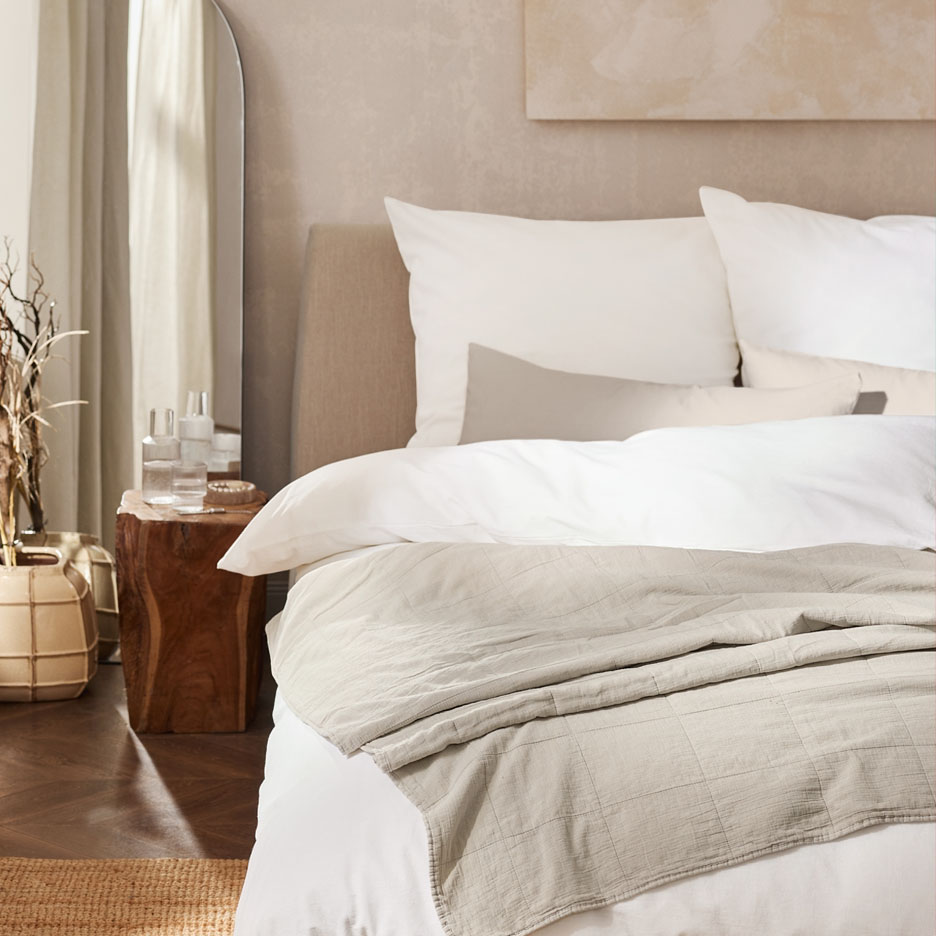
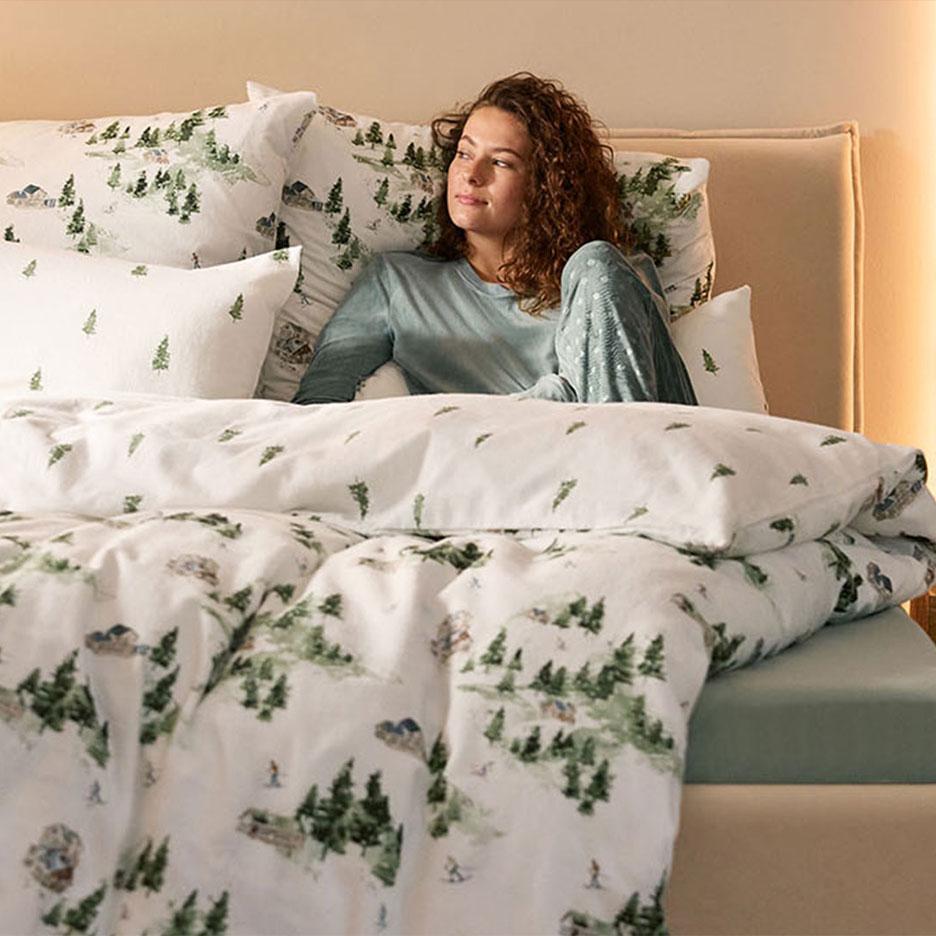
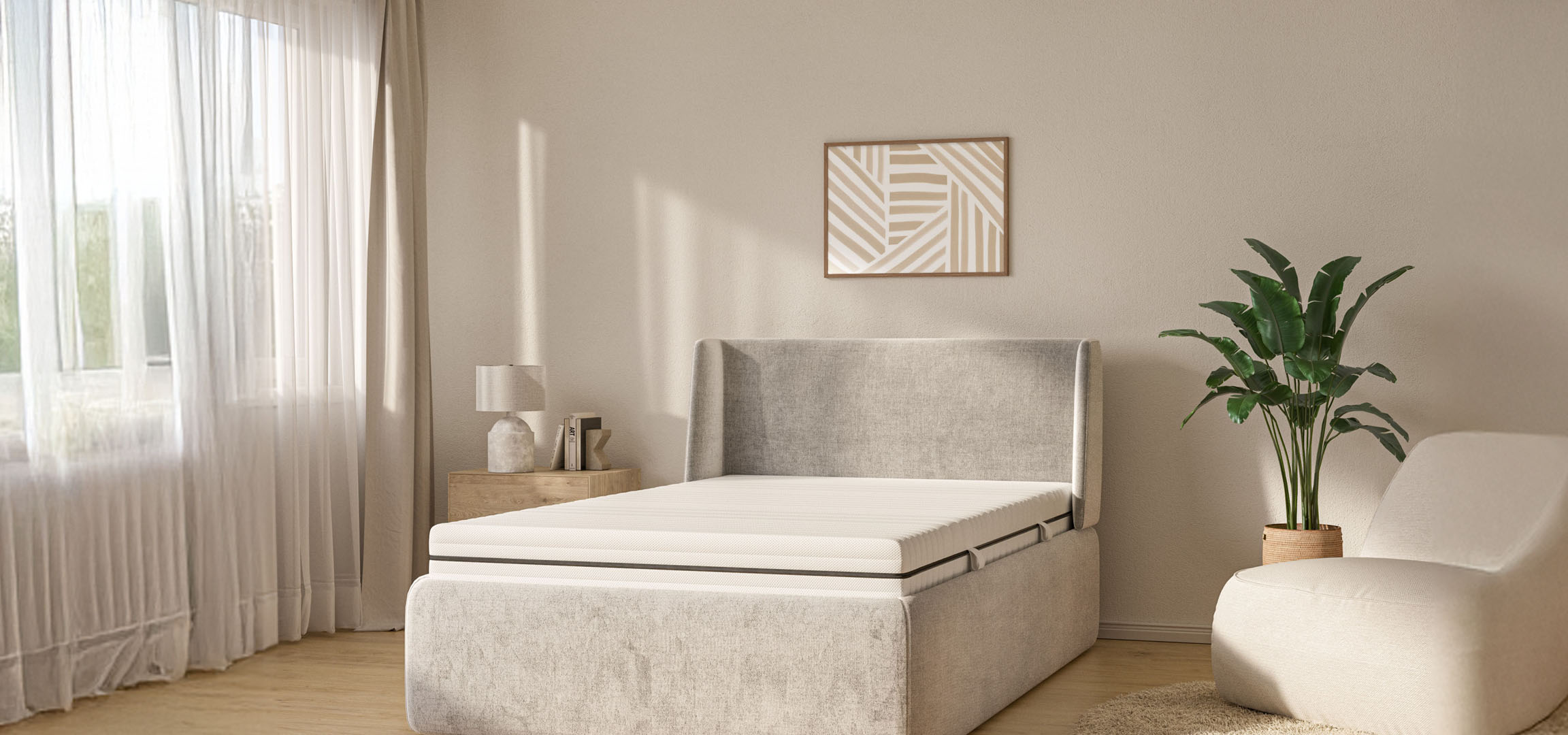
To fall asleep quickly and wake up feeling refreshed the next morning, a cozy bedroom is absolutely essential. A snuggly blanket, pleasantly soft bedding, and the right pillow are without a doubt important sleep companions. But the foundation for a restful night is and remains a high-quality slatted frame combined with a good, matching mattress.
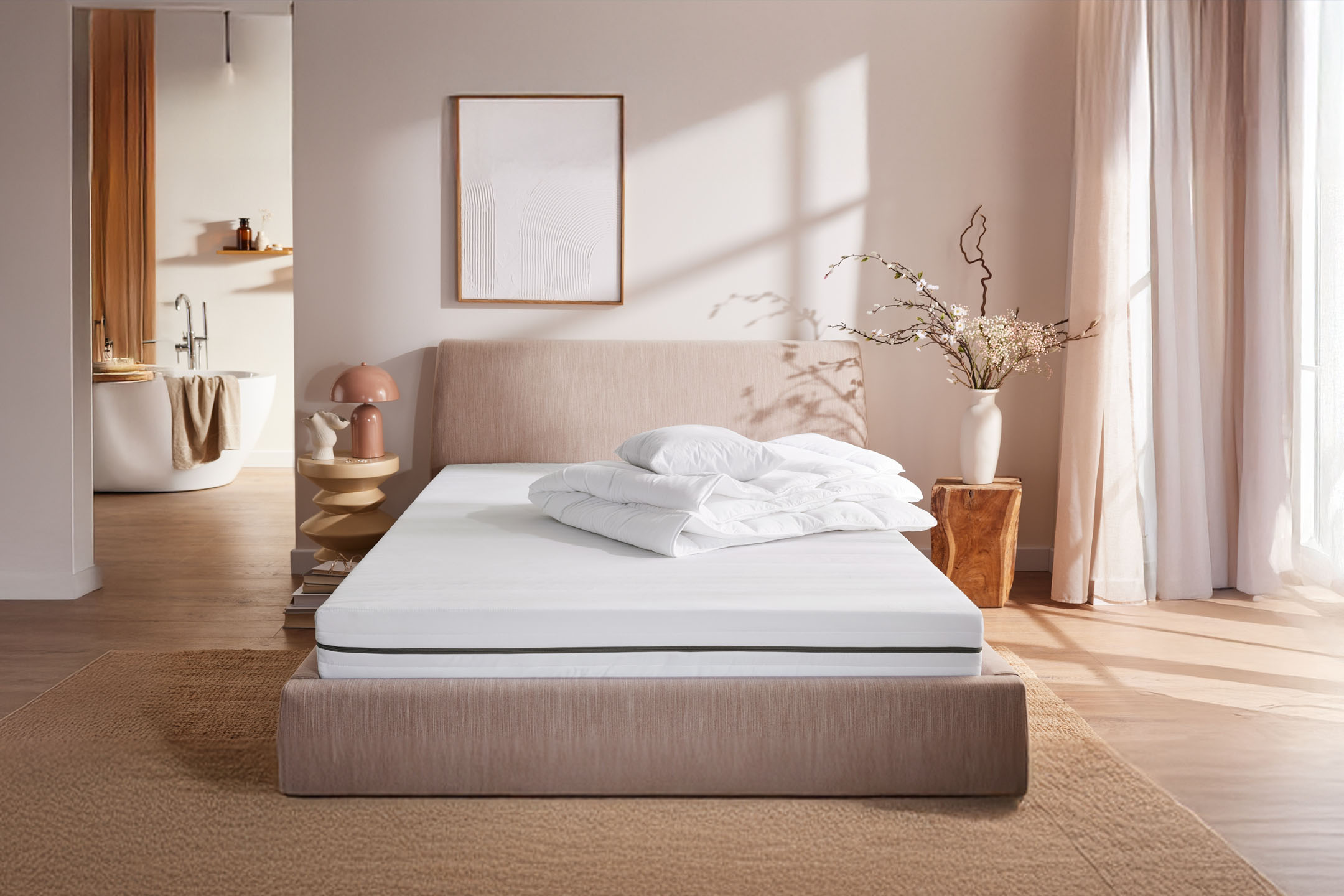
Mattress Sizes: Find the Perfect Fit for Your Sleep
With the right mattress size, nothing stands in the way of a restful night's sleep. Of course, choosing the right mattress size primarily depends on your bed frame. So don't forget to measure your frame before buying a mattress. From a compact 90 x 200 cm mattress for single sleepers to a luxurious 200 x 200 cm option for everyone who likes to spread out while sleeping.
Single Mattresses
- 90 x 200 cm Mattresses: The standard size in single mattresses; also perfectly suited as kids' mattresses, as well as for teens and adult single sleepers.
- 100 x 200 cm Mattresses: A specialty mattress size; ideal for anyone who needs a little extra space for a relaxing night's sleep.
Double Mattresses
- 140 x 200 cm Mattresses: Standard size for double beds; perfect for couples who love to snuggle, but also for solo sleepers who like to starfish.
- 160 x 200 cm Mattresses: Fits queen-size beds; just the right choice for anyone who appreciates the comfort of a larger bed but doesn't want it to take over the entire bedroom.
- 180 x 200 cm Mattresses: King-size; couples who value comfort and plenty of space will feel right at home on this mattress.
- 200 x 200 cm Mattresses: The ultimate surface for luxurious sleeping comfort; great for families who love to cuddle up together in the morning.
By the way: To match your new mattress, you can also buy toppers, mattress protectors and fitted sheets in the right size for your mattress, as well as other stylish and functional home textiles for your bedroom.
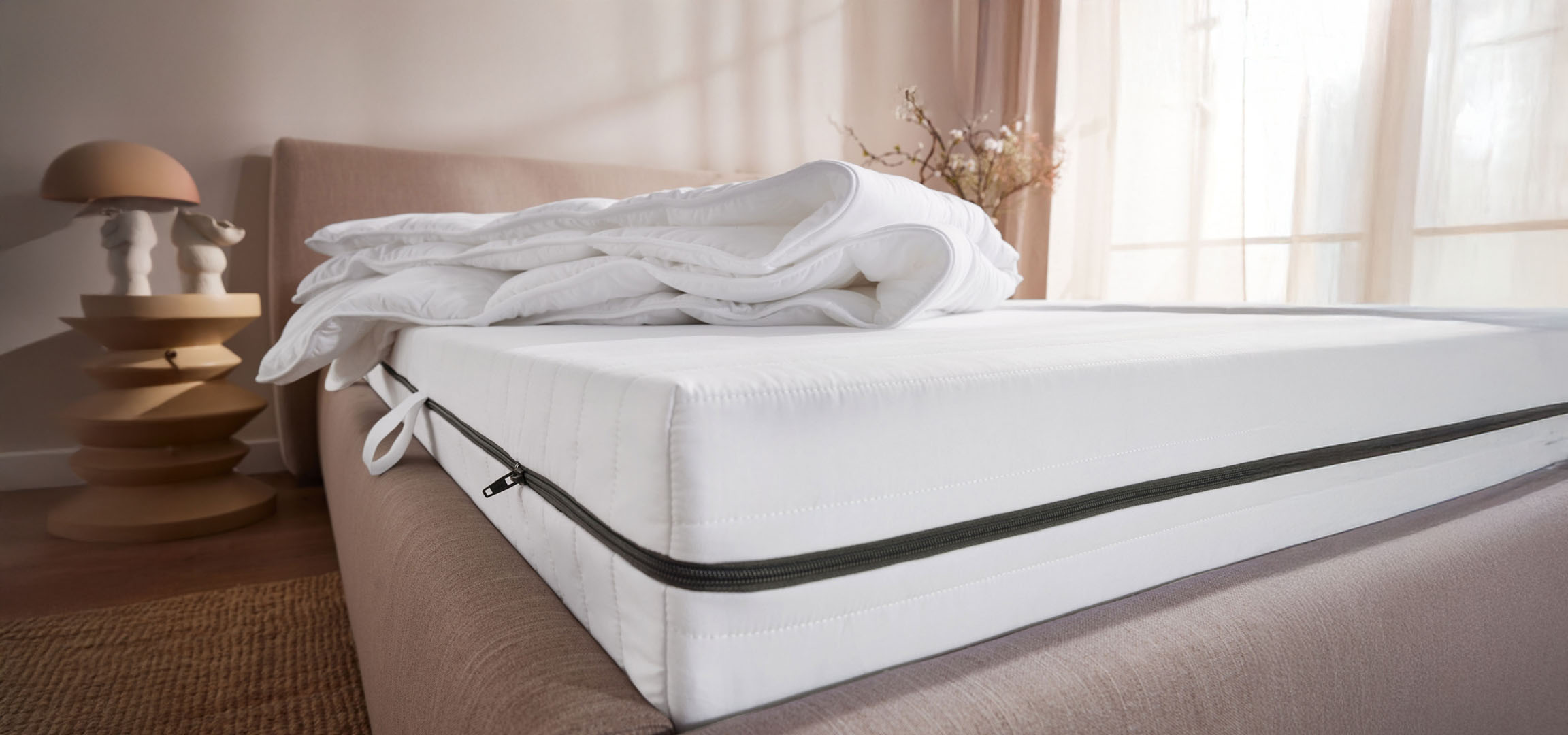
The Right Mattress Firmness Level – Which One is Best for You?
Which mattress is right for me? What is better – a hard or soft mattress for back pain? Which one should I choose, H2 or H3? Choosing the optimal firmness level can be a challenge, as it ultimately determines how comfortably you lie. If you are prone to back pain, it is even more important to choose the right firmness level when buying a mattress.
As a rule of thumb, mattress firmness should be adjusted to body weight and height: the heavier you are, the firmer the mattress should be.
Firmness level | Weight | Target group | Features | Notes |
|---|---|---|---|---|
H1 | up to 130 lbs | Adults with low body weight or children | extra-soft feel, gentle support, contours well to the body | too soft for people with back pain |
H2 | 130 - 175 lbs | suitable for most sleeper types and body weights | balanced mix of comfort and body support | often a great choice for people with occasional back pain |
H3 | 175 - 240 lbs | good for individuals with average to higher body weight | strong body support, keeps the spine aligned straight | frequently recommended for people with chronic back pain |
H4 | 240 - 330 lbs | ideal mattress for heavier individuals | very firm and suitable as an orthopedic mattress for people with special needs | also suitable for couples if the sleeping surface is small (e.g., 54 x 75 in) |
H5 | over 330 lbs | designed for individuals with higher body weight | see above | see above |
Mattress comfort zones
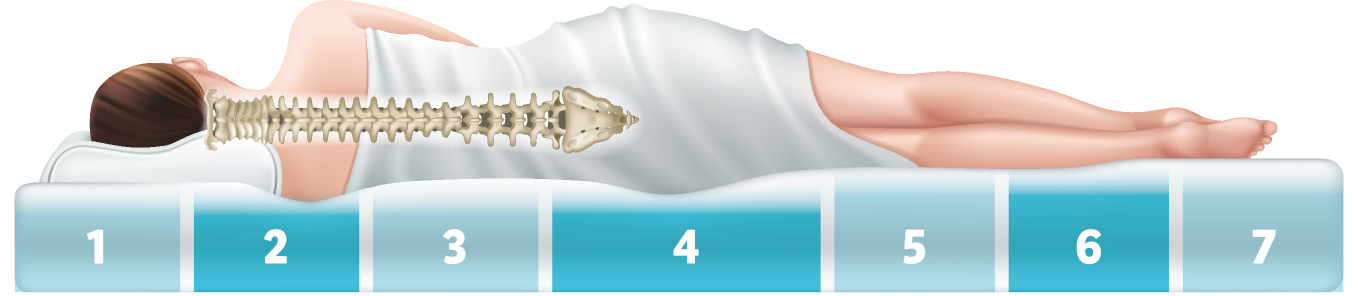
What were those comfort zones again? That's right, the areas in a mattress that are designed differently so that they provide optimal support for different body regions. Actually, comfort zones are not a marketing gimmick – they serve a real purpose. Our shoulder and pelvic areas are often softer, while the lumbar area is firmer. The comfort zones support these areas accordingly, which in turn promotes an ergonomic sleeping position and can prevent back problems.
- 5-zone mattresses: Simple but effective. 5-zone mattresses offer good basic support and are often a bit more budget-friendly.
- 7-zone mattresses: The most common type and suitable for most people. They adapt well to the body and are highly comfortable.
- 9-zone mattresses: Stand out with maximum adaptability. Particularly suitable for people with special orthopedic needs or pain.
Buy a Mattress with Confidence: How to Choose the Perfect Mattress Type for You
Now that you have chosen the right firmness level, it is time to look at the mattress type. Whether you prefer an innerspring or a foam mattress – each model has its own unique benefits that will enhance your sleeping comfort.
Mattress Type | Description | Recommended For |
|---|---|---|
Innerspring Mattresses |
|
|
Cold Foam Mattresses |
|
|
Latex Mattresses |
|
|
Memory Foam Mattresses |
|
|
Gel Mattresses |
|
|
Pocket Spring Mattress |
|
|
Foam Mattress |
|
|
Bonnell Spring Mattress |
|
|
Comfort Foam Mattress |
|
|
Gel Foam Mattress |
|
|
Memory Foam Mattress |
|
|
Hybrid Mattress |
|
|
Hypoallergenic Mattresses
Fortunately, allergy sufferers today have a wide selection of mattresses that do not trigger unpleasant reactions. If you have an allergy, then latex and foam mattresses are the better choice, as they are less prone to dust mites and mold. There are mattresses specifically labeled as "allergy-friendly" – you can choose these with complete peace of mind.
Breathable mattresses are always a great choice. Good air circulation prevents the growth of mold and the buildup of allergens. Also, look out for mattress covers that are hypoallergenic and can be washed at high temperatures. This helps to minimize allergens such as dust mites.
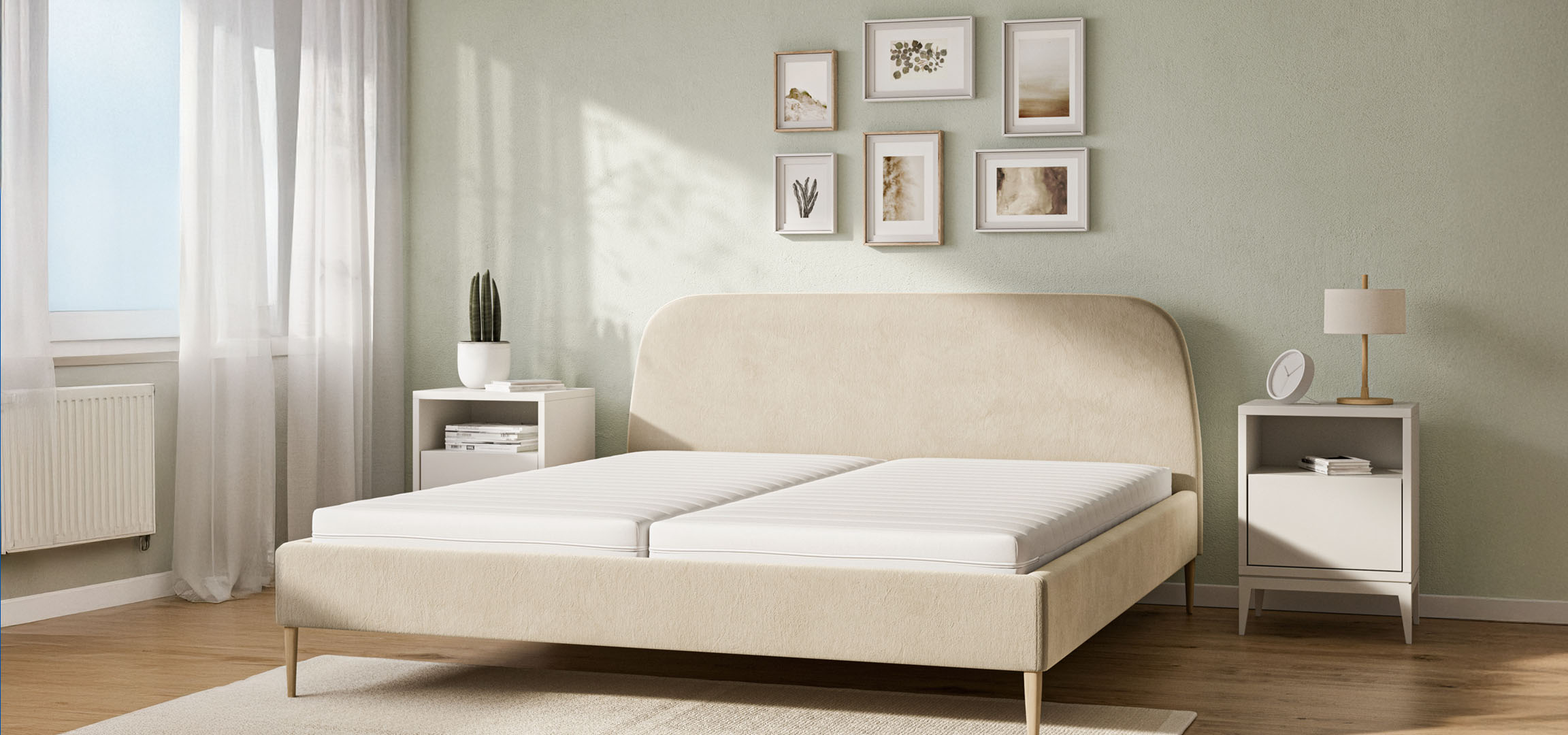
The perfect mattress for your sleep style
Whether you are a side sleeper, back sleeper, or stomach sleeper – here we show you how to choose the right firmness level when buying a mattress based on your sleeping style:
Side Sleeper
- A mattress for side sleepers must contour well to the body to prevent pressure points on the shoulders and hips. A softer to medium-firm mattress, depending on body weight, is often the best choice here.
- Recommended firmness level: H1 to H3
- Suitable mattress types: Memory foam mattresses, latex mattresses, 7-zone mattresses
Back Sleeper
- Back sleepers need a mattress that provides good support for the spine while offering sufficient comfort. A medium-firm to firm mattress is ideal in this case.
- Empfohlener Härtegrad: H2 to H4
- Passende Matratzenarten: Innerspring mattresses, latex mattresses, 9-zone mattresses
Stomach Sleeper
- A mattress for stomach sleepers should be firm to extra firm. Those who sleep on their stomach often face the issue of their spine being forced into an unnatural position. A firm mattress provides the necessary support and keeps the spine in a neutral position.
- Empfohlener Härtegrad: H3 to H4
- Passende Matratzenarten: Innerspring mattresses, hybrid mattresses, 9-zone mattresses
Combination Sleeper
- If you toss and turn a lot during sleep and take on various positions, a medium-firm mattress is often the best choice. It offers a great balance of support and comfort for all sleeping positions.
- Empfohlener Härtegrad: H2 to H3
- Passende Matratzenarten: Hybrid mattresses, 7-zone mattresses, latex mattresses
Comfort meets convenience: Versatile mattress for any space
Does a mattress always belong on a bed? Of course not! If you love having family and friends over for overnight visits but don't have a spare bed available, you simply need a guest mattress. To set it up for your visitors with minimal effort, make sure the guest mattress isn't too heavy. If you host overnight guests regularly or even enjoy sleeping on the floor yourself, floor mattresses that offer a good balance of comfort and stability are ideal—such as foam mattresses, latex mattresses, or memory foam mattresses. For long-term sleeping on a floor mattress, good air circulation is crucial for lasting sleep comfort, and a cold foam mattress is perfect for this.
Do you have an RV but no budget for a custom RV mattress? Then opt for a standard foam mattress. It is lightweight, easy to transport, and can even be cut to the right size with a little DIY skill. With a waterproof mattress protector, it can quickly be transformed into an outdoor mattress.
How often should you replace your mattress?
Eventually, even the best mattress reaches the end of its lifespan. But when is the right time to replace it? As a rule of thumb, you should replace your mattress every 7-10 years. Do it sooner if it sags or has lumps, if you wake up in the morning with a headache or backache, or if your allergy symptoms have worsened.
How much does a good mattress cost?
In fact, a comfortable mattress doesn't have to cost a fortune. Great entry-level models are available starting at just 100 to 200 dollars. And at LIDL, you can score some truly amazing deals: many of our mattresses are on sale—so you'll have to act fast and grab yours today!