Learn to Play Padel: Tips for Your Start
Padel is suitable for every level and age, making it the perfect entry-level sport. With a little bit of ball feel, it is easy to learn and is also great for beginners to develop a feel for handling the racket. Thanks to fast-paced rallies and playing in teams, this mix of tennis and squash is extremely fun. What makes padel so special and why you should definitely try this sport is revealed by Lana, Padel Pro and player of the German national team.
What is Padel anyway?
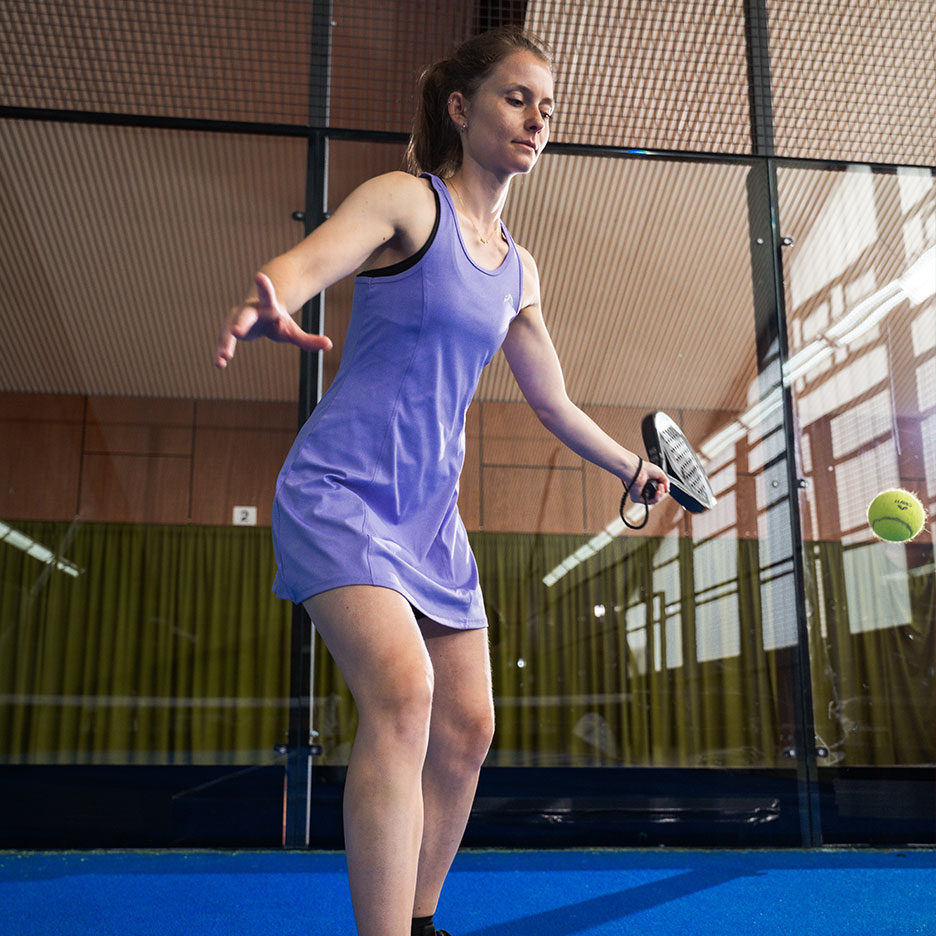
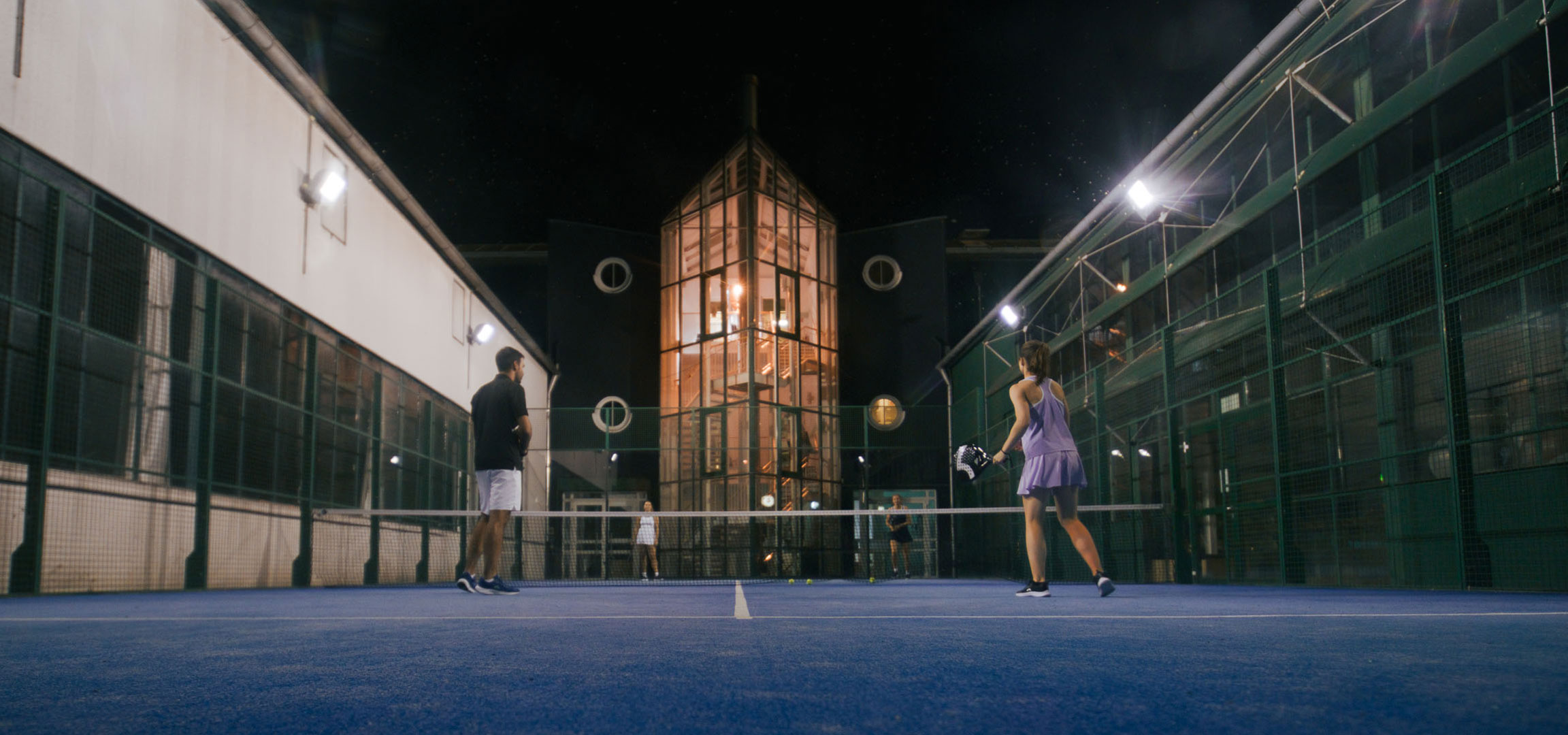
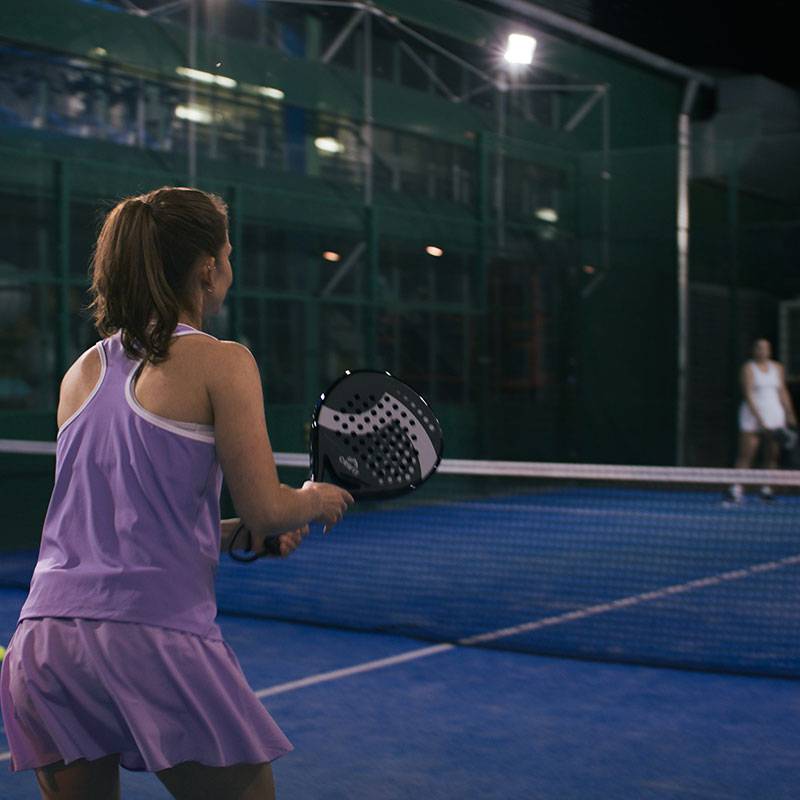
Padel, also known as padel tennis, is a racket sport played in doubles. It is similar to tennis but is played on a smaller court with walls.
What makes it special: The walls can be used in play, allowing you to either return the ball or set up a clever defense. This means padel is not just about skill and technique, but also about strategy. All of this makes the game dynamic, exciting, and beginner-friendly. It's perfect if you want to make quick progress.
What makes Padel so popular?
“Movement is one of the keys to a healthy, fulfilling life for me,” says Lana. “It brings us into the moment, releases happy hormones – and lets us feel ourselves again. Our own body, our own energy, and the connection to others.” That is exactly what she finds in Padel. Because Padel is playful, dynamic, and social – a combination of technique, endurance, coordination, teamwork, and communication. For Lana, Padel means one thing above all: joy of life. Another plus: Padel is good for the soul. “The sport gives me mental strength. It helps to clear my head, relieve stress, and be completely in the moment,” says Lana. No wonder, then, that Padel is becoming more and more popular – for beginners as well as for experienced athletes.
Padel vs. Tennis: Key Differences Explained
Most people know how tennis works: there is a court bounded by lines and a net over which the ball is played. The basic setup and playing technique in padel are similar. The biggest difference is the smaller court size as well as the walls, which can be integrated into play. Additionally, the ball in padel is slightly slower and the padel racket is smaller. Furthermore, while the serve in tennis must be played overhand, in padel it is played from the hip. This makes it much easier for beginners, allowing for exciting rallies after just a short time, even without prior experience.
What you need to play Padel
To start playing Padel, you don't need expensive equipment. To get started, this gear is all you need:
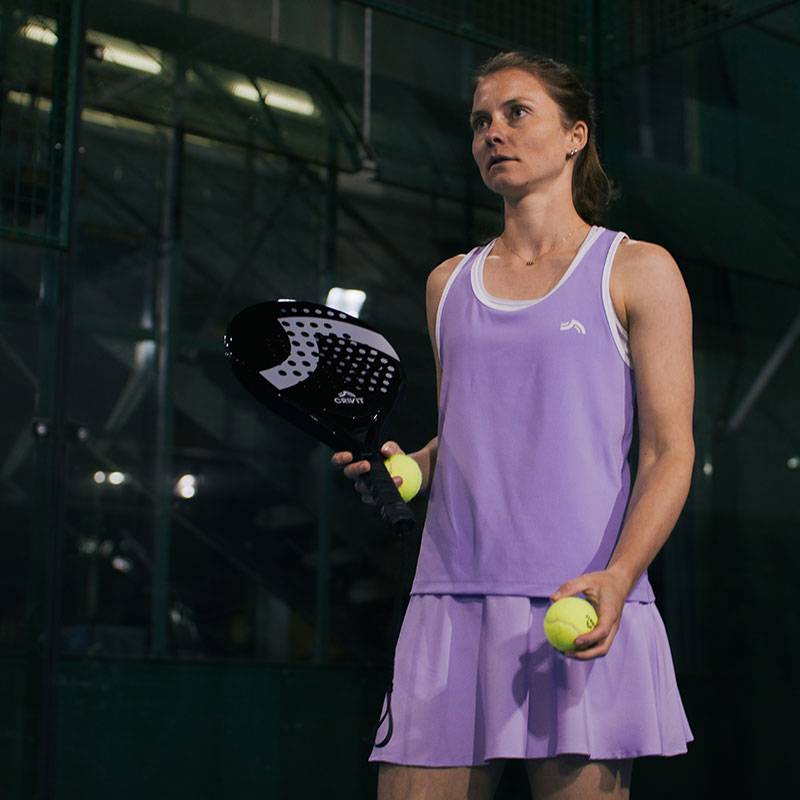
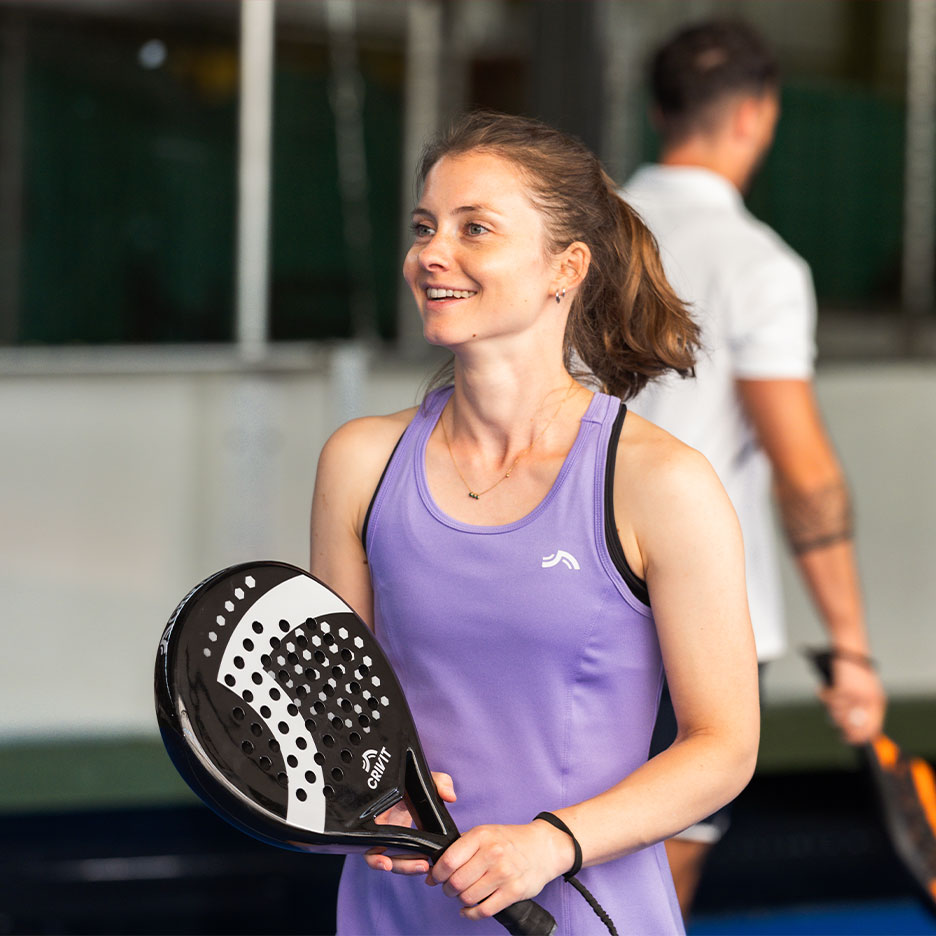
Padel Rackets: The padel racket is compact, lightweight, and—unlike a strung tennis racket—features holes. It is usually made of carbon fiber or fiberglass. Thanks to its design, it is also much easier to control than a tennis racket.
Padel Balls: Padel balls look similar to tennis balls, but they are slightly softer and have less pressure, which slows down the game and makes it easier to control.
Activewear: When it comes to the right activewear for padel, comfort and breathability are key. You will definitely be moving around and working up a sweat, so choosing the right gear is highly recommended.
Padel Shoes: Of course, you do not need specialized padel shoes. A good pair of training shoes is perfectly fine. Just make sure they offer good cushioning and a grippy sole to ensure a solid foothold on sandy artificial turf.
The Rules of Padel
Padel rules are easy to understand. Still, you should know them before your first match. Here is an overview of the most important padel rules:
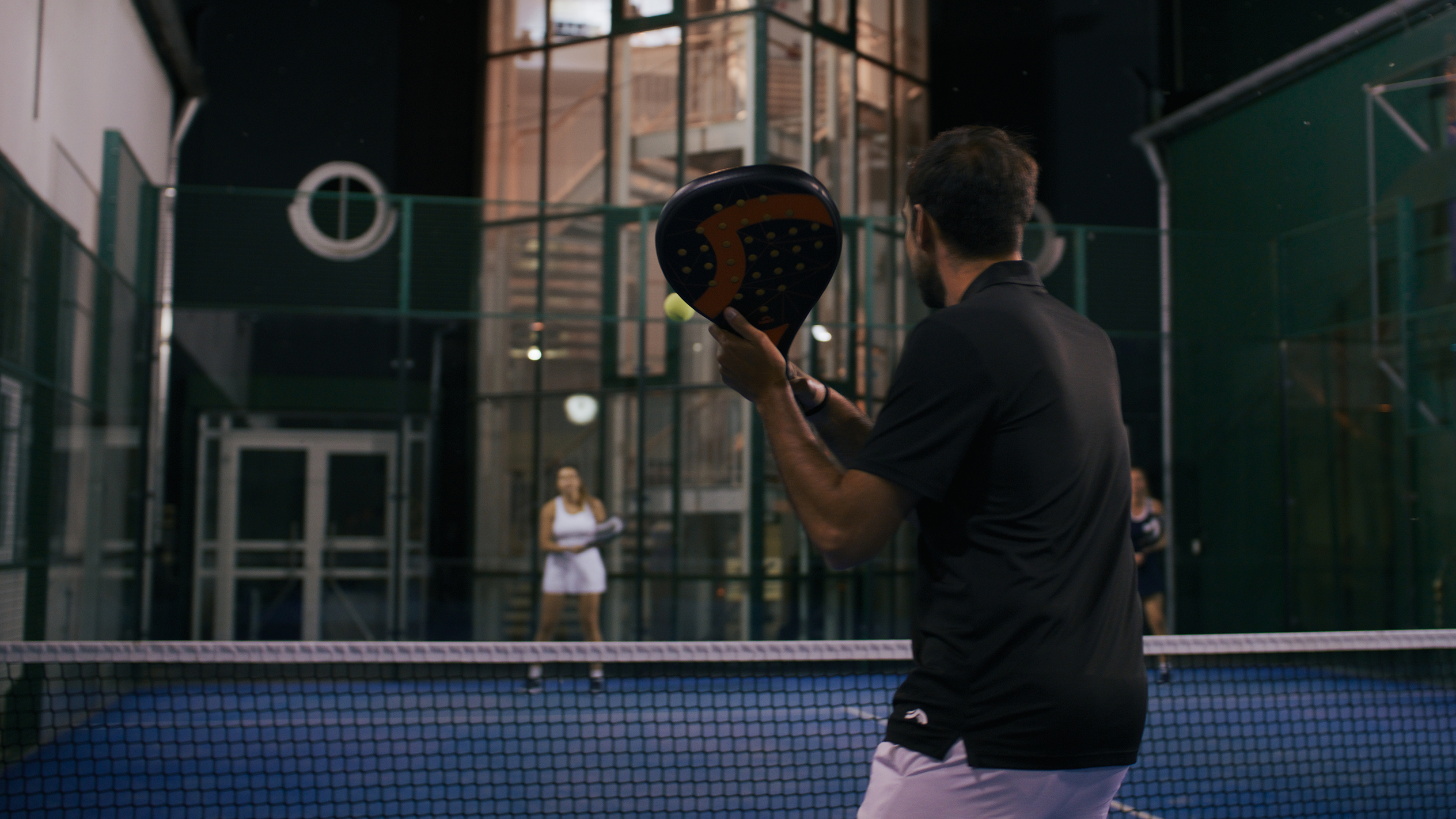
Doubles play: Padel is usually played as doubles, meaning 2 against 2.
Scoring: Scoring is similar to tennis: 15, 30, 40, and game. Typically, 6 games are played. The winner must have a 2-game lead.
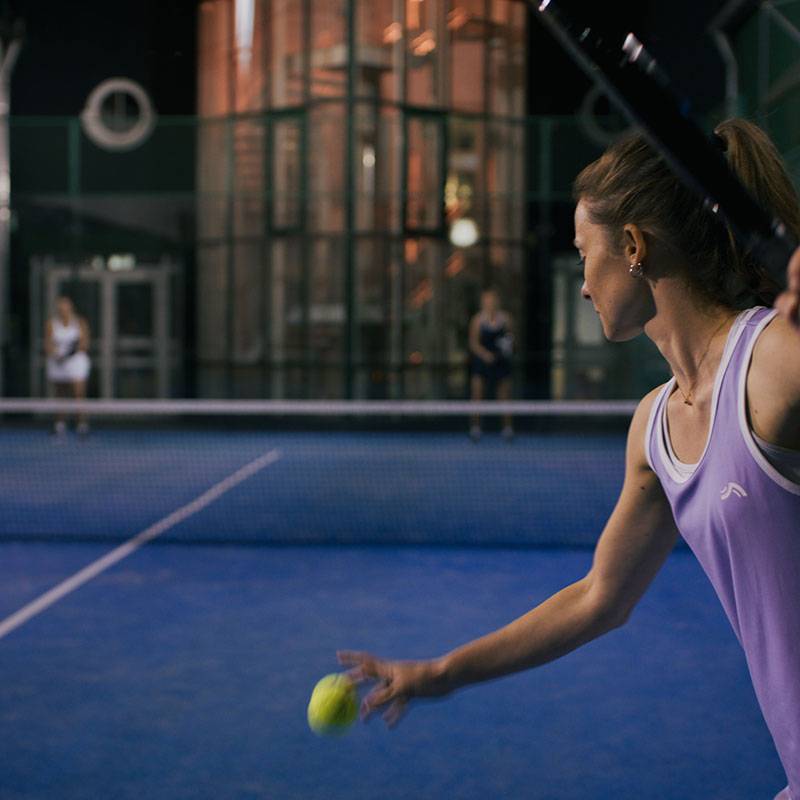
Serving: The serve is made underhand (below the waist) and diagonally into the opponent's service box. The ball must bounce once after the serve before hitting the wall or going out of bounds.
Using the wall: The walls can be incorporated into the game – but they don't have to be. The ball can be played to your opponent either directly off the ground or off the wall. The back walls can also be used.
7 tips to make it easier to start playing padel
To help you make fast progress when learning to play padel, here are the best tips for beginners:
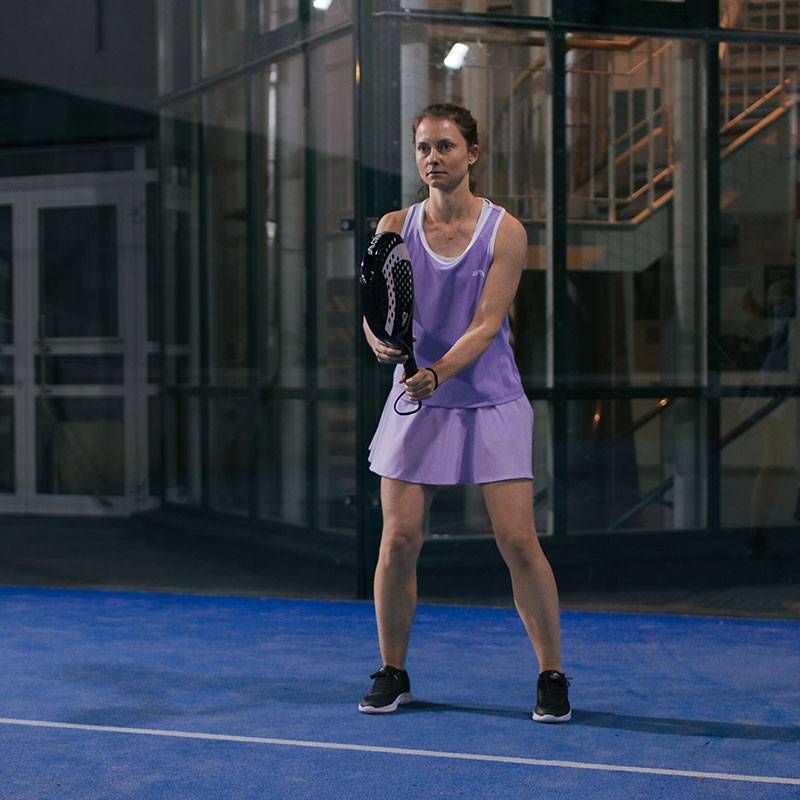
- Start with a beginner's course: Many padel clubs offer introductory sessions or beginner training – where you can learn the basics directly from experienced coaches.
- Watch your positioning: In padel, the right position on the court is crucial. Stand in a relaxed stance, feet about shoulder-width apart, knees slightly bent – ready to move in any direction. Don't stay too close to the net or too far back – finding a good middle ground gives you flexibility.
- Use the wall to your advantage: The wall is your friend – learn how to use it tactically. This not only helps you defensively but also opens up new plays.
- Play calm and controlled: Especially at the beginning, it helps not to put too much power into your shots. The goal is control, not power.
- Train your reflexes: Padel is fast – with a little practice, you'll notice your reaction time improving.
- Communicate with your partner: You are playing doubles – talk to your partner about who is taking which ball. This saves energy and ensures better teamwork.
- Stick with it – fun comes first: The learning curve is steep. Keep at it regularly, and progress (and the next level) will come almost naturally.
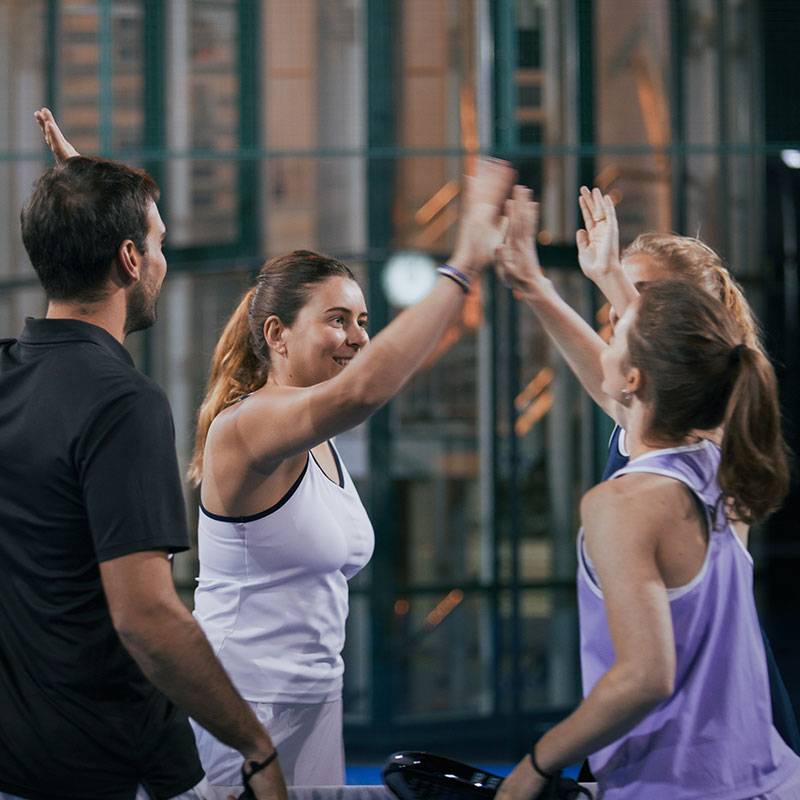
Conclusion: Learning to play padel is simply great fun
Whether you are already active or just looking to get started – padel is the perfect sport to combine fitness, fun, and team spirit. The rules are simple, the game is dynamic, and you can easily get started without any prior experience. And the best part: you barely need any equipment to get right into the action.
So: grab a racket, give it a try – and discover the fun of padel for yourself!
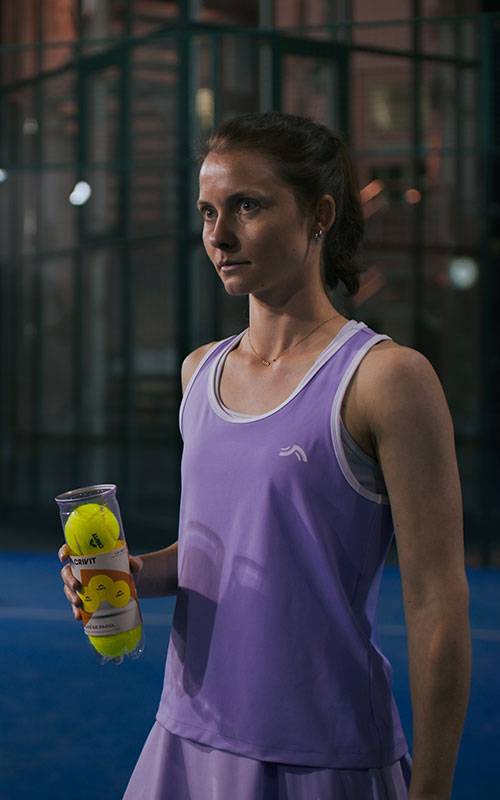
Profile of Padel Expert Lana
Name: Lana Büttner
Age: 33 years old
Profession: Functional Health Coach, Competitive Athlete, National Padel Player
Athletic Qualifications:
- Former tennis player
- National Padel Player for the German National Team
- Holistic training as a Functional Health Coach
What defines Lana: Lana loves guiding people holistically on their journey to better health, well-being, and performance. At the same time, she lives out her passion for padel, training intensively and playing for the German National Padel Team.