Perfect Protection in the Snow: The Layering Principle for Your Ski Wear
The right ski wear is crucial for a successful day on the slopes. The key to optimal comfort, warmth, and performance lies in what is known as layering or the onion principle. This system allows you to adapt flexibly to changing weather conditions and your level of physical activity. Forget thick, bulky sweaters – modern layering ensures that you stay dry, warm, and maximally mobile. Find out here how to properly combine the three layers of ski wear.
Layer by Layer for Ideal Protection: The 3 Layers of Ski Wear
The layering system of ski wear consists of three functional layers. Each layer serves a specific purpose, working together to guarantee optimal protection against the cold, wind, and wet weather.
 The Base Layer
Moisture-wicking and comfortable
 (2) The insulating layer - Mid Layer
Retains and regulates heat
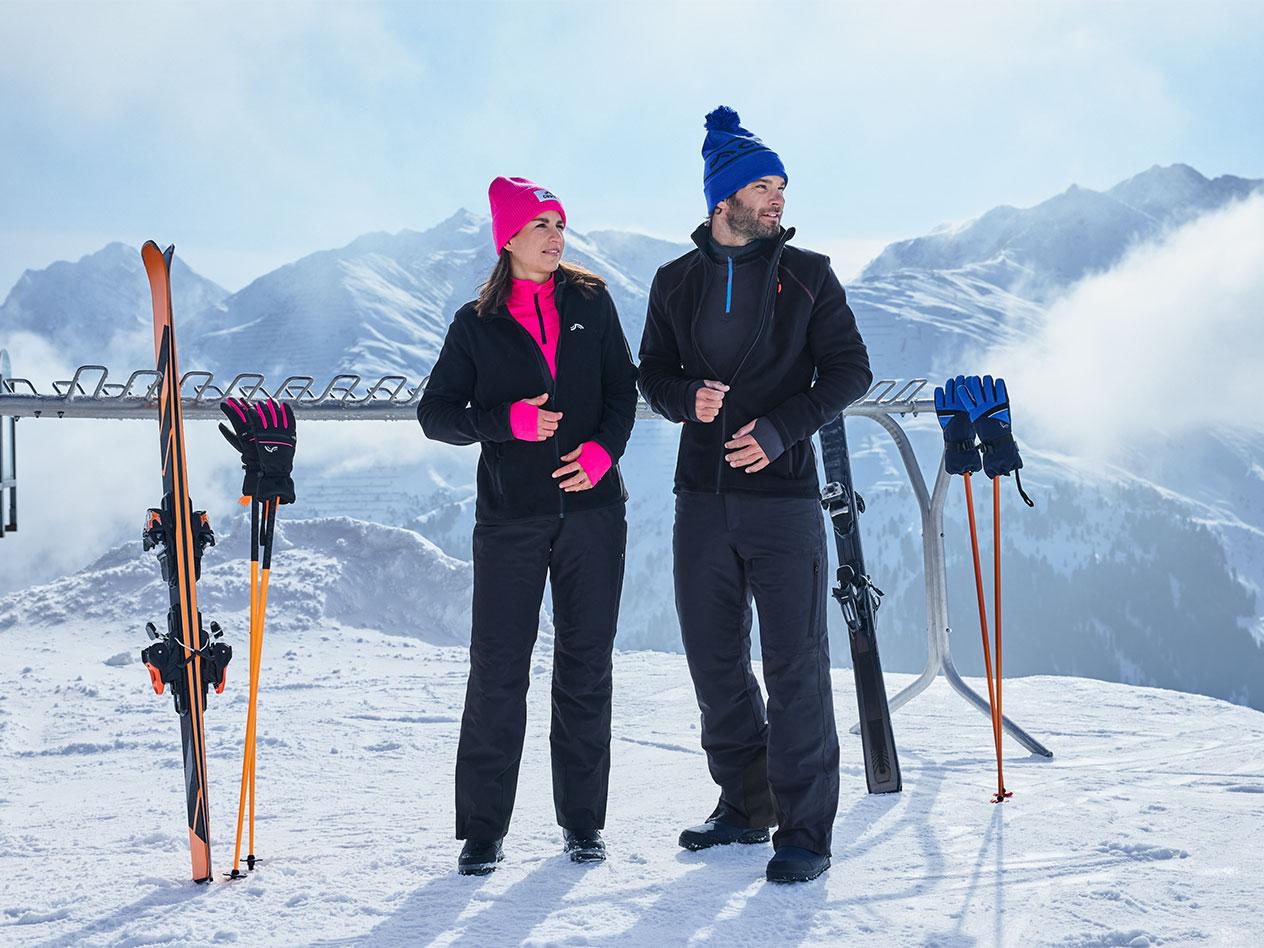 (3) The Weather Protection Layer - Shell Layer.
Wind and weather protection
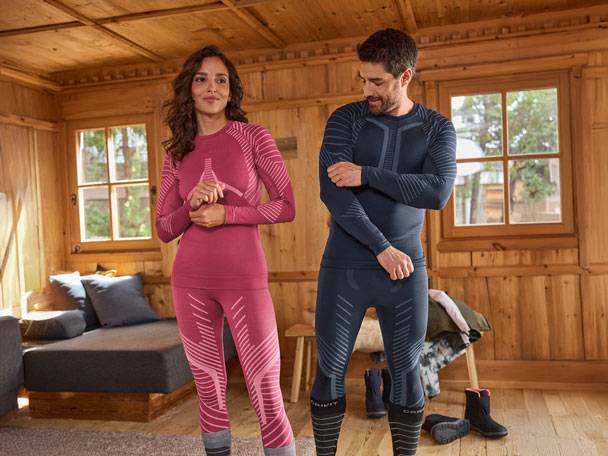
1. The Base Layer: Keeps you dry
● Function: Moisture management – instantly wicks sweat away from the skin.
● Material: Functional underwear made of merino wool or synthetics (polyester).
● Important: No cotton! Cotton traps moisture and causes you to cool down quickly
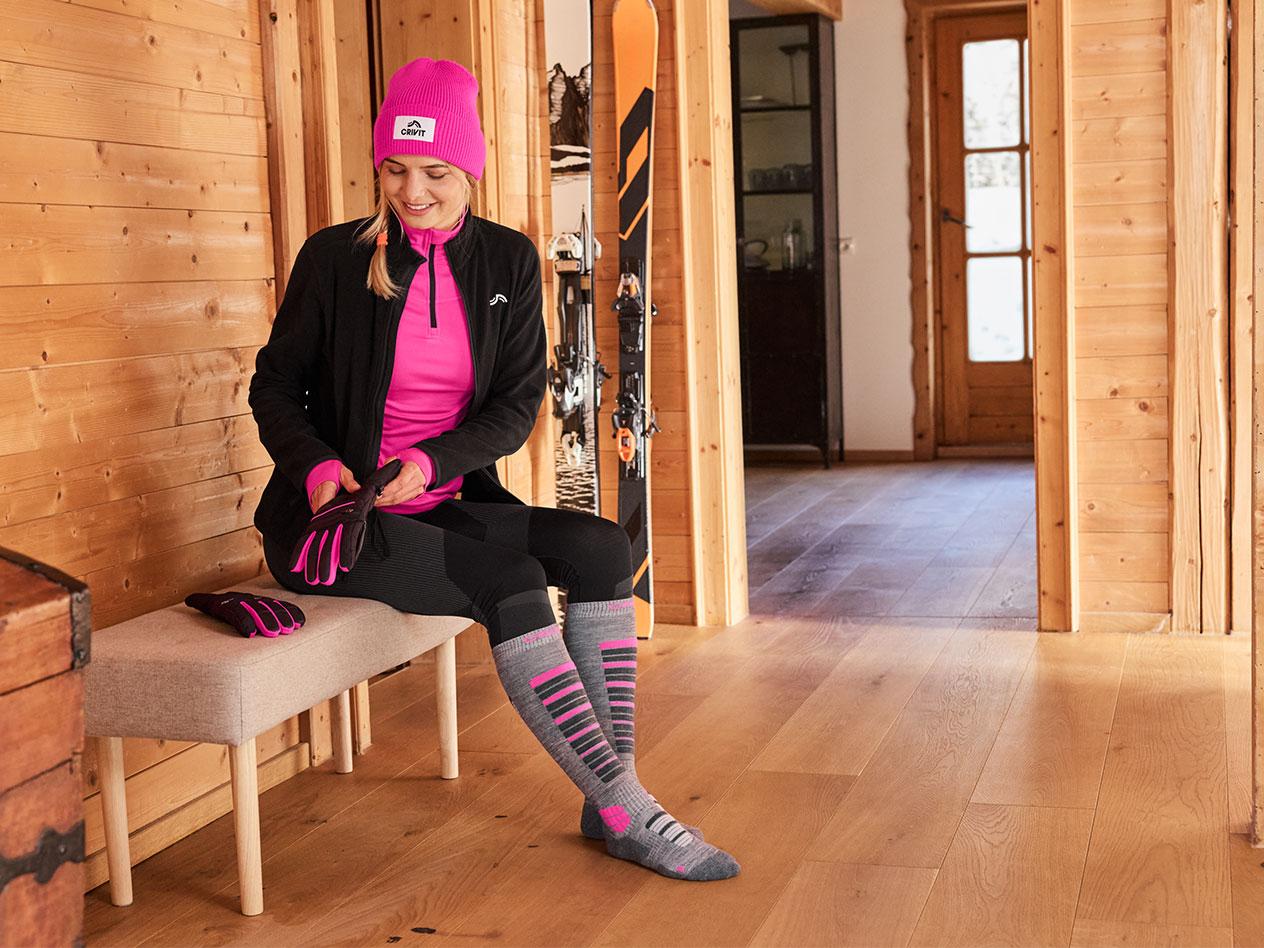
2. The Insulation Layer (Mid Layer): Keeps you warm
● Function: Heat retention – traps body heat through trapped air.
● Material: Fleece, power-stretch, or thin synthetic fiber jackets (e.g., THERMOLITE).
● Tip: A zipper allows for quick temperature regulation.
3. The Weather Protection Layer (Shell Layer): Keeps out wind and moisture
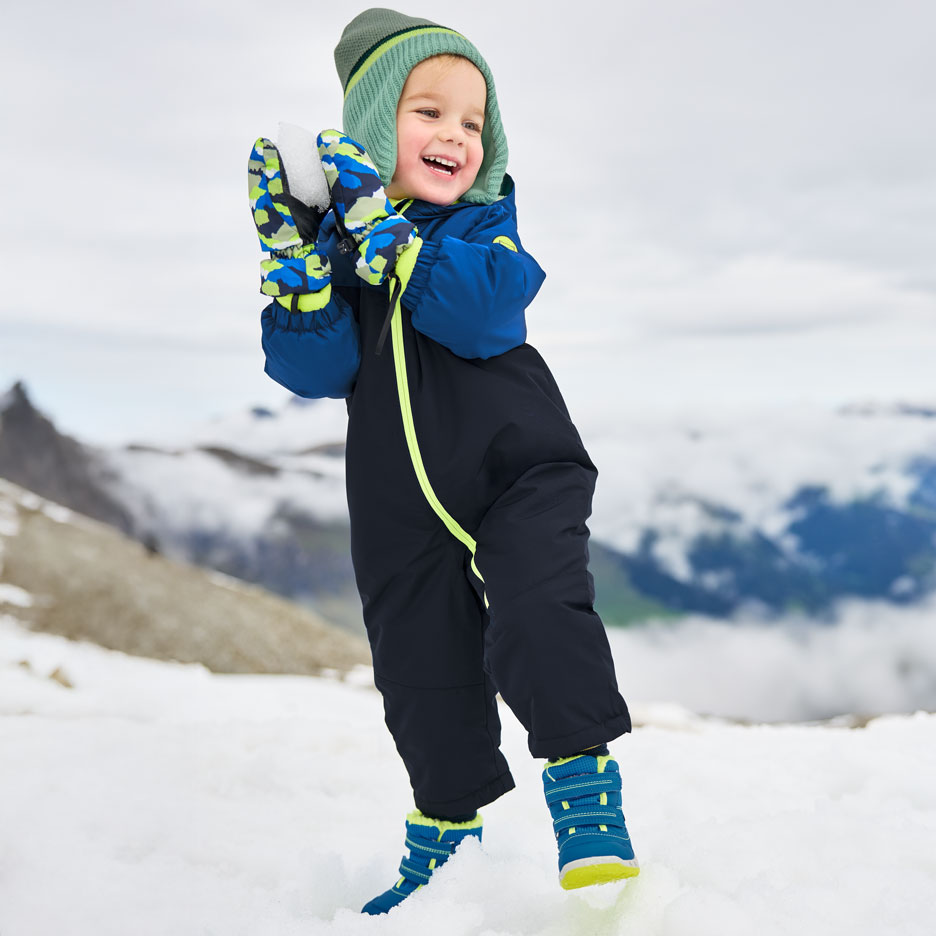
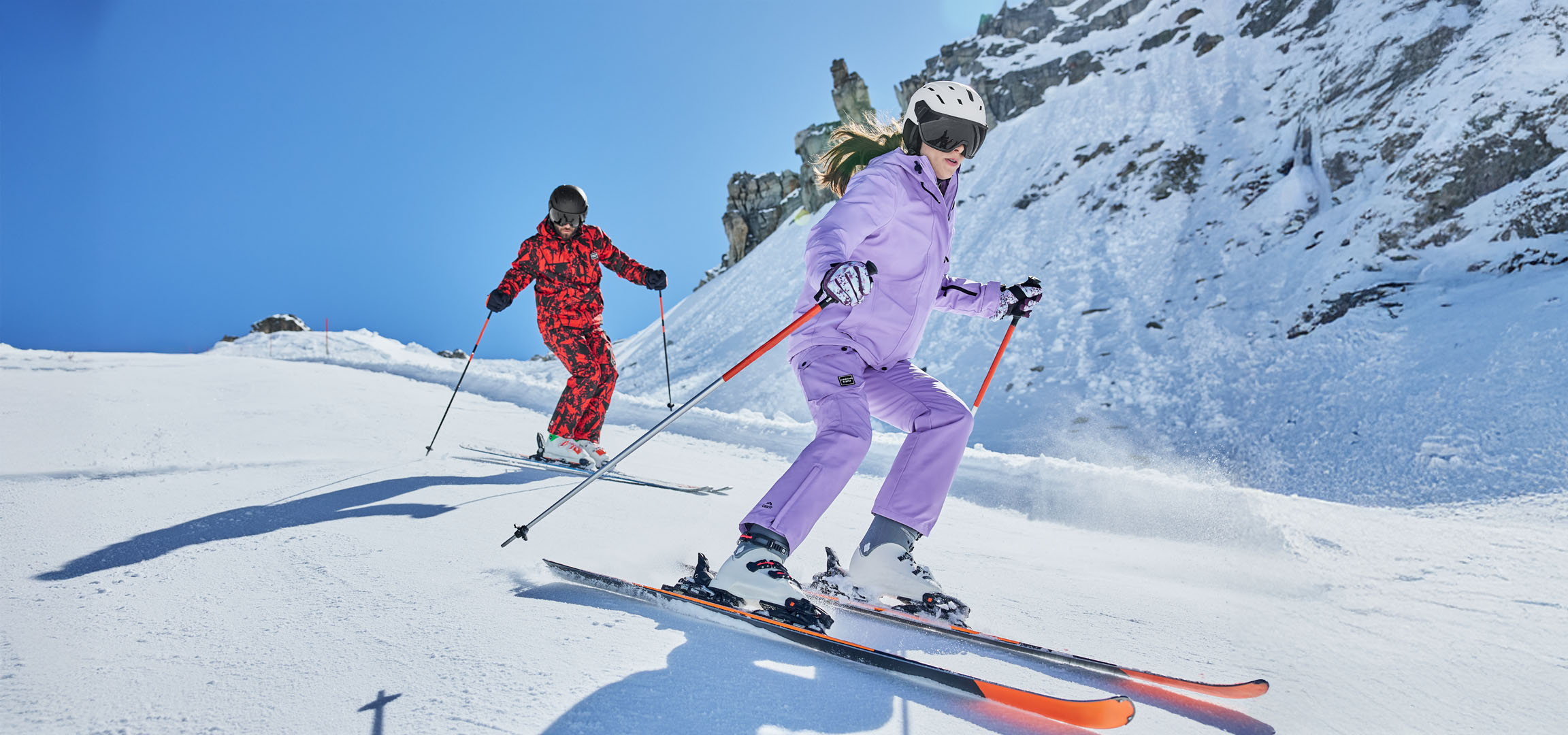
● Function: Weather protection – keeps wind and water (snow) out, but is breathable.
● Material: Ski jackets and ski pants with high-tech membranes (for example: THERMOLITE).
● Look out for: Sealed seams.
Verdict: Flexible and warm on the slopes
With this layering system, you can quickly choose the perfect combination for any weather. This way, you stay comfortable and have more fun while skiing!