Thermal: Smart Fibers for Cold Days
Shivering despite wearing layers? Luckily, there is thermal clothing for every situation from head to toe. How do these smart fibers work, and what should you look out for when choosing and caring for them? Here is your thermal guide for an extra cozy winter.
What is thermal clothing?
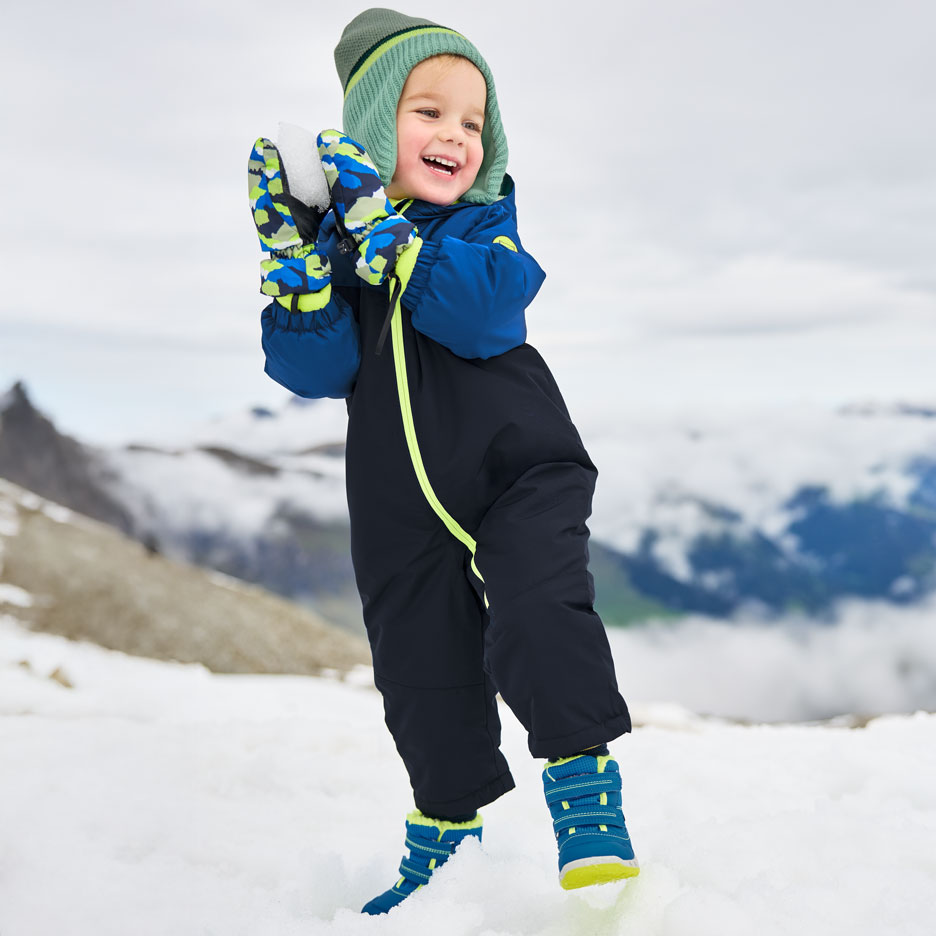
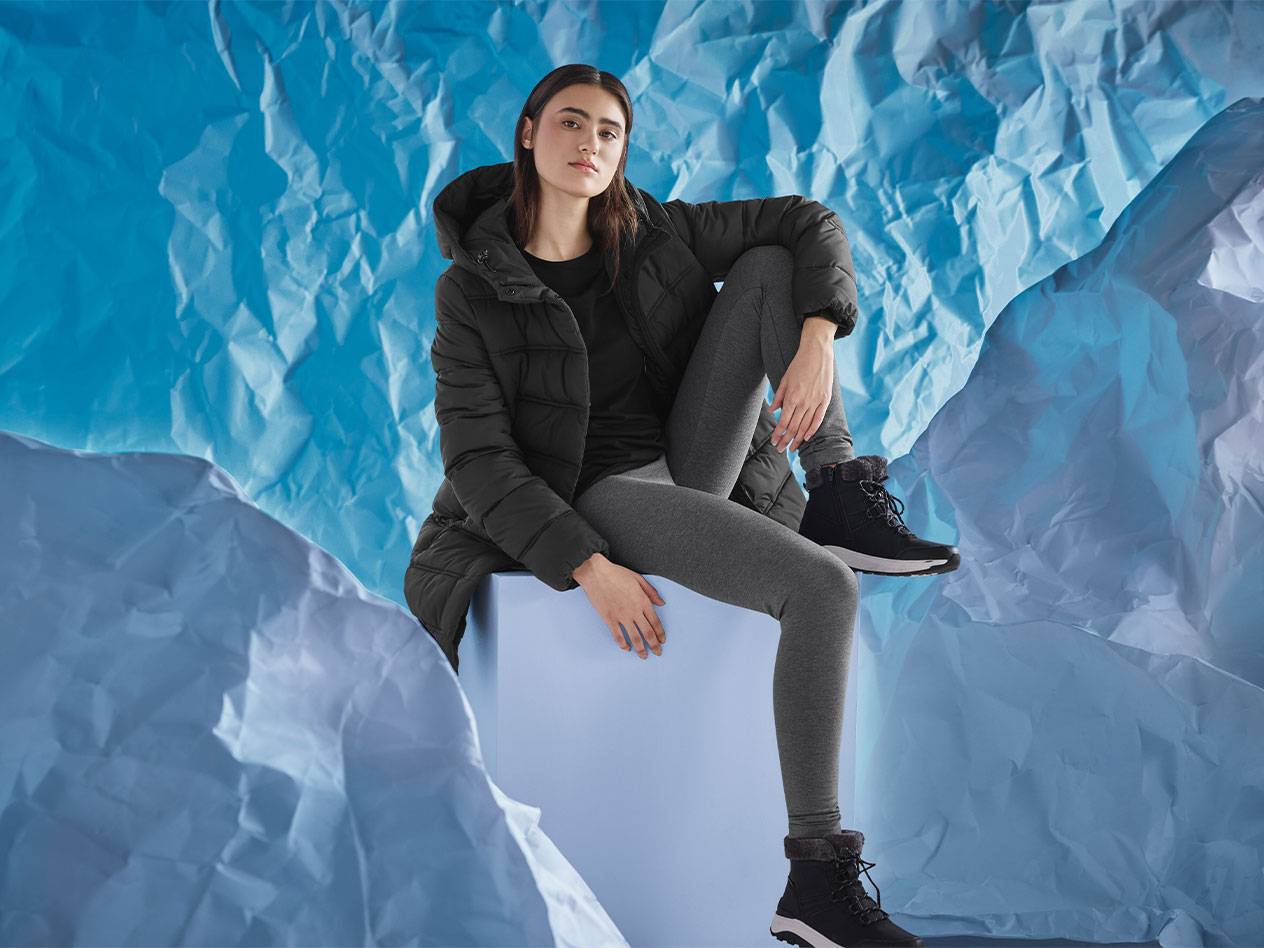
Thermal clothing is a broad term, but it basically refers to functional apparel designed to protect you from getting cold due to rain, wind, and especially freezing temperatures. Thermal clothing turns your body heat into a shield against sub-zero temperatures. At the same time, it wicks moisture away from your body – a crucial defense against catching a chill! Depending on its function and fibers, it also blocks out rain and wind. Thermal clothing is available for kids and adults, covering you from head to toe.
What materials are thermal clothes made of?
From men's thermal socks to kids' long-sleeve shirts, thermal clothing comes in all kinds of materials. Most of the time, natural and performance fibers are blended together. The closer the thermal layer sits to your body, the higher the share of natural materials. Wool or cotton with a touch of synthetic fibers make the perfect first layer for warmth and a great fit. Jackets or coats designed to block wind and rain are made of tightly woven and often treated synthetic fibers – keeping you completely dry!

How do I wear thermal clothing?
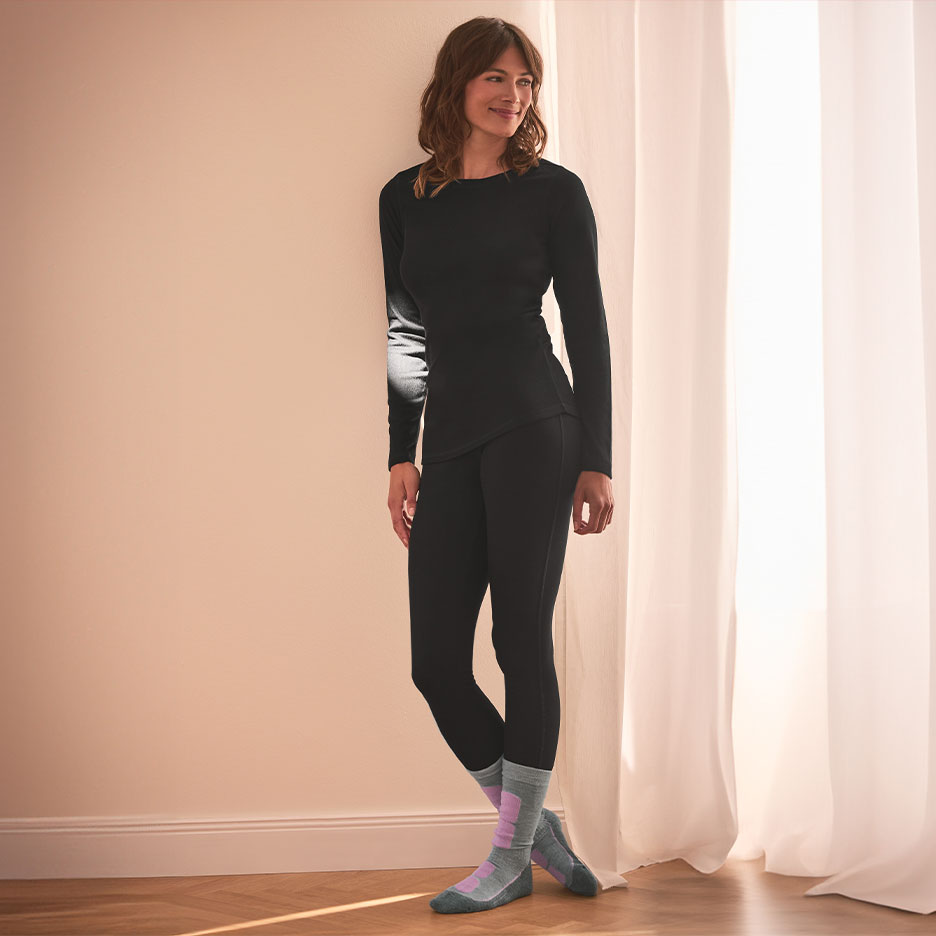
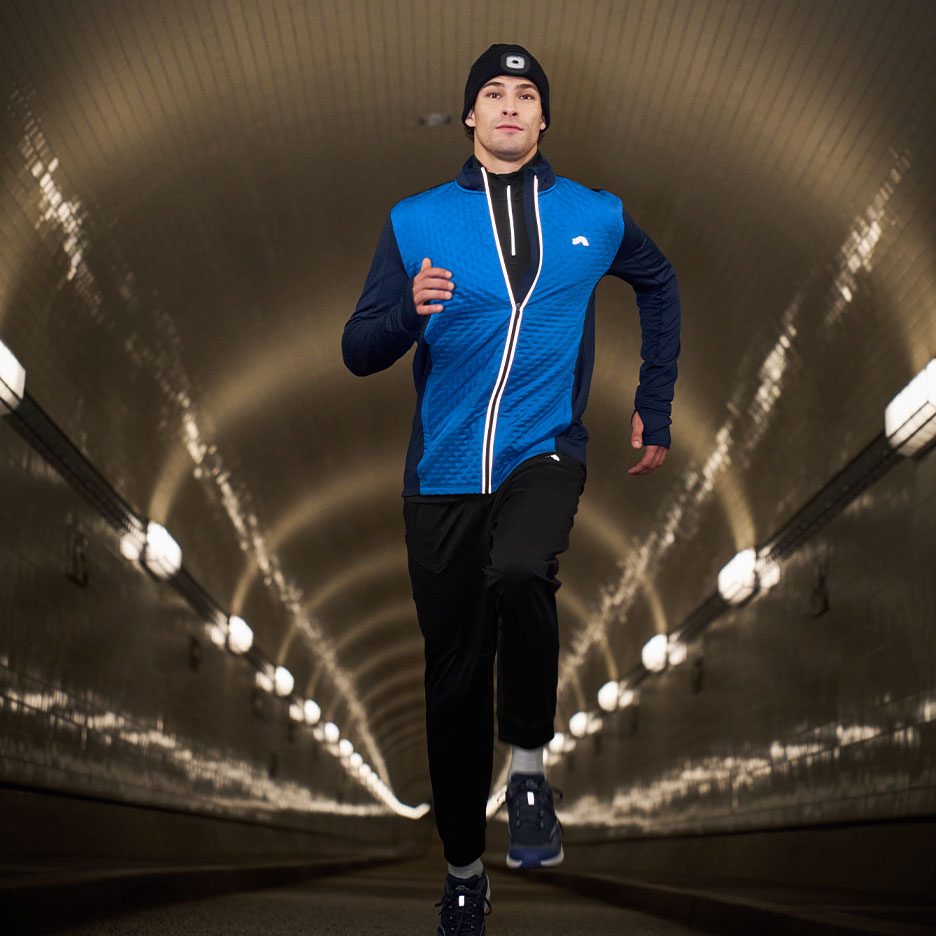
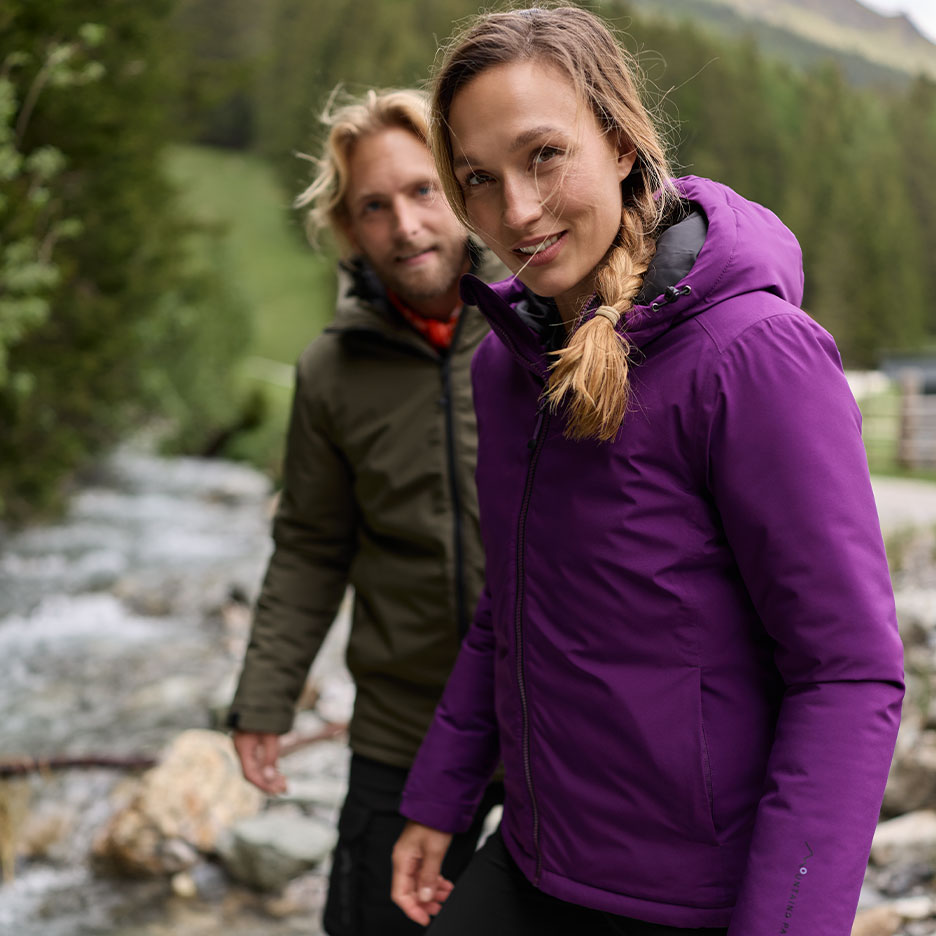
Ideally, you should wear thermal clothing in smart layers. The most important layer is the first one, which creates a pocket of warmth through direct skin contact. Items like sports underwear or a functional thermal shirt fit snugly and cover the skin completely. Make sure to choose breathable fibers and the right size. A rain- or wind-resistant outer layer—such as a women's jacket—can be a bit looser. Here, you should focus primarily on the fit of the cuffs and the right length for your body and your activities. Don't forget: most body heat is lost through your head—so, put a hat on!
How do I care for thermal clothing?
High-quality thermal clothing deserves great care. Always wash shirts, socks, leggings, and more at low temperatures, use a liquid detergent, and skip the fabric softener. The dryer should also take a break—air drying is the better choice. You can treat water-repellent thermal clothing with waterproofing sprays after washing so that rain really doesn't stand a chance. And now? Head outdoors—no matter what the weather forecast says!