Ice Bathing for Recovery: How to Get Started
Ice bathing is currently experiencing a real comeback – especially in the fitness, sports, and health world. No wonder – because the targeted application of cold can effectively support your body in recovery after exercise. In this article, you will find out exactly how ice bathing works, why it can promote your recovery, and what you should keep in mind.
What is Ice Bathing?
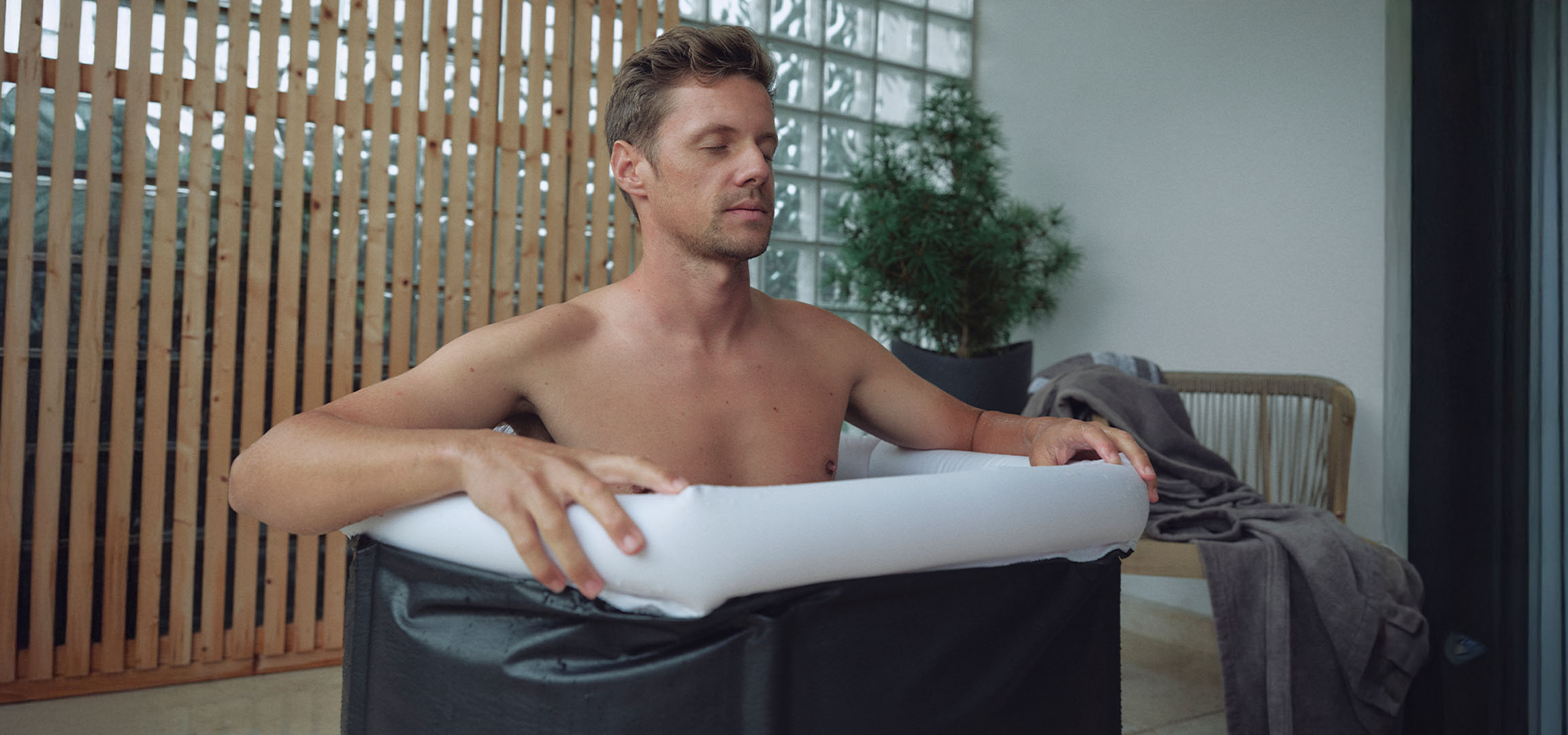
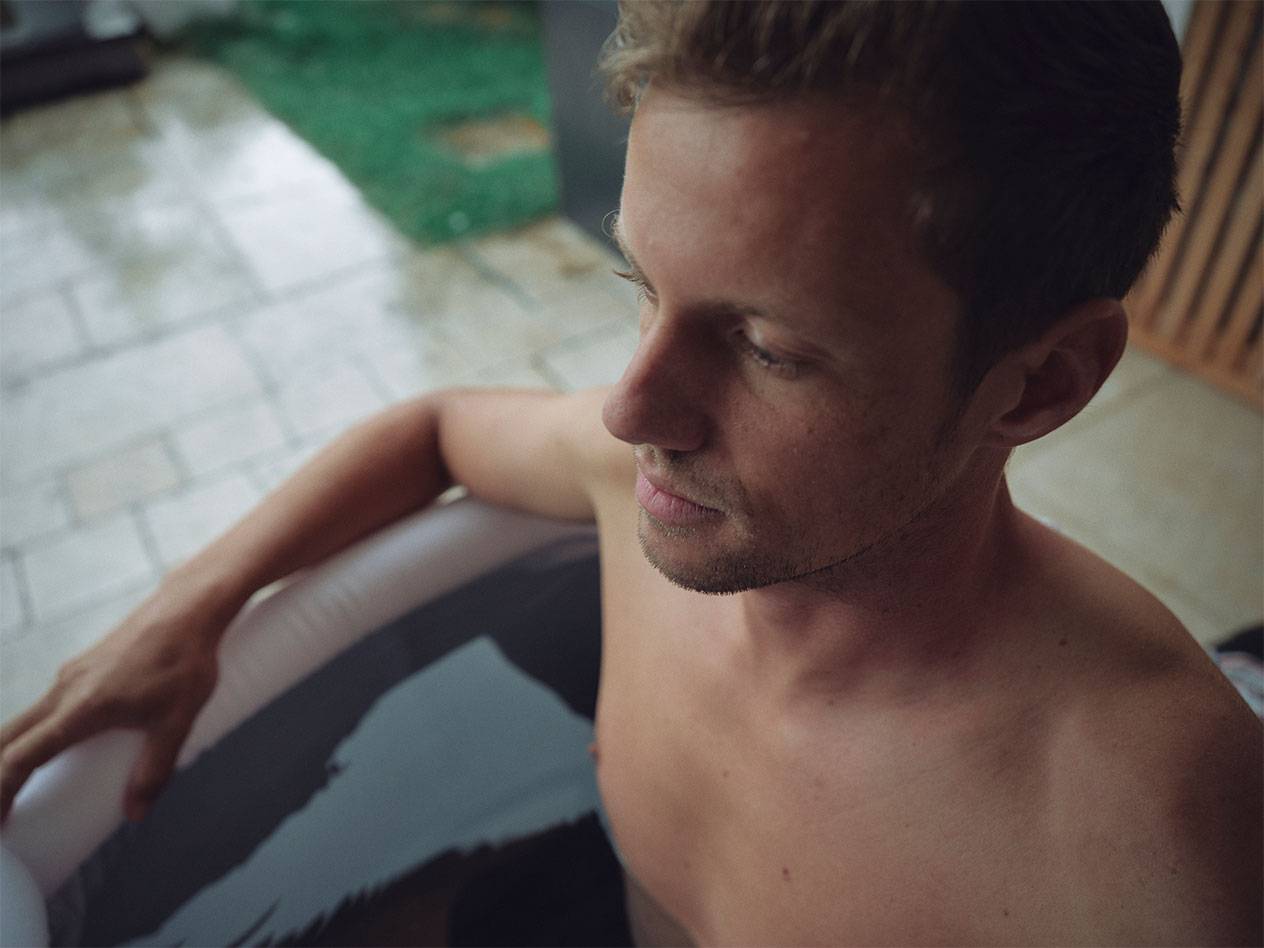
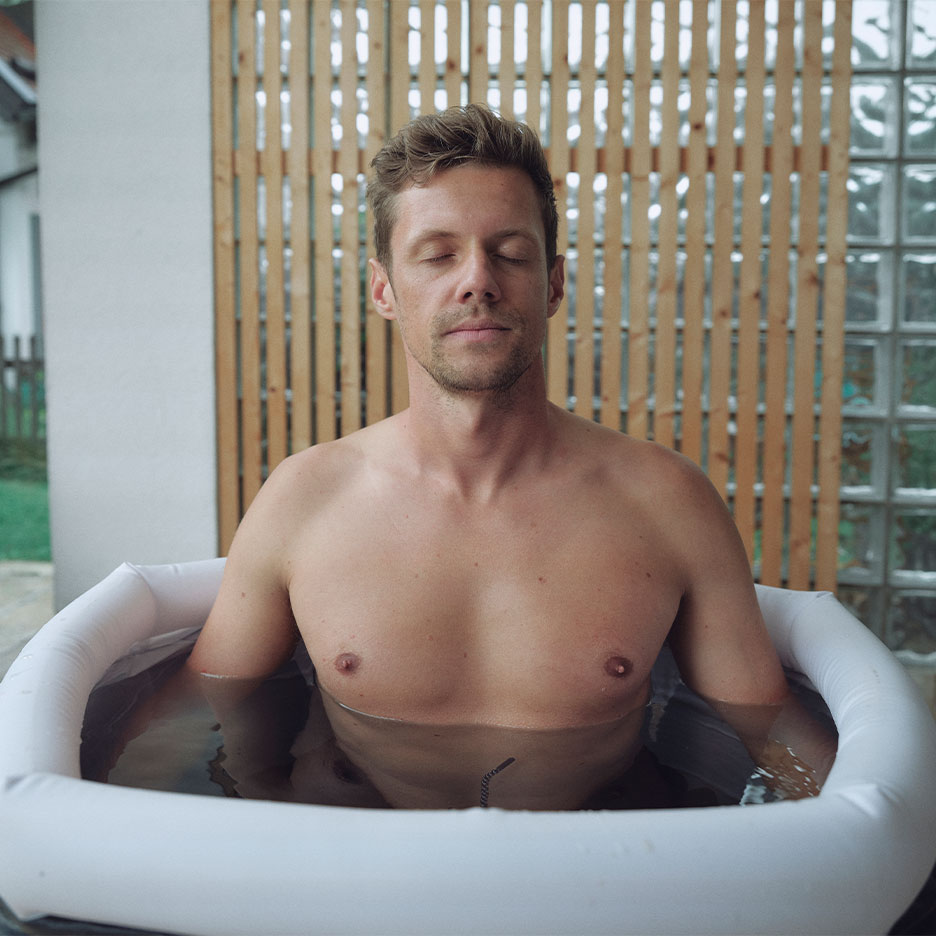
Ice bathing describes the conscious immersion of the body in cold water – usually between 41 and 50 degrees Fahrenheit (5 to 10 degrees Celsius) – for a short period of 2 to 5 minutes. It is part of cold therapy (cryotherapy) and has been used for decades by professional athletes to reduce inflammation, relieve pain, and speed up recovery. Originally, the concept comes from Scandinavia, where the alternating experience of sauna and ice hole has been part of the culture for centuries. Today, it is practiced by pro athletes, biohackers, and fitness enthusiasts worldwide – and its popularity is growing.
Why is recovery important?
After training, your body needs time to:
- repair minor muscle injuries
- reduce inflammatory processes
- replenish energy stores (e.g., glycogen)
Targeted recovery ensures that you regain your performance faster, avoid injuries, and make progress in your training. This is exactly what you can promote through ice bathing.
Ice bathing for recovery: These benefits await you
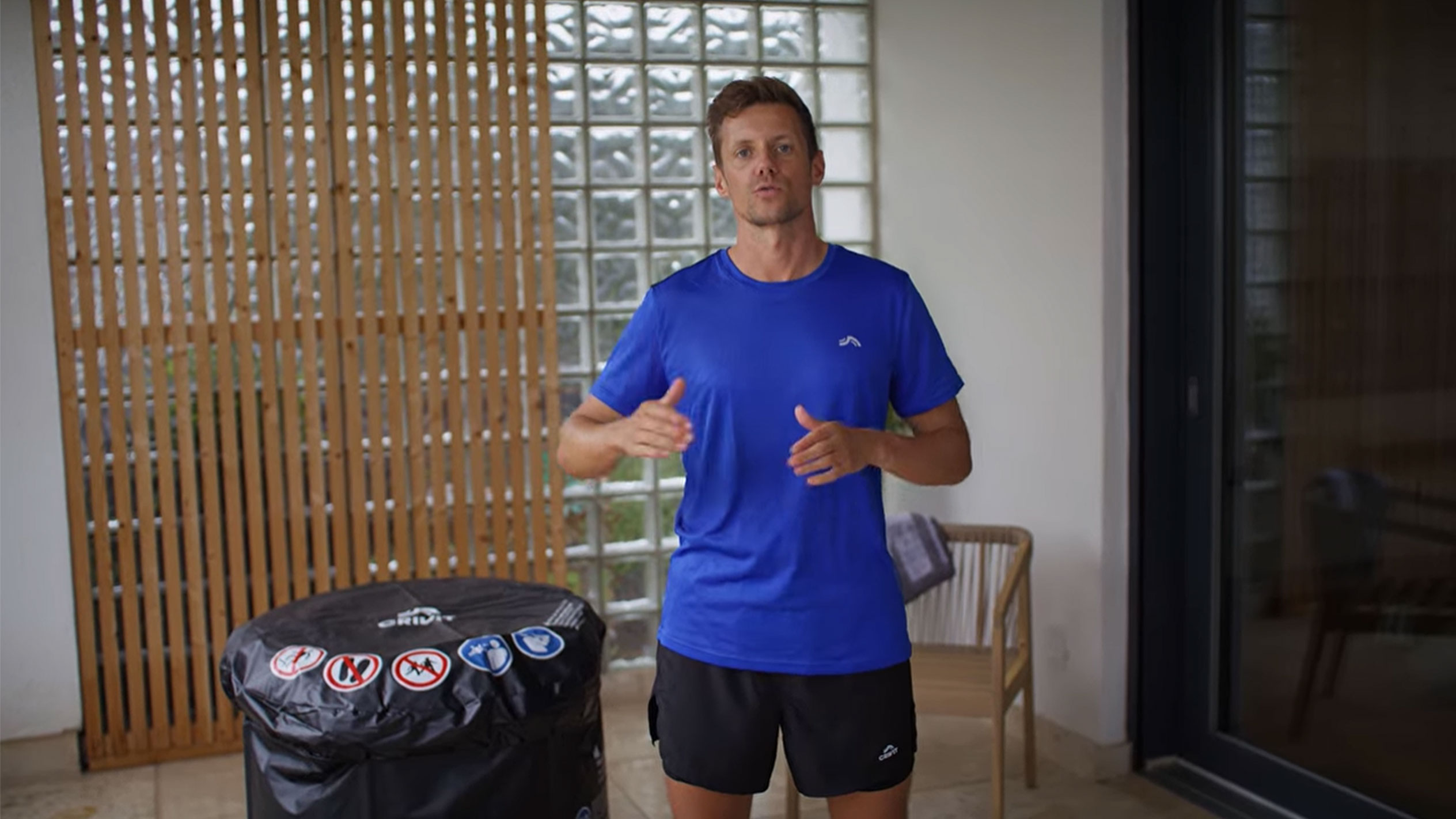
“Cold can be intimidating – or it can make you stronger,” says our expert David, a sports scientist and physical therapist who knows exactly what matters. “Ice bathing is an effective way to target recovery and relieve stress - especially after a workout,” he emphasizes.
These are the benefits of ice bathing:
1. Nervous System Reset
“When we step into cold water, a lot happens in the body immediately,” David explains. “The cold stimulus triggers an acute stress response – your pulse and breathing quicken, and the body releases adrenaline and endorphins. This not only makes you feel alert and clear-headed, but it also gets the nervous system moving – a reset that can feel really good.”
2. Reducing Muscle Soreness
Cold water causes your blood vessels to constrict. After stepping out, they dilate again. "This improves circulation, activates your metabolism, and acts like a refreshing kick for your entire body – making it an effective recovery booster, especially after intense workouts." It also helps flush out waste products like lactate and reduces muscle soreness.
3. Anti-inflammatory Effects & Pain Relief
Cold exposure inhibits the activity of pro-inflammatory signaling molecules, known as cytokines, in the body. This is particularly beneficial after intense workouts like HIIT or strength training. At the same time, ice baths act as a natural pain reliever by reducing nerve conduction velocity – perfect for mild overexertion pain.
4. Long-Term Stress Relief
Stress relief is a vital part of recovery. You can promote this through regular ice baths: In addition to reducing stress, you can also strengthen your immune system in the long run—especially when you stay mentally focused during the process.
Tips for Ice Bathing: How to Get Started
Want to start ice bathing but not sure how? No problem! With the right preparation, cold therapy can become a safe and effective part of your recovery routine.
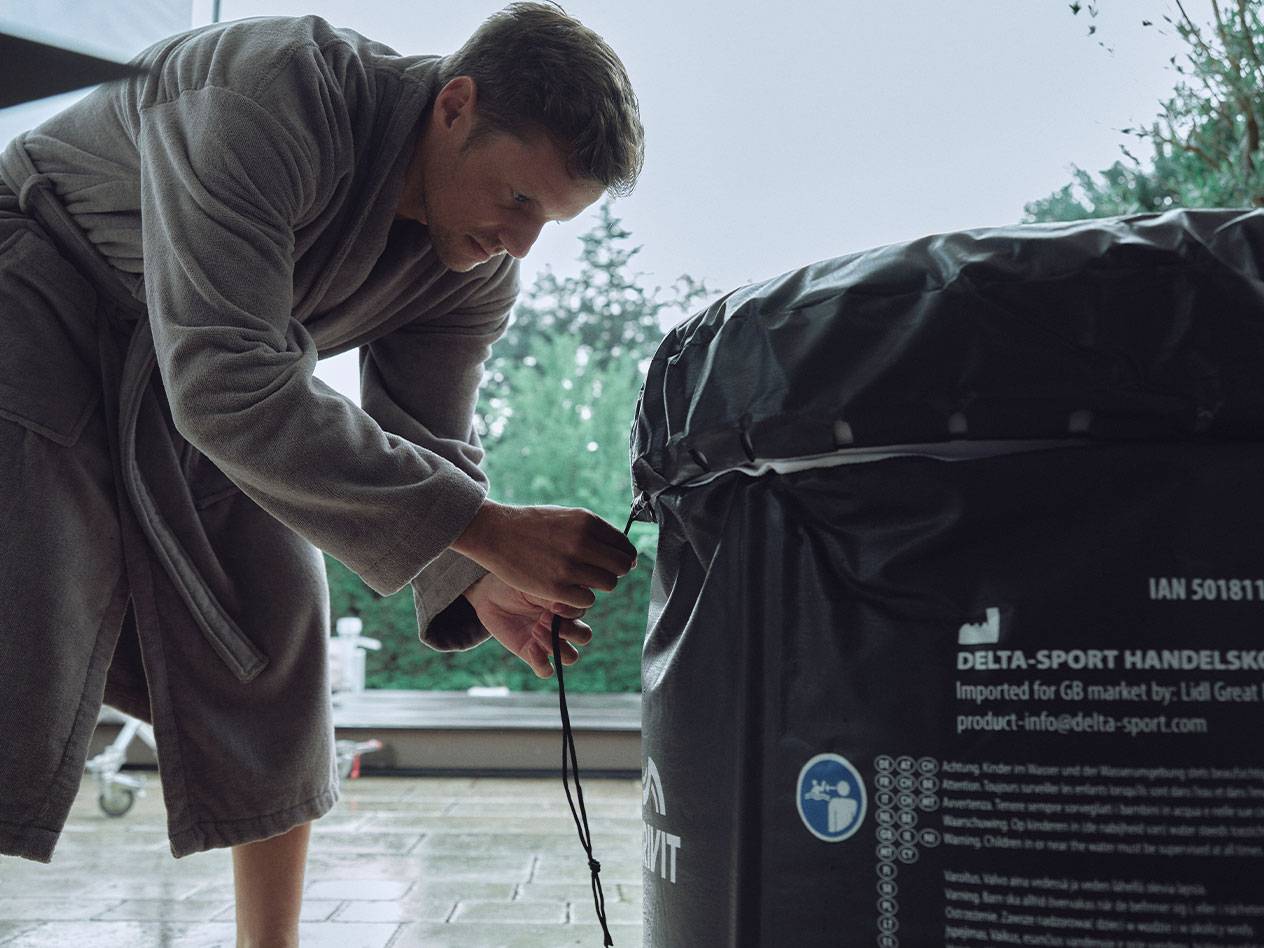
Start at home in an ice barrel
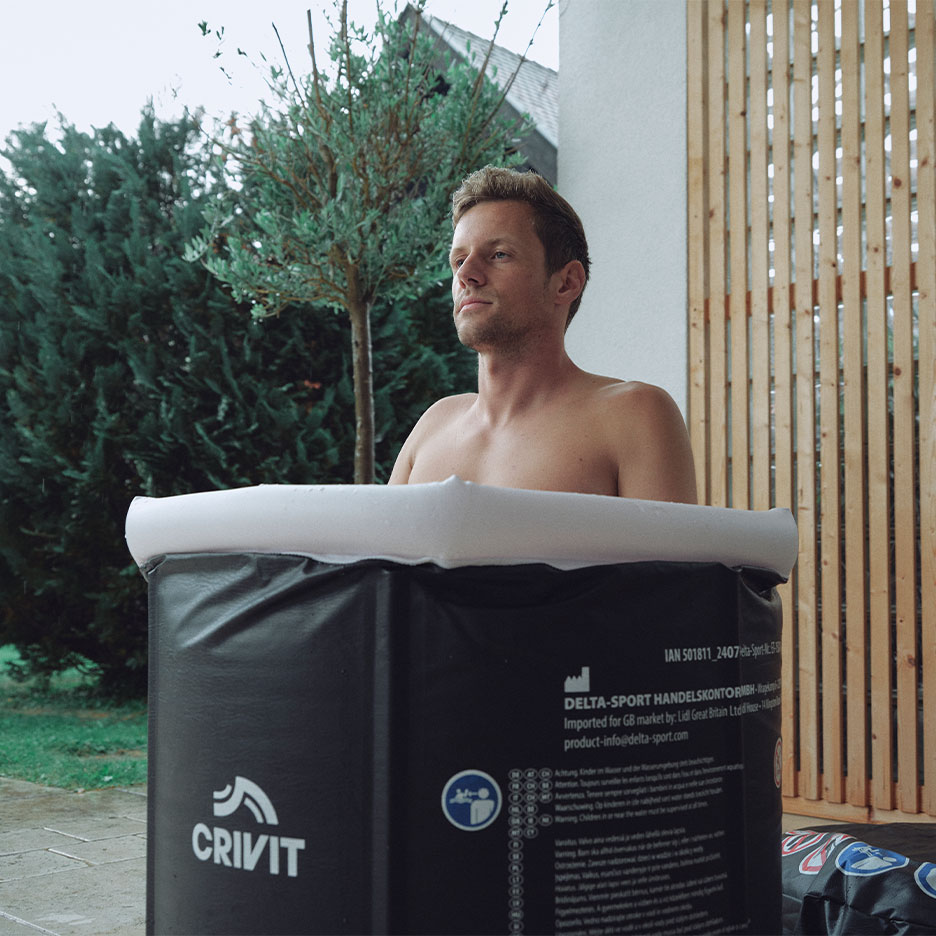
Instead of starting directly in a lake, David recommends starting at home in an ice barrel first. "There you can control the temperature precisely, start in a safe and comfortable environment, and have all the important utensils close at hand – making the start stress-free."
A tip for the barrel: "Make sure it has a low empty weight. This allows you to move it flexibly – for example, into the shade or closer to the shower." It should also be large enough for you to sit upright in it.
Lower the temperature slowly
“Ice bathing is not something you start from zero to one hundred,” David emphasizes. A good way to start is with cold showers or foot baths before immersing your whole body. Begin with water temperatures around 59 degrees Fahrenheit and slowly work your way down toward 46 to 50 degrees.Important: Do not get hypothermia! If you feel dizzy or breathe heavily, stop immediately.
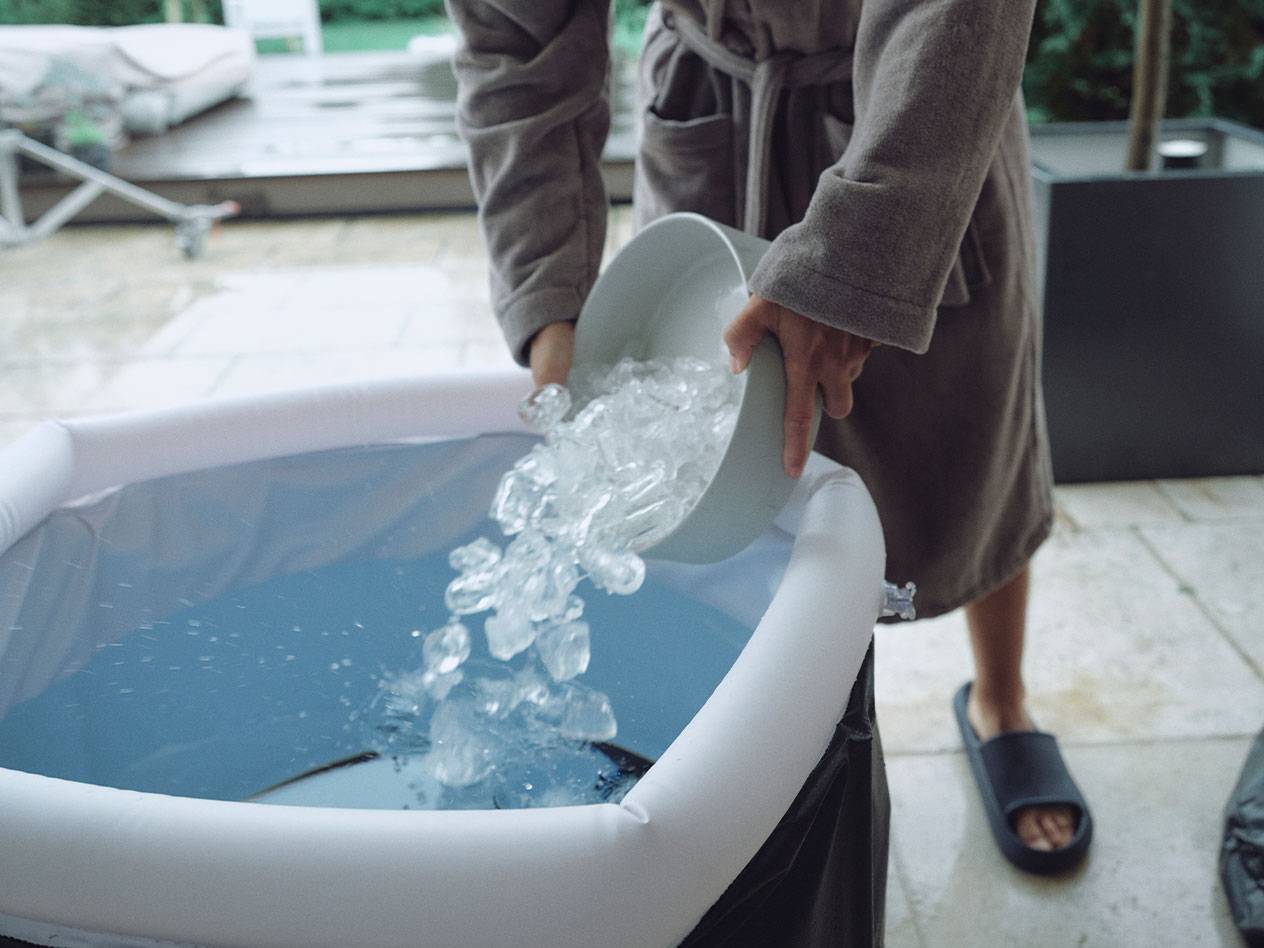
Prepare yourself mindfully
You shouldn't underestimate the direct preparation for an ice bath. To get both physically and mentally ready, David recommends conscious breathing: “Anyone who takes a few minutes for calm breathing exercises before getting in will also stay more relaxed in the cold water. Because the body reacts strongly – how you handle it mentally is what makes the difference in the end.”
Choose the right timing
An important tip that is often done wrong: "Directly after sports, it is better to take a break first – otherwise, the cold can slow down muscle building," says the sports scientist. After a break, however, the effects of the cold can have a positive impact: "It helps to reduce micro-inflammation in the muscles - and can prevent sore muscles."
Don't overdo it
2 to 5 minutes is absolutely plenty – especially when you're just starting out. For beginners, even 30 seconds to a minute is enough. Just like with the temperature: build up gradually to avoid any circulation issues.
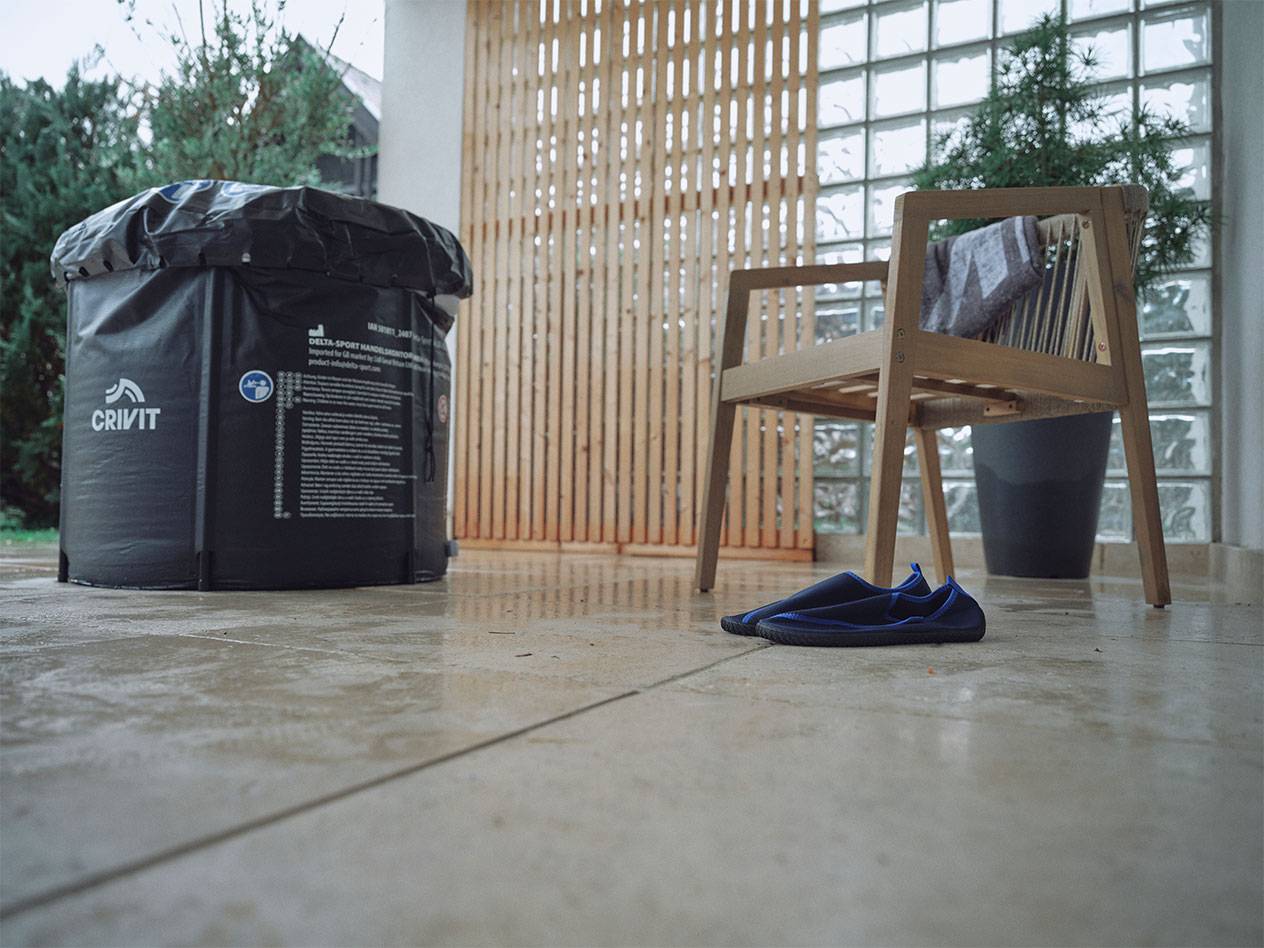
What equipment do I need for ice bathing at home?
You don't need expensive equipment for a safe and effective ice bath at home – you're perfectly set up with just a few basics:
- Ice tub or bathtub: A sturdy, sufficiently deep tub where you can comfortably submerge up to your chest is ideal. An ice tub with a thermal lid ensures that the water stays cold for a longer period. This saves you from frequent refills, keeping your cold plunge effective at all times.
- Ice or ice packs: To bring the temperature below 50°F, you will need ice cubes or ice packs. A pool thermometer helps you keep track.
- Cold protection: Gloves and a beanie protect sensitive areas – especially helpful for beginners.
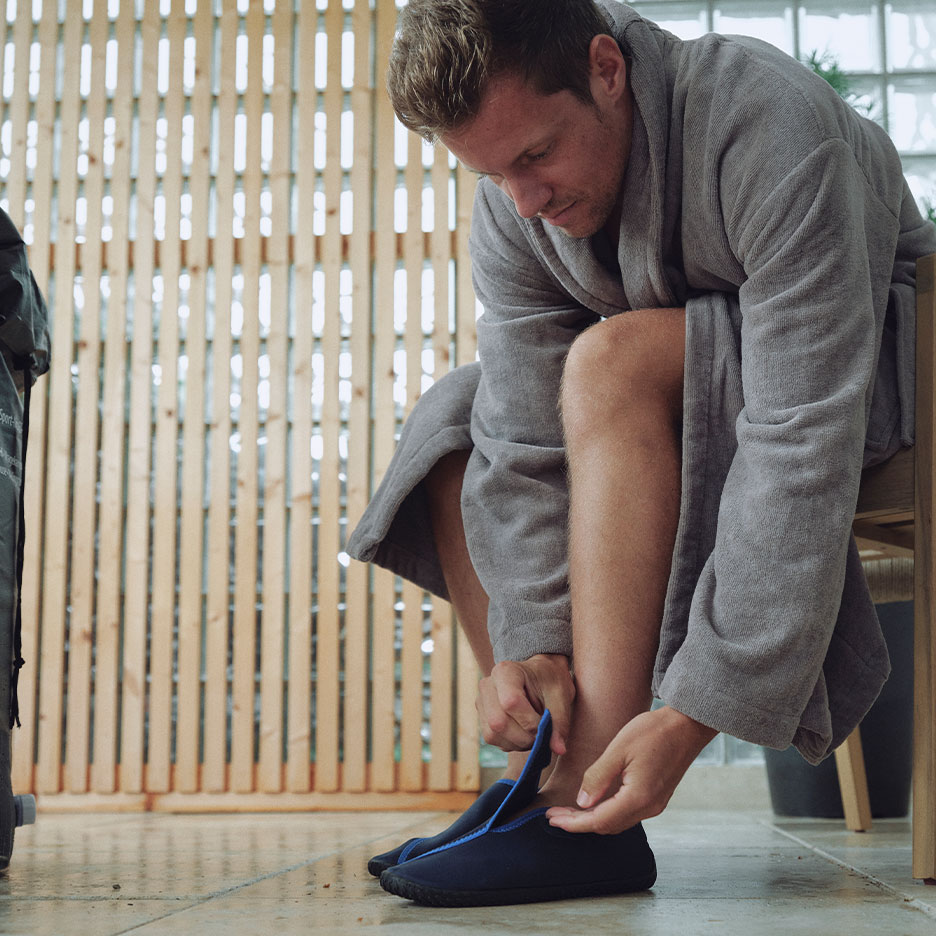
- Water shoes: They ensure you don't slip on wet surfaces. They also protect your feet – not a must-have at home, but very helpful in a lake.
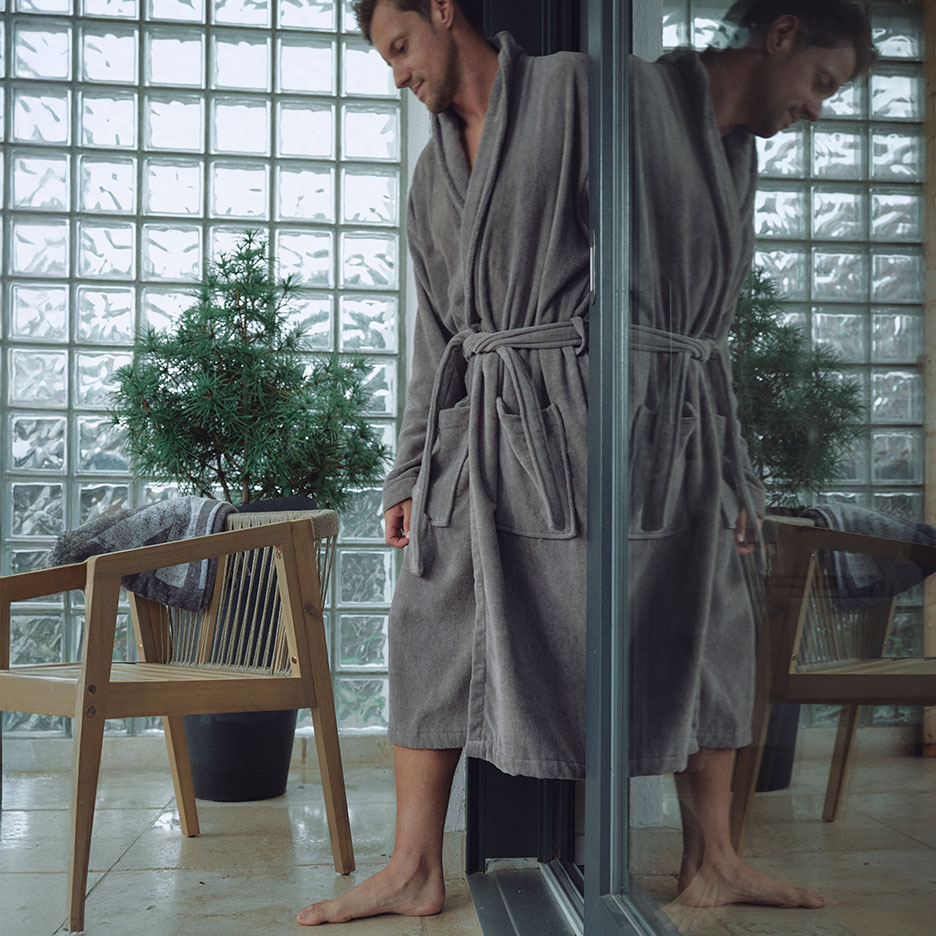
- Warm items for after: After your bath, you should have a towel and a warm bathrobe ready. This allows you to warm up slowly. A hot cup of tea can also be very soothing.
- Optional timer: A timer helps you gradually increase the duration of your ice bath – particularly useful when starting out.
Who is ice bathing suitable for?
Ice bathing has many positive effects – especially for recovery after sports activities. However, ice bathing is not suitable for everyone. Expert David emphasizes: “People with cardiovascular diseases, high blood pressure, or circulation issues should consult a doctor beforehand. And if you have a cold or an infection, it is also best to take a break. Because recovery also means taking your own limits seriously.” A piece of advice you should definitely take to heart.
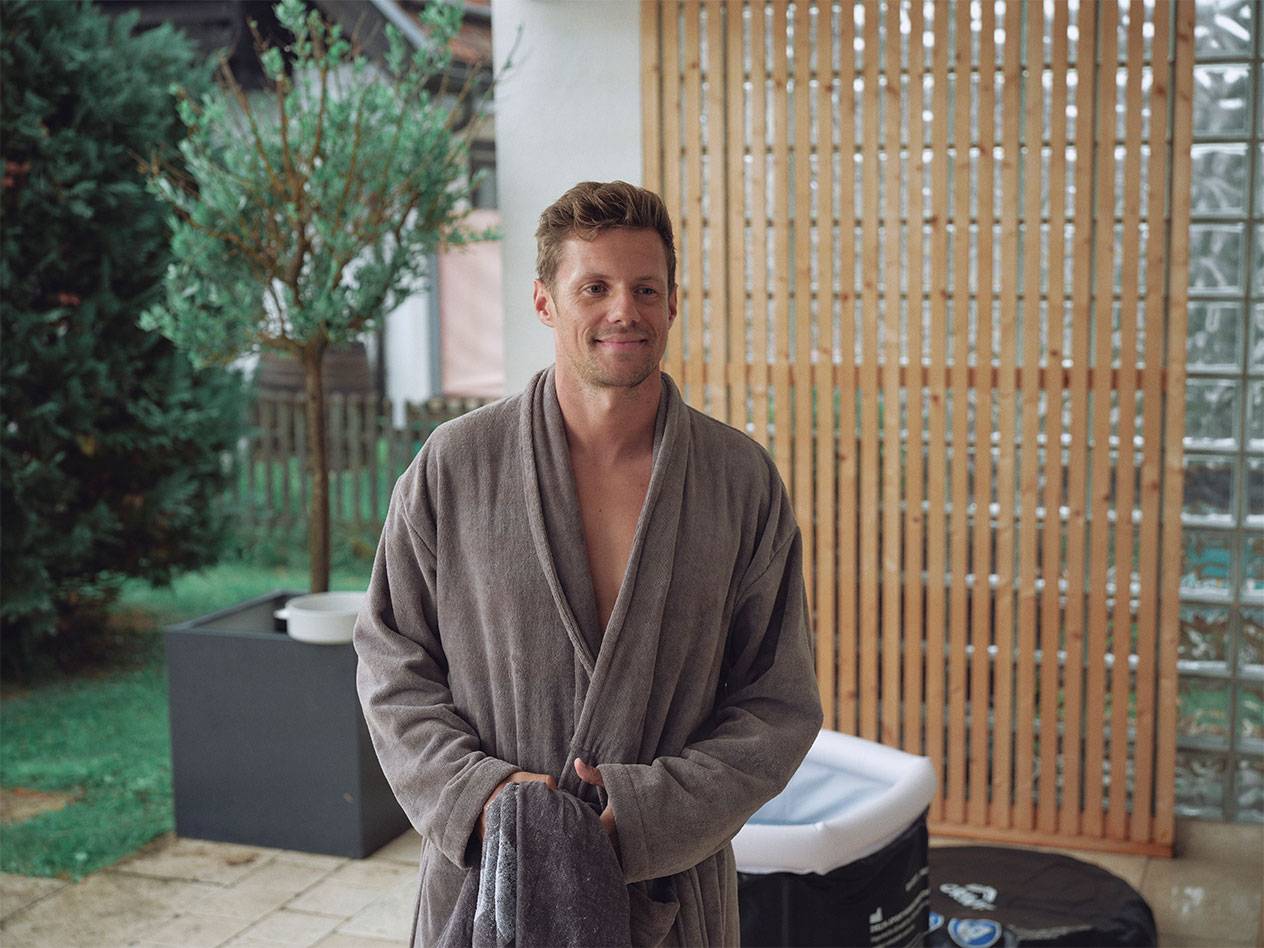
Conscious recovery with cold therapy – step by step
Ice bathing is far more than just a trend – it is a targeted method to bring your body and mind into balance. Properly applied, the cold can accelerate your recovery, reduce inflammation, relieve stress, and recalibrate your nervous system. But as with any recovery tool, the key is not to overdo it, but to use it mindfully. Getting started is what matters most. If you take it slow, prepare well, and listen to your body, you can benefit from the many advantages of ice bathing in the long run. And you might soon realize: the hardest part is often taking that first step – after that, a noticeable burst of freshness awaits your body and mind.
Frequently Asked Questions About Ice Bathing
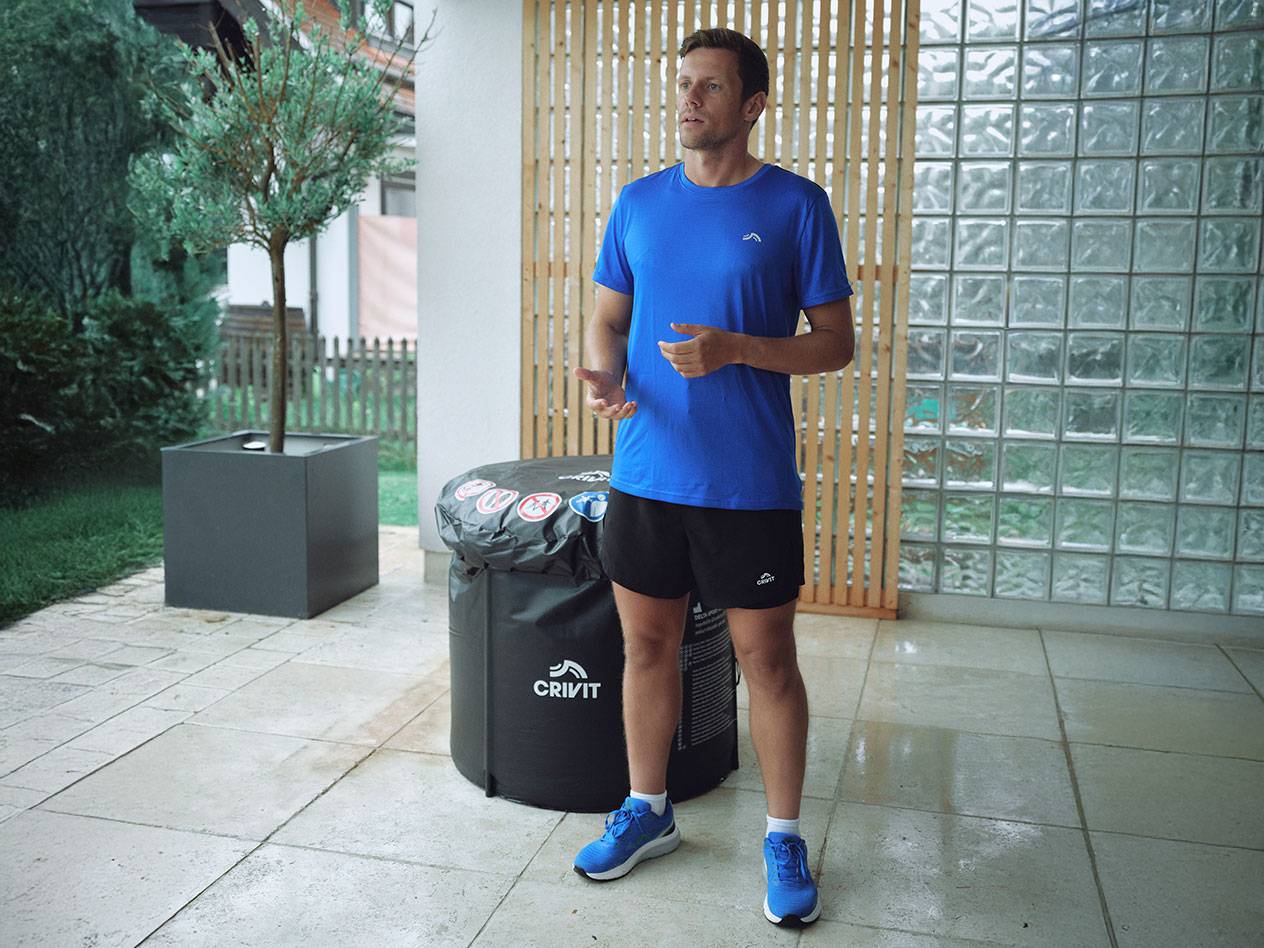
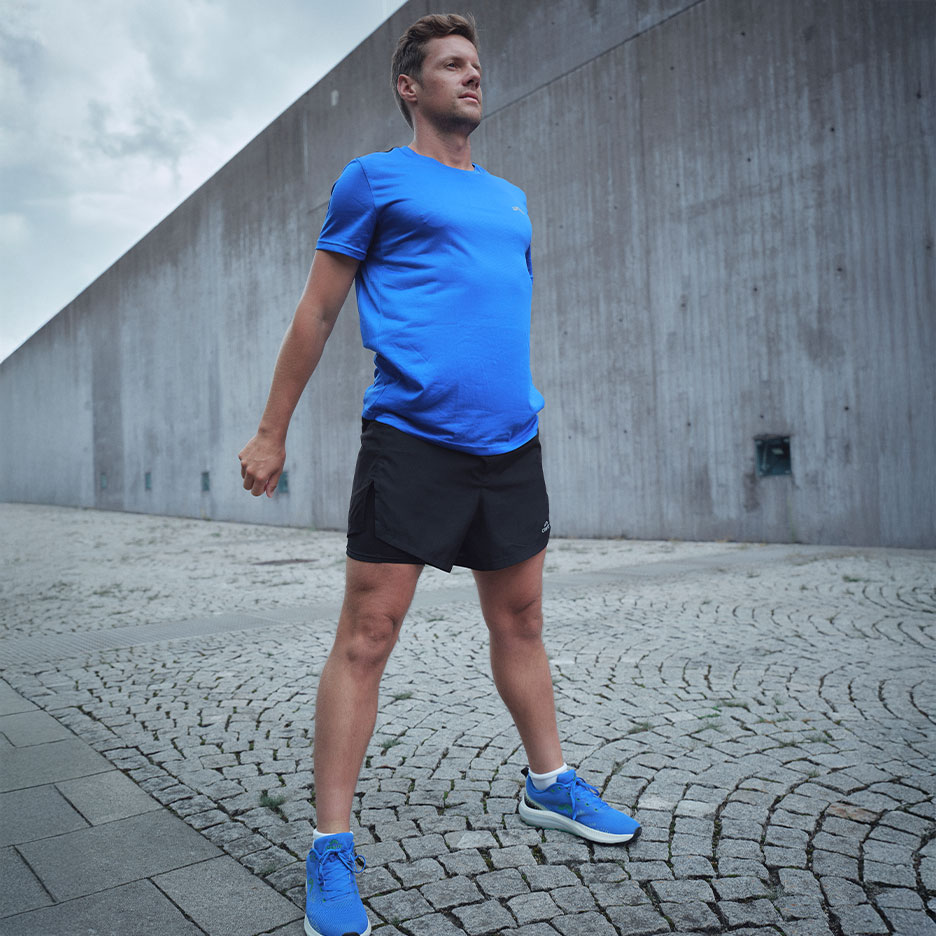
Profile of Running Expert David
Name: David Schönherr
Age: 36 years old
Profession: Sports Scientist & Physical Therapist with his own running schools
Athletic Background:
- Sports Scientist & Physical Therapist
- Ultramarathon Runner / 2:23h Marathon
- Two-time Winner: RedBull Wings for Life World Runs Germany
What makes David stand out: David is a true running pro. It is not just his athletic background that speaks for itself. He also shares his expertise and is the founder of RunningCrew and the Münster Running School.