products shown 3 / 3 Product

 AI
AI AI
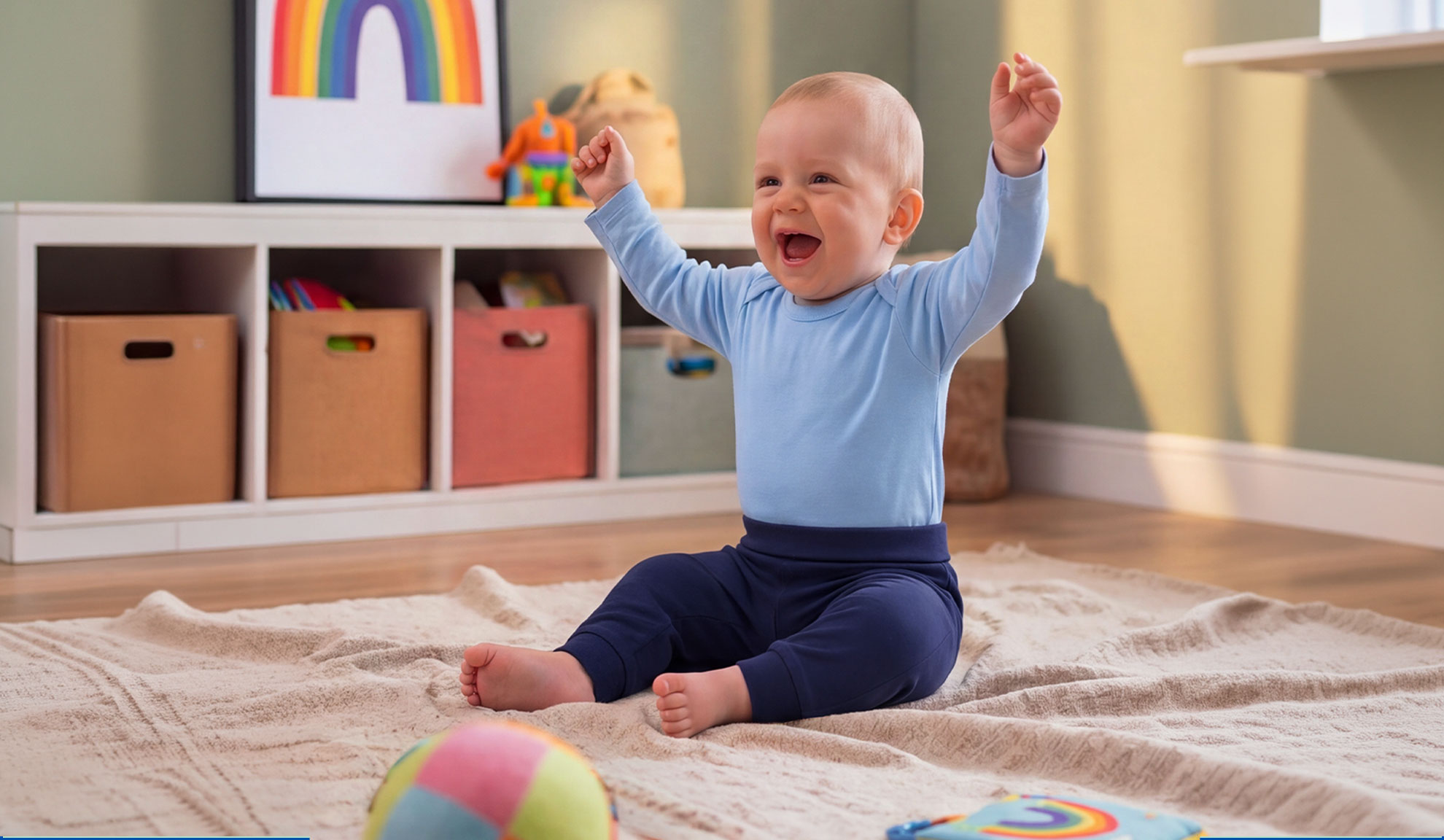
AIComfort is always the top priority when it comes to baby clothing. Soft, flexible materials that move with your baby, and few seams that could pinch: these are the hallmarks of good baby clothing – and, of course, it should be as easy as possible to put on and take off. It should also suit the weather. And, of course, it can also be stylish so that your sweet baby shines even brighter.
To ensure your little one feels comfortable in their clothes, you should pay attention to the following:
There are also some deal-breakers when it comes to baby clothing. It should not feature the following characteristics:
If you want to buy high-quality and durable baby clothing, cotton is the perfect material. This easy-care fabric is soft and comfortable to wear, and it can easily be machine-washed at up to 140°F (60°C). The latter is a real lifesaver once your baby starts eating solid foods. Wool is also well-suited for baby clothing because of its temperature-regulating properties: it warms in winter and cools in summer. However, this natural material is not ideal for babies with highly sensitive skin. Most babies tolerate lightweight wool-silk blends well – many even directly against their skin. If you have a messy little eater at home, make sure they don't spill too much on their clothes, as wool must be washed at low temperatures on a delicate cycle.
For synthetic materials, always look for certified toxin-free labels. Seals like the Oeko-Tex® Standard 100 give you peace of mind when it comes to safety from harmful substances.
Comfort is always the top priority when it comes to baby clothing. Soft, flexible materials that move with your baby, and few seams that could pinch: these are the hallmarks of good baby clothing – and, of course, it should be as easy as possible to put on and take off. It should also suit the weather. And, of course, it can also be stylish so that your sweet baby shines even brighter.
You can easily measure your little one to find the right size. And if you feel like a size is getting too small, simply move up to the next one. If you would like to gift baby clothing to new parents, it is best to ask them for the current size. While there are general guidelines for when a baby fits into a certain size, reality often looks very different.
Tip: If your little one is between two sizes or at the upper limit of a size range when measured, always choose the next size up. They will grow into it in just a few weeks.
You can calculate your baby's shoe size by measuring the length of their foot, adding about 0.6 inches (1.5 cm), and then multiplying the sum by 1.5. But beware: shoe sizes can vary greatly between different brands.
Baby shoe sizes start at 1.5, and by 24 months, most babies wear a size 7. Sturdy shoes only make sense once your baby can walk independently. Before that, soft-soled crawling shoes are ideal, as they do not restrict the foot and allow your little one to feel the ground – which is crucial for developing their sense of balance.
When buying their first pair of sturdy shoes, pay extra attention to the correct size: the foot needs enough room and shouldn't pinch at the toes, but the shoe shouldn't be too loose either, ensuring optimal support. Make sure the sole is flexible and moves naturally with the foot.