Routing
Routing is a versatile working method that can be used to create a wide variety of profiles. This guide reveals what you need to keep in mind when routing and where the added value lies, in a particularly clear and beginner-friendly way.
You will also find out in the following articles how you can get by without a router by using a drill, and what you need to consider for various routing tasks, such as routing a groove. This ensures a professional result, even for beginners!
The Added Value of Routing
Routing means removing material from a workpiece in the form of chips. This creates a profile for various applications. For example, patterns and lettering can be routed into the base material. However, the main area of application is creating material joints: this includes guide rails, T-joints, rebates, holes, and much more. With their help, individual parts can be firmly joined together by inserting a second workpiece into the matching routed recess. This joint can also be glued or screwed.
Methods & Functions
Routing methods are mainly used for furniture making. The following list provides an overview of common methods, functions, and tool features.
Common Routing Methods
There are various routing methods, each with its own specialized tools. The most versatile router is the plunge router. It can be guided very flexibly and with different attachments over the material to create the desired recesses.
The tool can also be mounted underneath a table to create a router table. This way, you no longer have to guide the tool over the material; instead, the material itself is moved over the router. This is particularly advantageous for small workpieces. Even grooves can also be worked into flat materials using an electric planer.
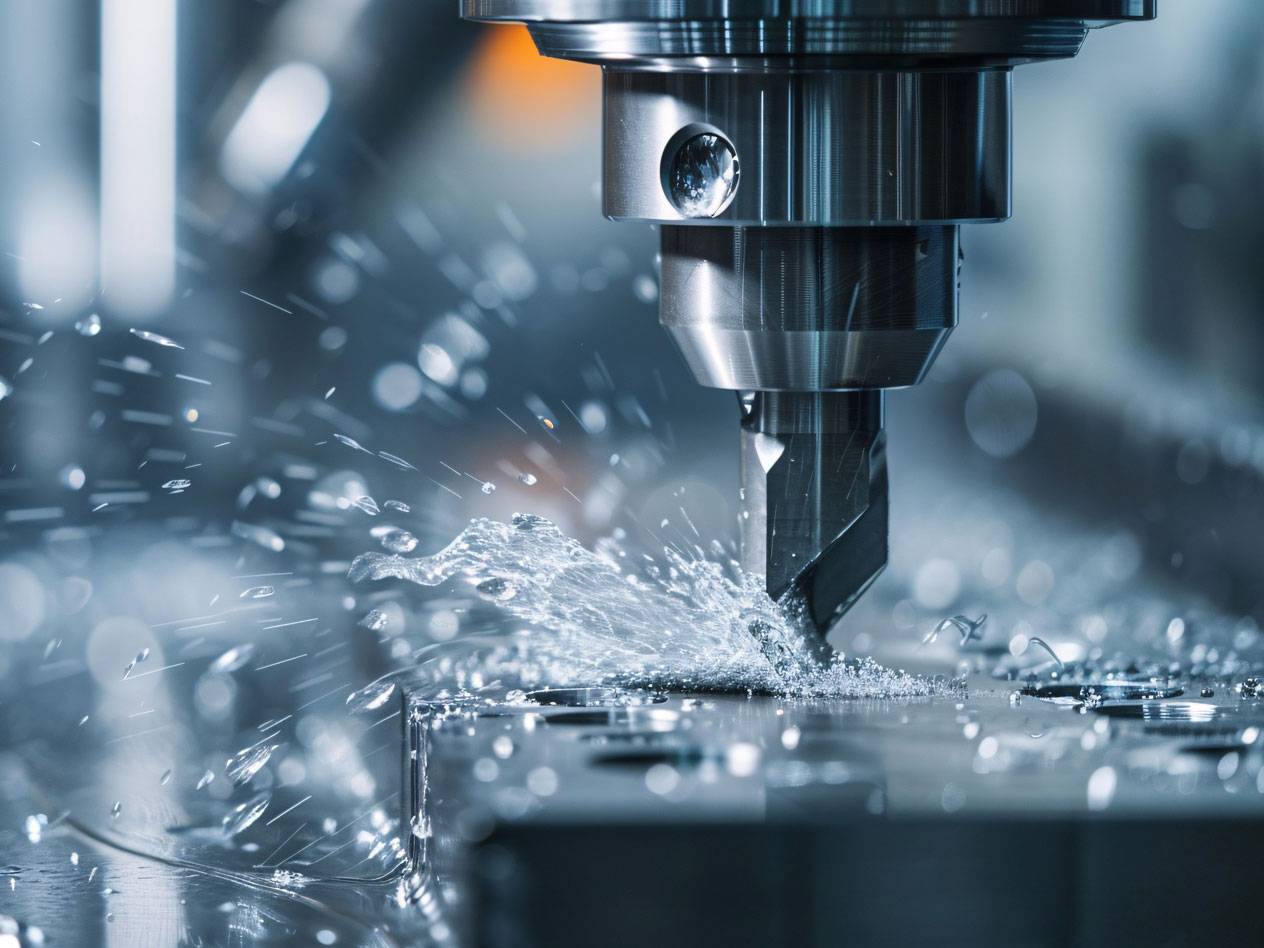
Routing is primarily done on wood. Although other materials such as metals and plastics can also be processed, this usually requires specialized equipment such as a CNC router. However, due to high acquisition costs and complex operation, this solution is only recommended for a few DIY enthusiasts.
For masonry, there are special wall chasers that can be used, for example, to rout channels for laying power cables or heating pipes. This tool is extremely useful for major renovation work and complete refurbishments.
Why conventional routing is better
Close-up view of the rotation direction indicator on a router, symbolized by an arrow. When routing, you should always work against the rotation direction of the tool whenever possible. This is usually indicated on the device by an arrow. Although you can also rout with the rotation (climb routing), the workpiece is much harder to stabilize. In the worst-case scenario, the material can even be thrown back, posing a risk of injury.
Why cutting speed is so important
Cutting speed is frequently cited as a key selection criterion for milling machines and is calculated from the feed rate, rotational speed, router bit diameter, and the mathematical constant pi. However, it only becomes crucial when ultra-fast processing times and high output rates are required, such as in industrial mass production. For these applications, complex charts are used to optimize productivity and minimize tool wear under heavy loads.
For DIY use at home, cutting speed is negligible and also unnecessarily complicated to calculate. While the feed rate can be controlled, it is difficult to quantify in exact numbers. For instance, harder materials can be milled more slowly because they offer more resistance. Plastic is the exception here: it should be milled as quickly as possible, otherwise the material will melt.
The right speed when routing
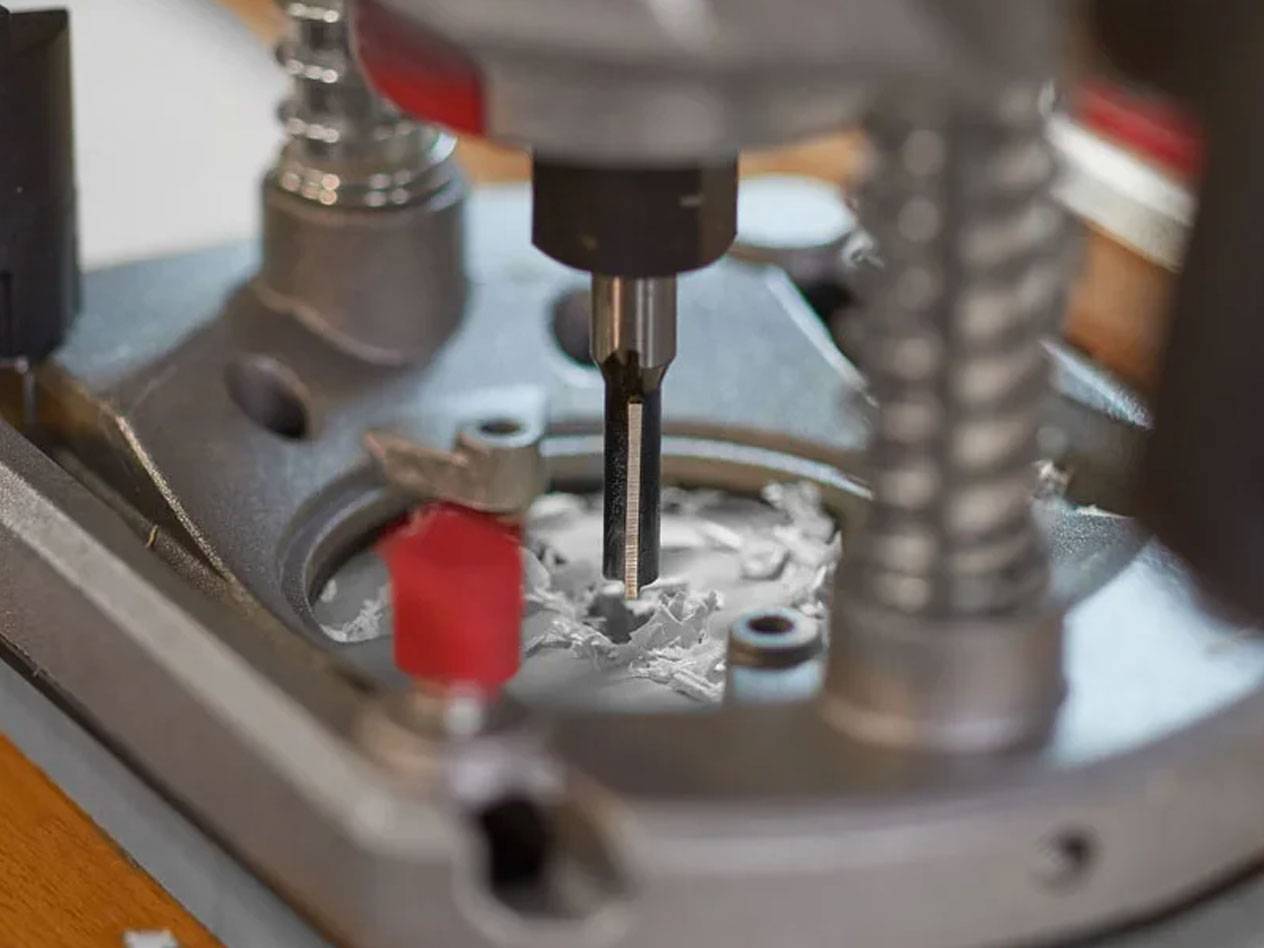
Unlike feed rate, speed is a different story. When routing, unlike sawing, the rule for most woods is: full speed ahead! Speeds that are too low result in heavy friction on the material and will not remove the wood reliably. This increases the temperature so drastically that it can lead to unsightly burn marks and charred cut edges. Therefore, it is generally advisable to work with higher rather than lower speeds.
For plastics, it is the other way around. Here, you work with the lowest possible speed setting and pay special attention to using an exceptionally sharp router bit. This should have no more than two cutting edges so that there is enough space for chip clearance. This effectively prevents heated chips from melting and sticking together.
Tip
A cooling lubricant can also be used for metal and plastic. It reduces heat buildup and improves chip removal. It also generates less dust, as the dust is bound in the lubricant.
Summary
Routing is a versatile machining method that can be used to create profiles in all kinds of shapes. Although many materials can be machined with a router, wood is the most popular because:
- Metal requires expensive equipment such as a CNC router. However, this investment is rarely worthwhile for home use.
- Materials with low strength tear quickly and are therefore unsuitable.
- Plastics require speed control on the router used. In addition, the use of coolants may be advisable.
For routing various types of wood, the plunge router in particular offers an almost endless number of applications and makes it easier, for example, to build furniture as well as countless design projects. When laying cables and pipes as part of renovation work on masonry, a wall chaser is highly recommended.