Beams, Boards, Shavings: Wood Sawing Made Easy
Wood is the most widely used material for DIY projects. When sawing wood, there are a few key points to keep in mind. Choosing the right wood saw is crucial to achieving the best result. The following guide explains which saw is suitable for which purpose and provides further helpful tips.
Specialty Tools and All-Rounders
Sawing wood can take many forms: fine and coarse cuts, straight and curved, from the edge of the workpiece or right in the middle. For every job, there is a dedicated specialty tool. Whether electric or manual, every tool has its purpose. But beyond that, there are also practical all-rounders.
Choosing the right saw for the job
Which saw is the right one depends primarily on three criteria: size of the workpiece, precision requirements, and cut shape. The following application examples for various saws range from rough work with the chainsaw to intricate work with the scroll saw.
Tip
For woodworking, there are universal saw blades that can be used for almost all types of wood. Special blades are only necessary in rare exceptions.
Sawing firewood for fireplaces and wood stoves
Firewood does not require fine detail work. Frayed edges and rough cuts are not an issue here. The chainsaw is therefore the perfect tool for this job. It saves you time and effort. Alternatively, firewood can be split the traditional way with a hatchet or an axe.
Frequently Asked Question
In some areas, individuals are permitted to harvest firewood for their own personal use. But how long are you allowed to saw wood in the forest? This can vary by season and even by state. To be on the safe side, it is best to check with your local forest ranger.
Cutting Beams, Boards, and More
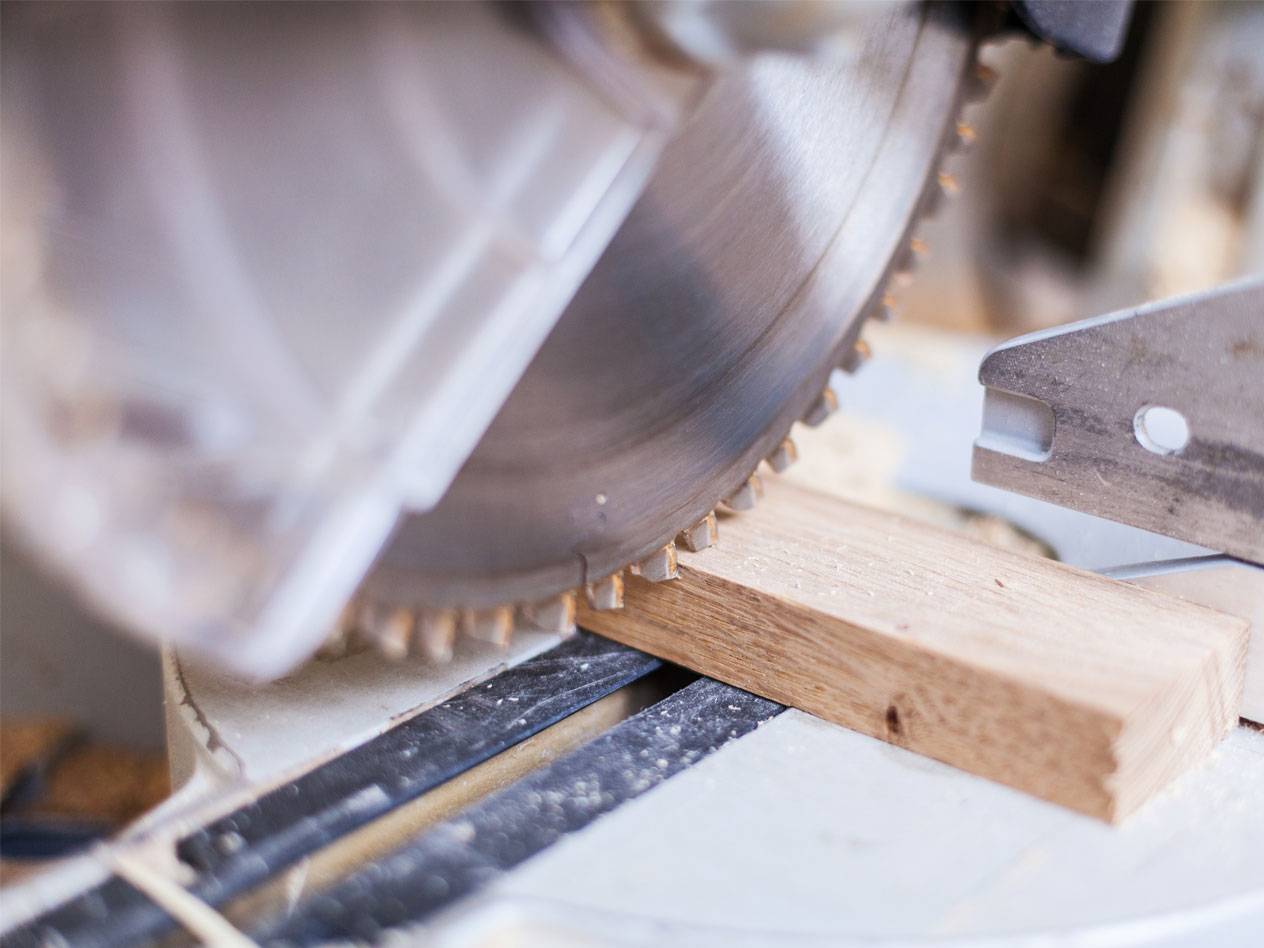
While wooden beams can be cut with a chainsaw, achieving smooth, even cuts with one is very difficult. A miter saw is much better suited for this task. It can be used for miter cuts and cleanly cuts through beams, boards, and laminate alike.
Working with wood panels
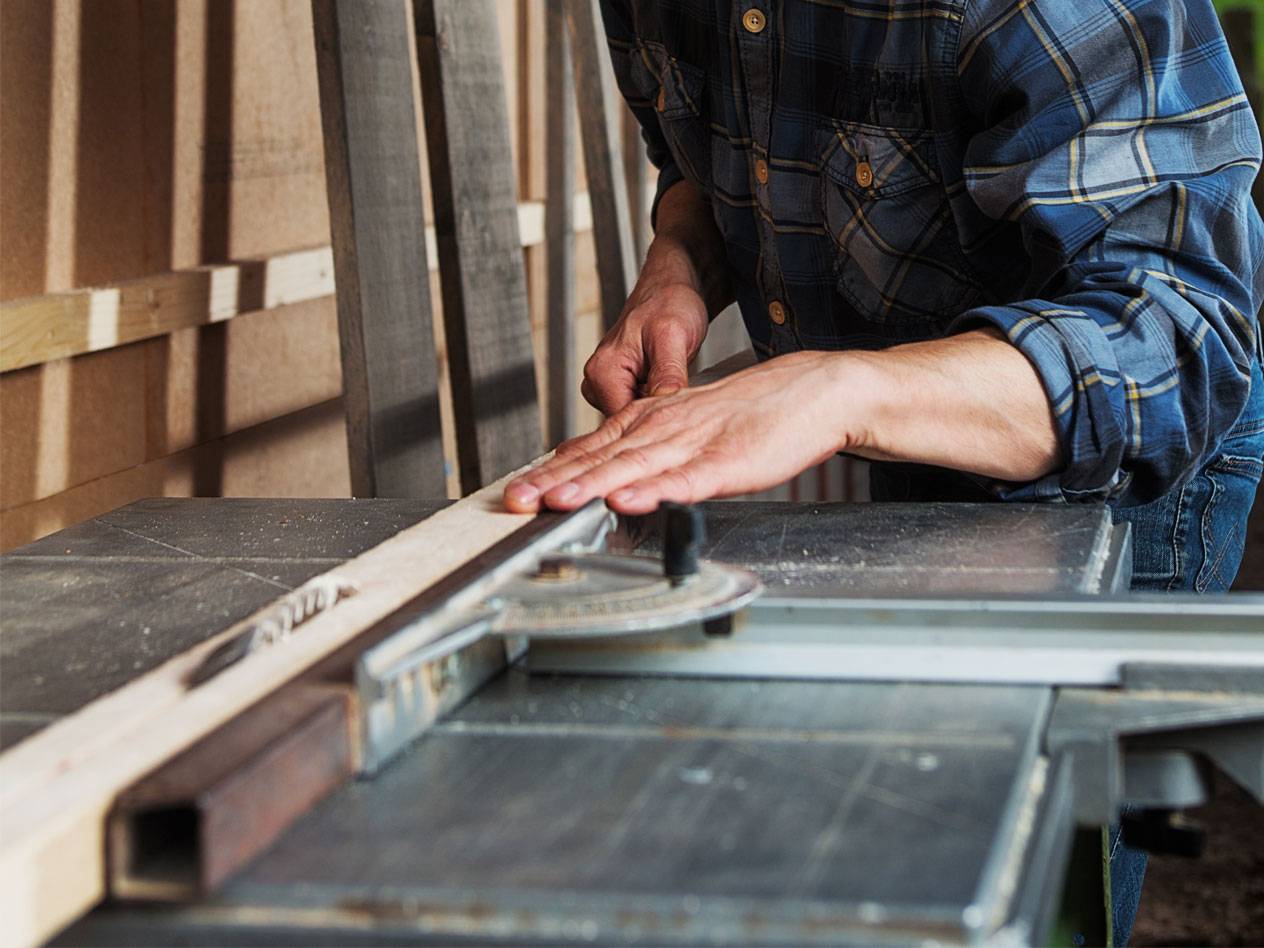
Plywood, OSB or MDF boards are best processed with a table saw. Alternatively, a plunge saw guided through the material with a guide rail is also suitable. For thicker boards, however, a circular saw is required. It allows for deeper cuts, but is less precise compared to plunge and table saws. Sawing wood lying down does not work as precisely as with a table saw and plunge saw.
Sawing wooden figures
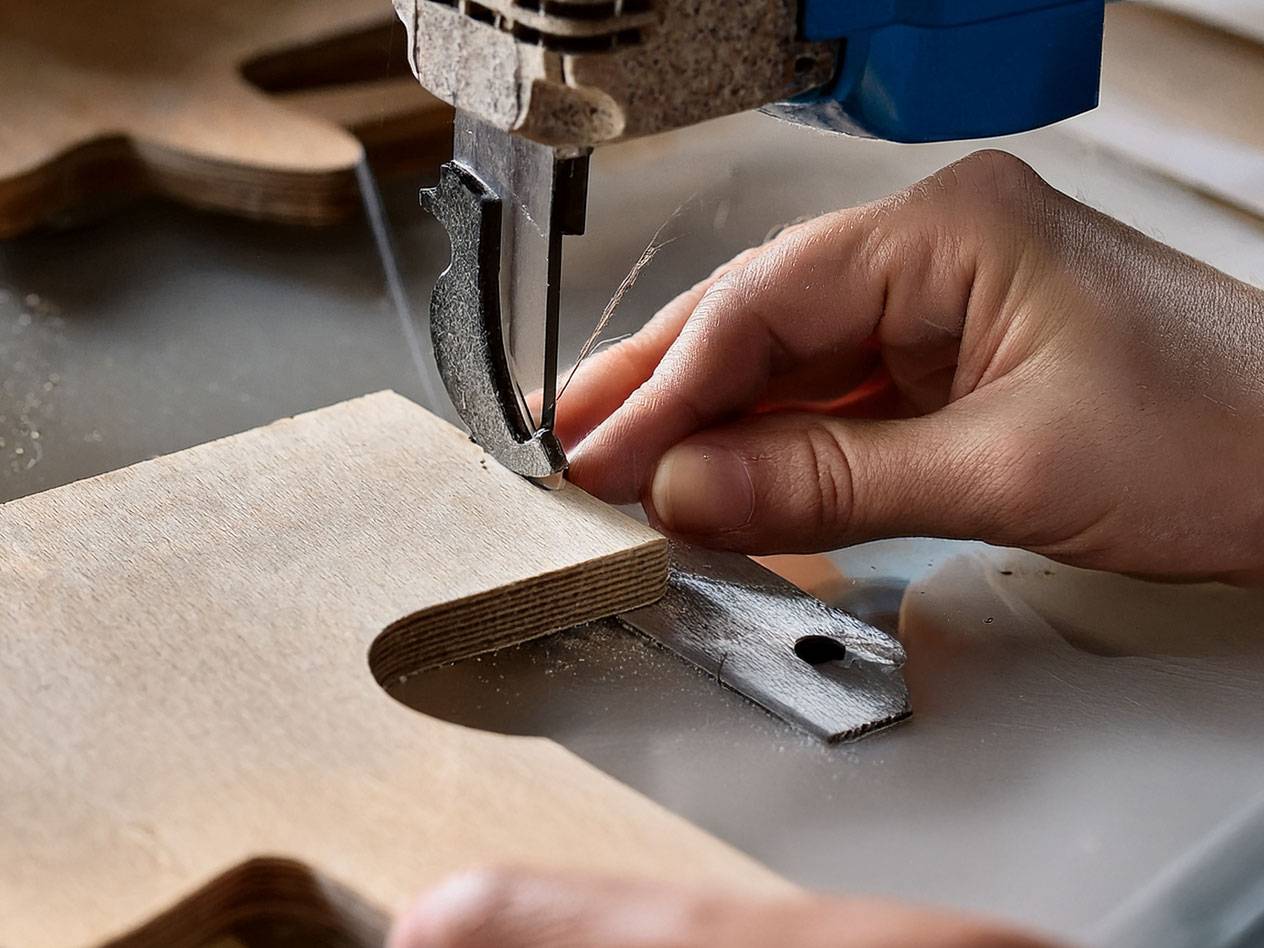
For any type of topiary, a fret saw is best suited. Its mechanized sister is the scroll saw. These tools allow you to cut complex shapes with corners and curves. If you only need to cut straight lines and angles, a jig or band saw is sufficient. While round cuts are also possible with these, the result is usually not very clean. Very intricate and complex shapes may require carving work.
Useful Tips for Sawing Wood
If you want especially clean cut surfaces and edges, you can apply masking tape to the wood surface. This prevents the material from splintering. This is particularly true for veneered wood. Tip: The sharper the saw blade, the better the result.
Any shaped cut should be drawn beforehand with a pencil. Practical templates and cutting guides are very helpful.
If you need to make consistent angled cuts, a tilting saw is recommended. This feature is mainly found on plunge saws, miter saws, and scroll saws. Straight lines are best achieved with a guide rail. Also, make sure to remember that when working with wood, the cutting speed sometimes needs to be reduced. Otherwise, unsightly burn marks and scorching can occur on the edges.
Noise complaints from sawing: When are you allowed to saw wood?
How long you are allowed to carry out sawing work cannot be stated uniformly. This depends on the regulations of the state, city, or municipality. In addition, house rules can also contain specifications regarding quiet hours. Loud electrical appliances may not be used during these times. Tools such as a fretsaw are usually not a problem as long as the noise does not exceed room volume.
Summary
For home use, there are a few wood sawing tasks that are particularly common. With just these few devices, your toolbox is equipped for almost any eventuality:
- Chainsaw: For firewood and garden work.
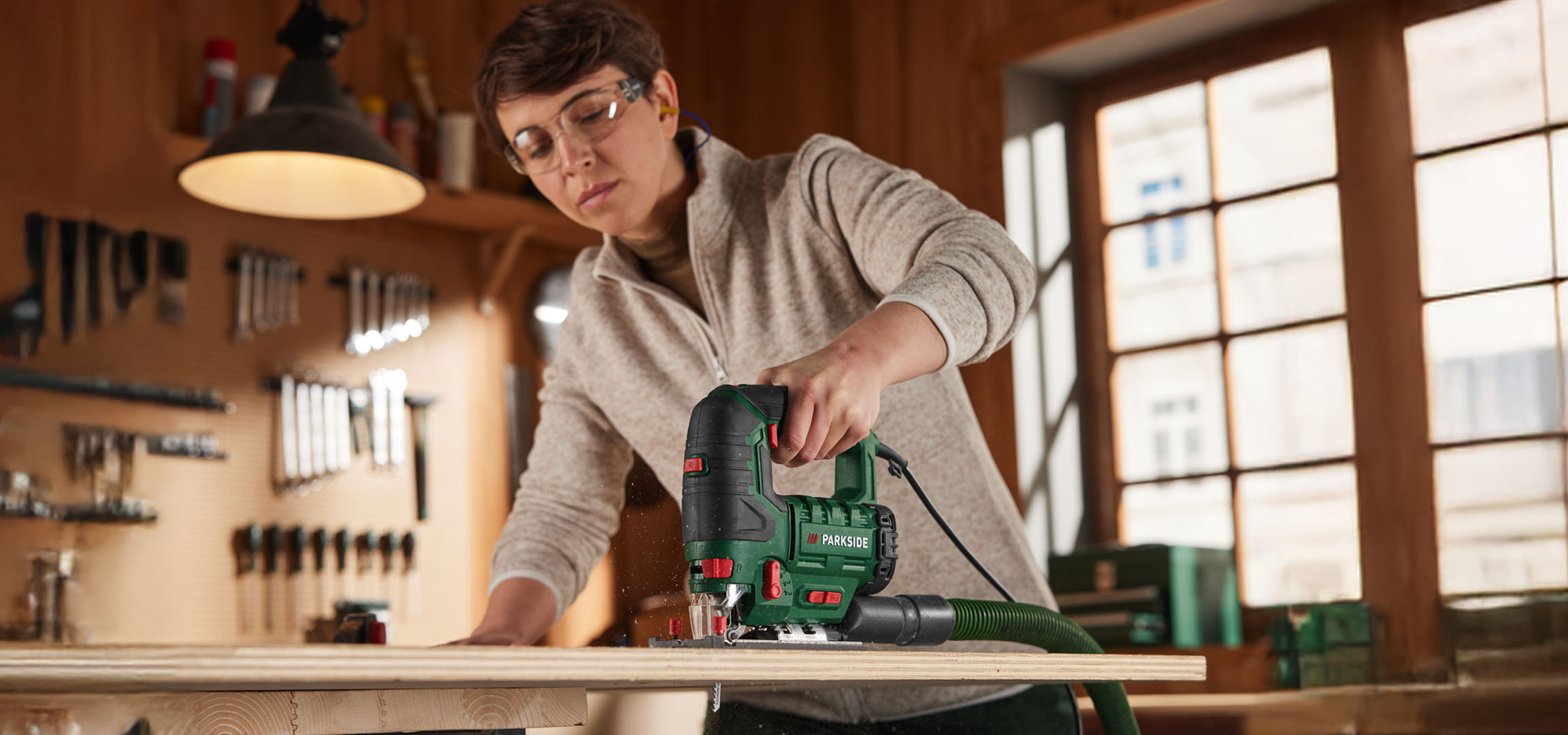
- Plunge saw: For most straight cuts, as it even allows you to make cutouts.
- Scroll saw: For intricate shapes and fine cuts.
- Angle grinder: A versatile tool. With attachments, such as a cutting disc, wood can be sawed in many different ways.