Help, my baby won't sleep! – Bedtime tips for little night owls
A baby needs plenty of rest. A good, undisturbed sleep is important for processing the countless impressions of the day. But that is often easier said than done. What should you do when your child simply doesn't want to sleep? Here you will find practical tips and sleep aids for your baby.
How much sleep does a baby need?
During their first year of life, babies develop at a rapid pace. And they sleep a lot: a newborn snoozes for around 16 to 18 hours a day, evenly distributed across about five sleep phases. Just a few weeks after birth, they begin to develop a certain rhythm, with shorter sleep phases during the day and longer ones at night. However, this is far from meaning they will sleep through the night—it is only at around six months that a baby manages a continuous sleep duration of about six hours at night.
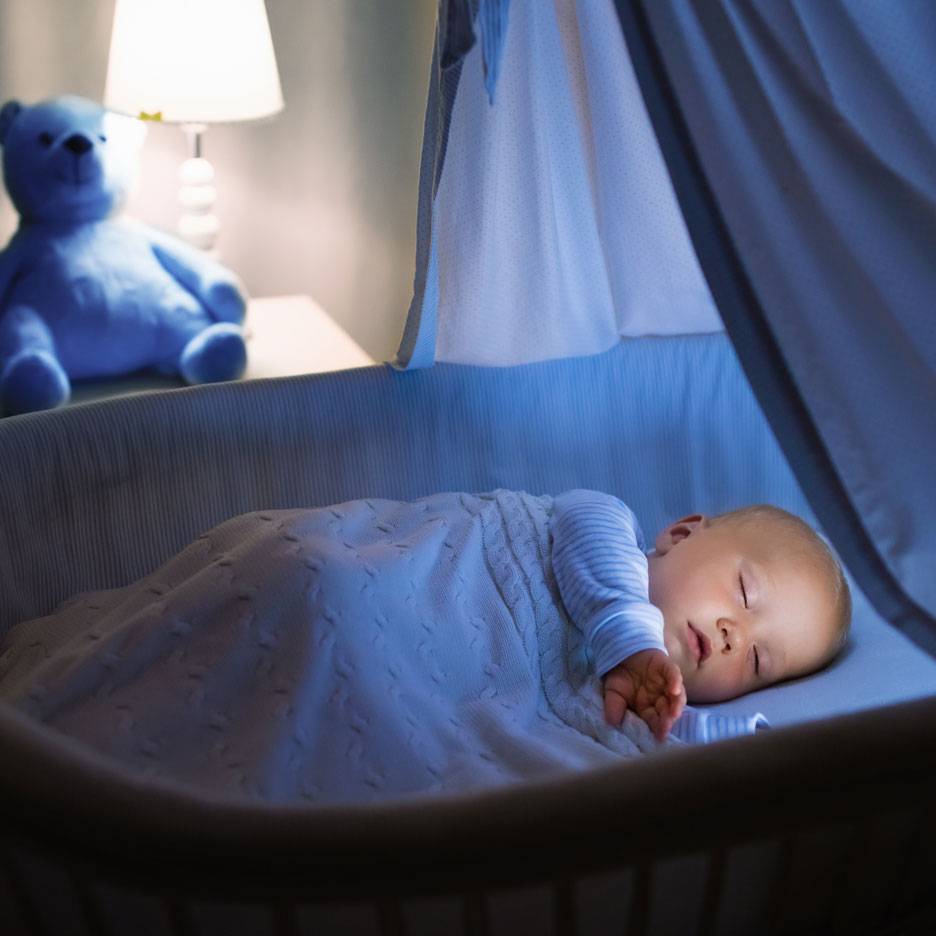
There is one thing you should always keep in mind: your little one is an individual and does not work according to a textbook. They might need less sleep than average. It could also be that they sleep wonderfully as long as they are close to you. Or perhaps your baby suddenly stops falling asleep on their own, even though they used to be an easy sleeper. This is all completely normal – they are constantly developing, and their sleep habits change all the time. But there are things you can do to make it easier for your little darling to drift off to sleep.
Creating Routines and Rituals
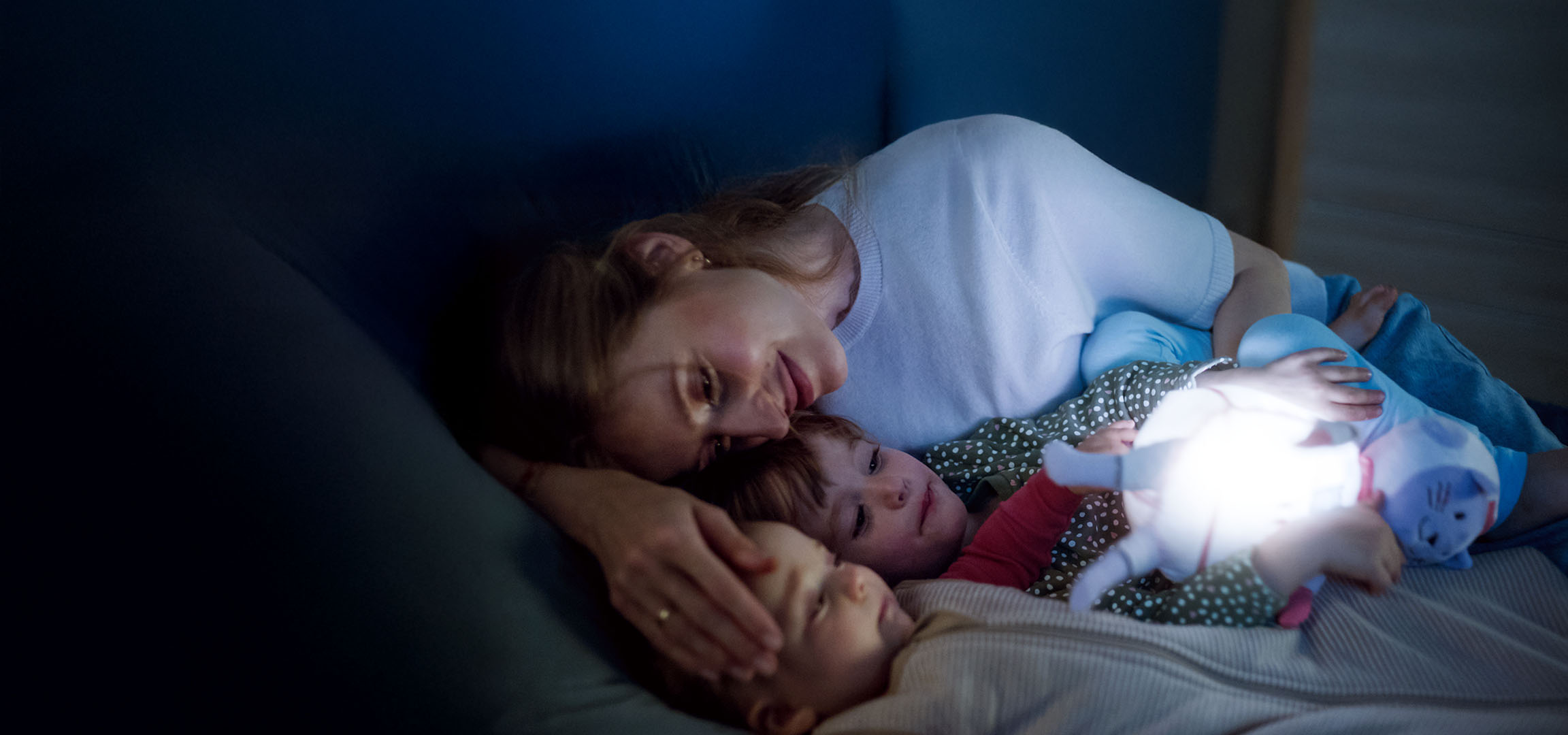
A baby doesn't necessarily fall asleep when you put them in their crib, but rather when they are tired. You can support this with routines and rituals. A consistent daily routine creates habit and security. Evening rituals such as bathing, reading aloud, singing, and cuddling help your child wind down and prepare them for sleep. To promote a regular day-night rhythm, you can always put your little darling to bed at the same time in the evening. A shared evening ritual and a quiet, darkened sleeping environment will help.
Reading Aloud
Reading aloud in the evening creates a sense of security and sets the mood for sleep. Even small babies can recognize bedtime books with large, high-contrast pictures. Short texts in verse form bring a soothing rhythm to the language.
Creating the perfect sleep environment
A night light
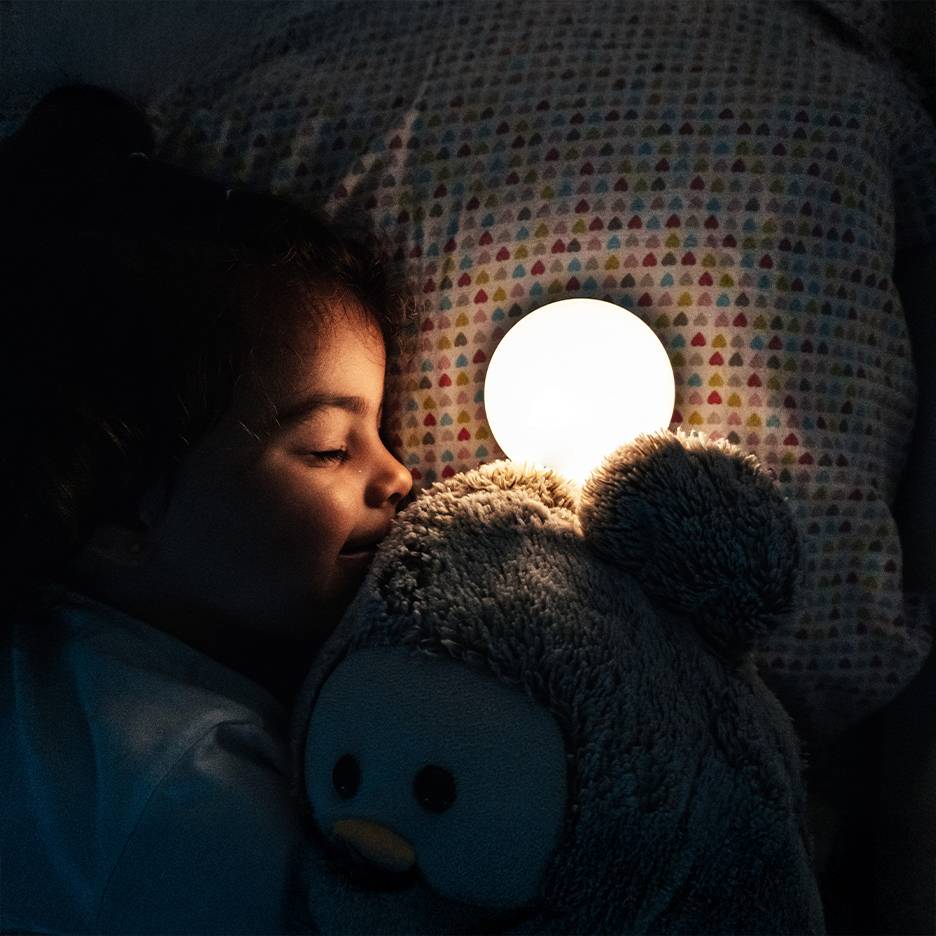
The best way to help a baby fall asleep is a safe and cozy sleeping environment, paired with a bedtime routine. A small night light and a slightly open door ensure that your little darling doesn't feel left alone when lying in their crib. What else is needed to make your child feel safe and secure?
The Crib
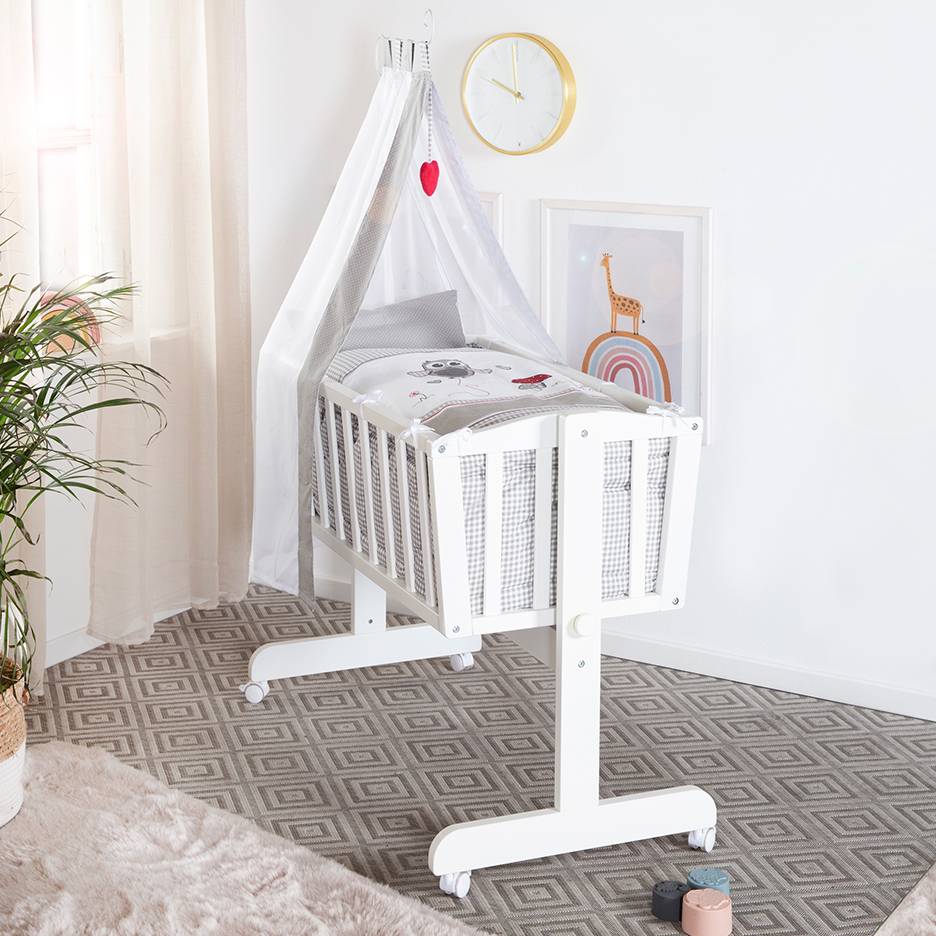
Your baby probably won't sleep equally well everywhere. Newborns especially miss the natural boundaries they experienced in the womb. Left alone in a large crib, they often feel a bit lost and find it harder to settle down. Smaller baby beds, bassinets, and cradles that offer a sense of enclosure are better suited. However, larger cribs can also be made smaller at first with a crib bumper. A pretty canopy also creates a boundary above, providing a feeling of security. It could also be that your baby doesn't sleep well when they are alone at night. In that case, you can provide the desired physical closeness with a co-sleeper. It is placed with the open side next to the parents' bed, so mother and child sleep right next to each other. This has another advantage: breastfeeding mothers no longer have to get up at night, but can simply bring the baby over to them when needed.
Sleeping bag or blanket?
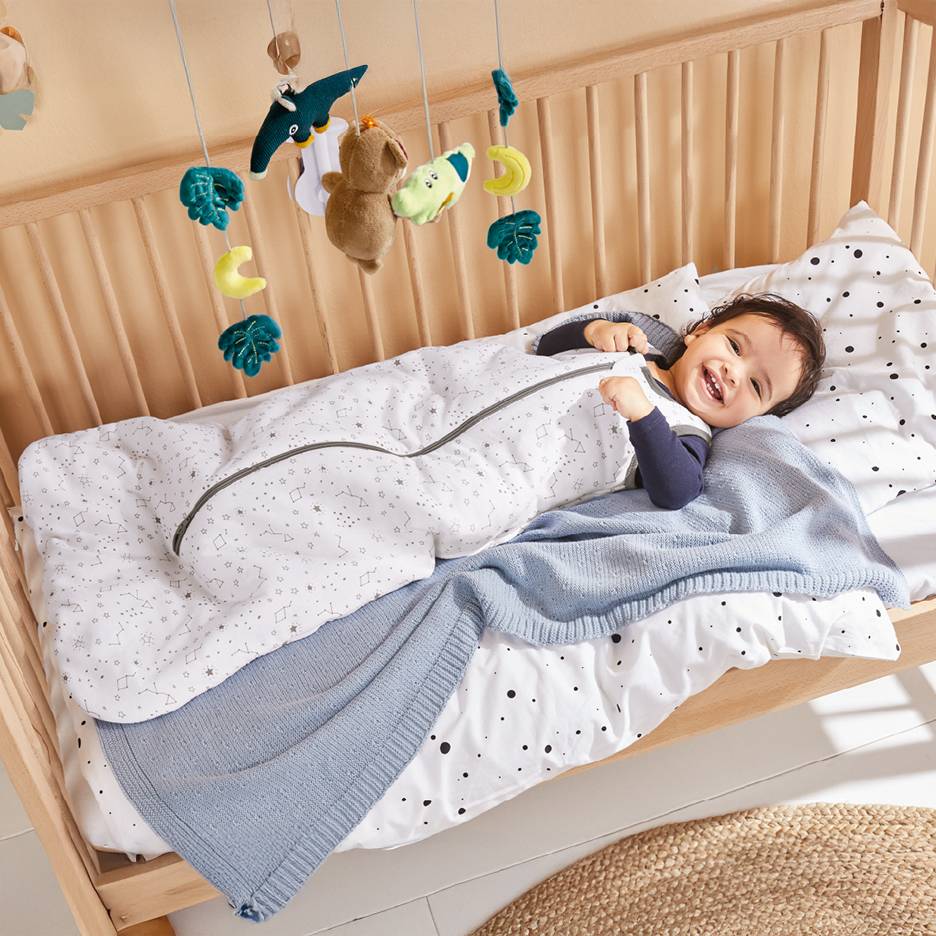
For safety reasons, a sleeping bag is recommended for babies in their first year. The reason: babies do not sleep quietly, but kick their arms and legs even while asleep. A sleeping bag fits securely and does not slip, whereas a blanket is quickly kicked off or – and this is when it gets dangerous – pulled over the face.
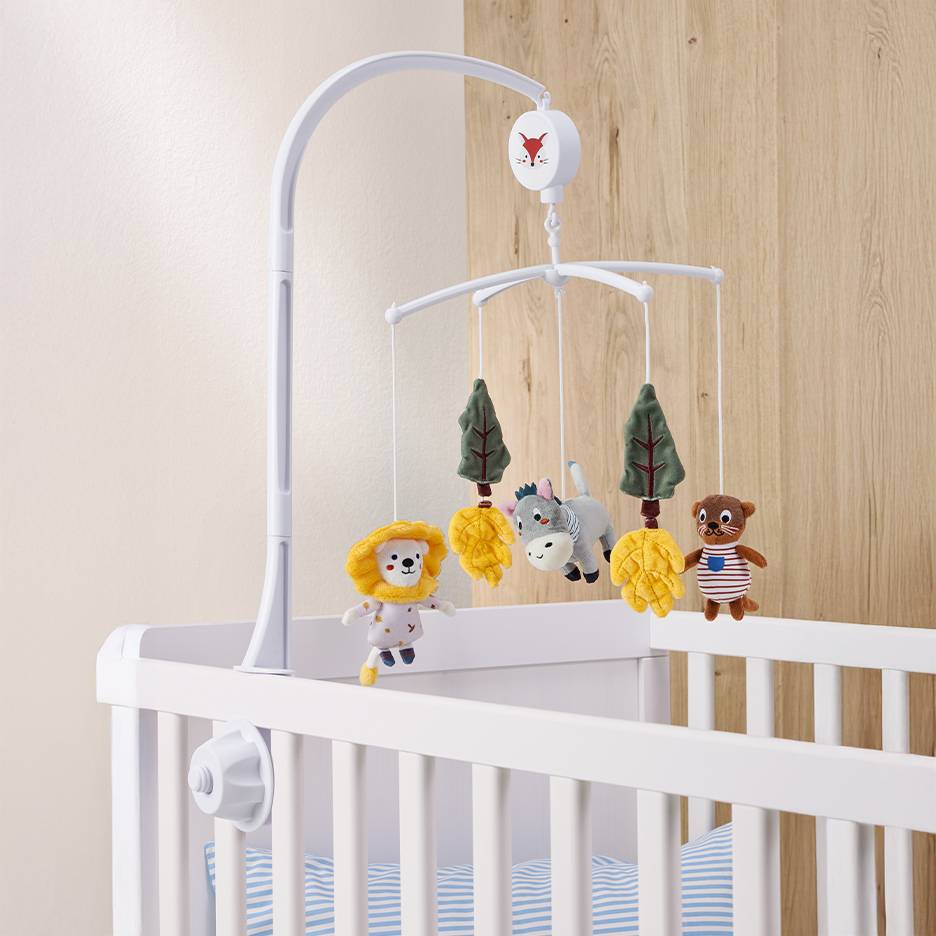
Music Box, Mobile, and Nightlight
Music boxes, mobiles, and nightlights are not just pure decoration; they can also be really effective sleep aids for your baby. Playing a music box can easily become part of the bedtime routine – for example, always right before the lights are turned off. Through daily repetition, your baby quickly learns that it is now bedtime. The gentle dancing of a mobile's figures keeps their eyes busy while having a calming effect. A soft nightlight that gently breaks up the darkness in the room helps your baby orient themselves, especially if they wake up in the middle of the night.
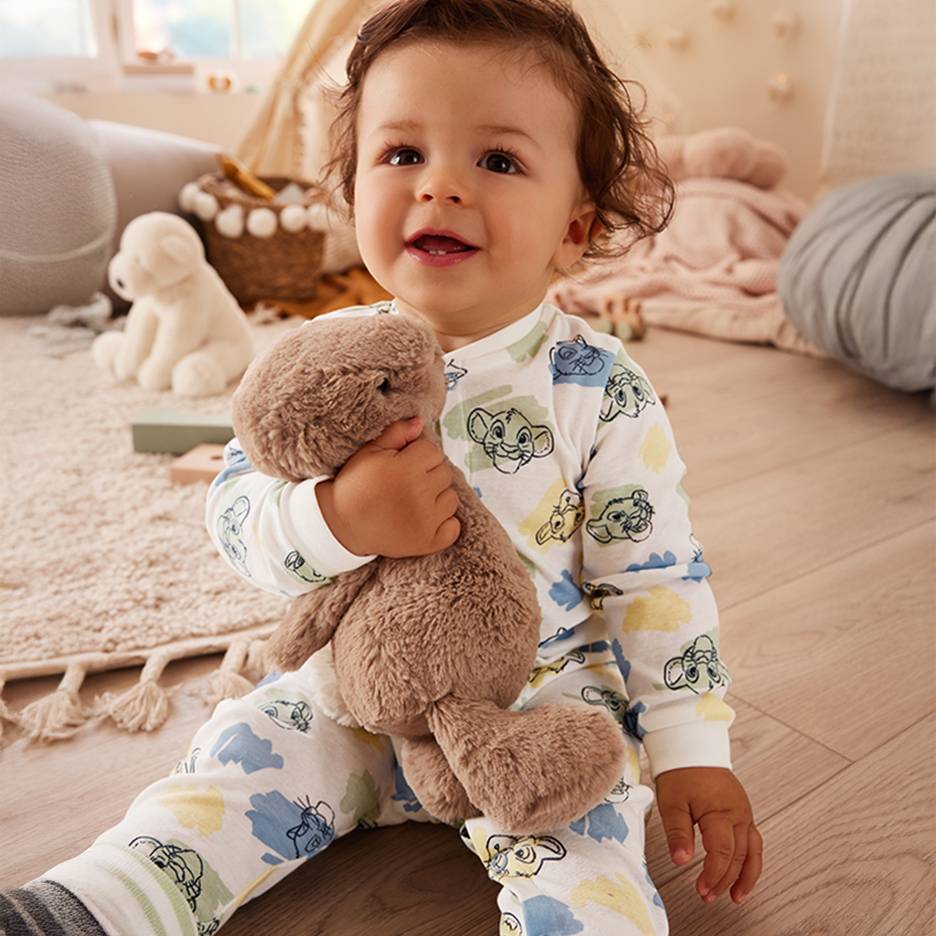
A stuffed animal as a friend and protector
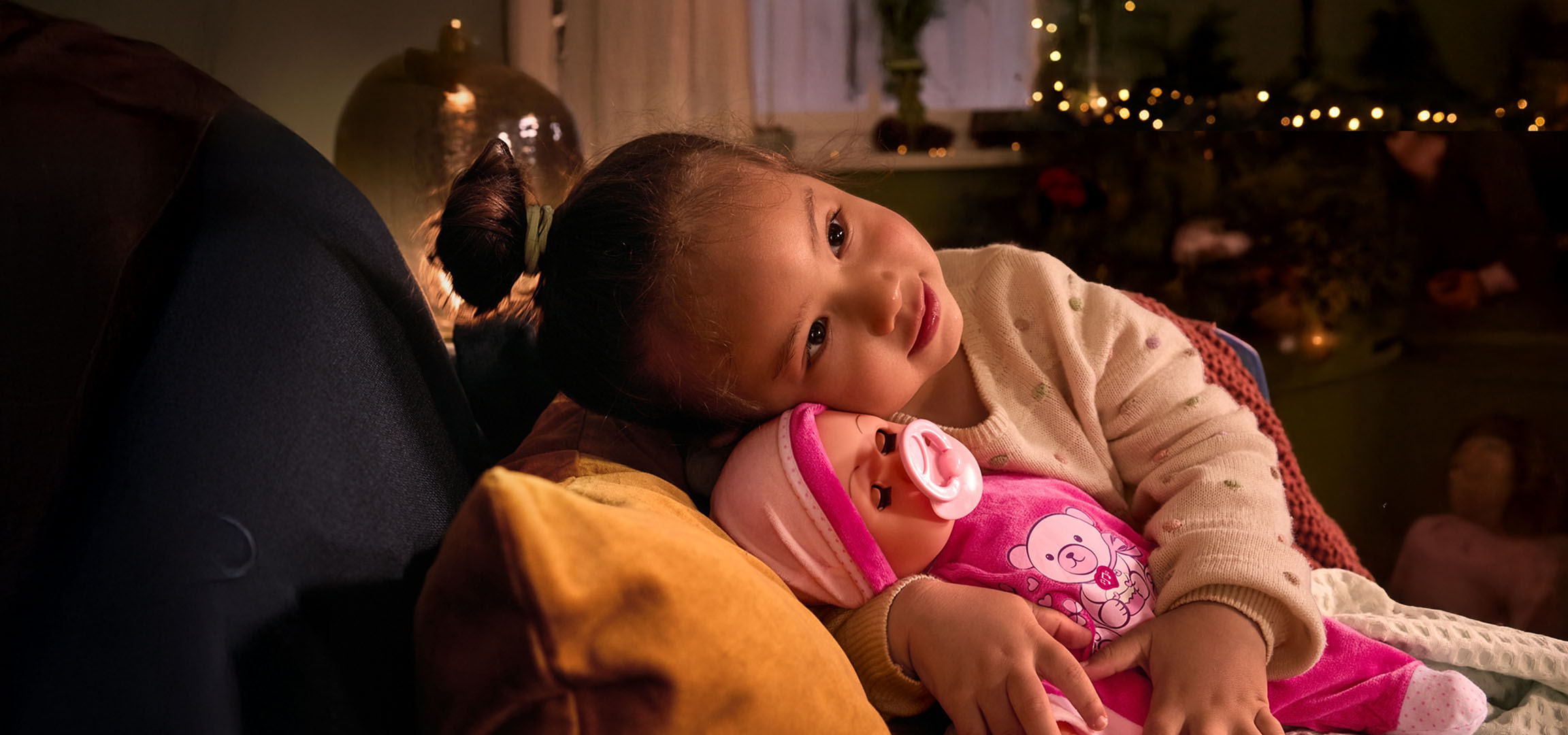
Many children build a close relationship with a stuffed animal at a very early baby age, and it accompanies them everywhere they go. The emotional bond with their cuddly friend also ensures that your little one feels safe and secure in its presence at night. This can help them fall asleep and ensure they find their way back to sleep more easily, even when you are not right by their side.