Hedge Trimmers Compared: How to Find the Right Hedge Trimmer
Whether it is a manual, electric, cordless, or gas hedge trimmer: there is a perfect model for every garden hedge and requirement. This guide shows you what to look for when buying.
Hedge Trimmers: An Overview of the Types
Anyone looking to buy a hedge trimmer has a choice between various models and designs. The first decision involves choosing the type of power source. Manual hedge trimmers as well as electric, cordless, or gasoline-powered models all have their own advantages and disadvantages.
Electric Hedge Trimmer
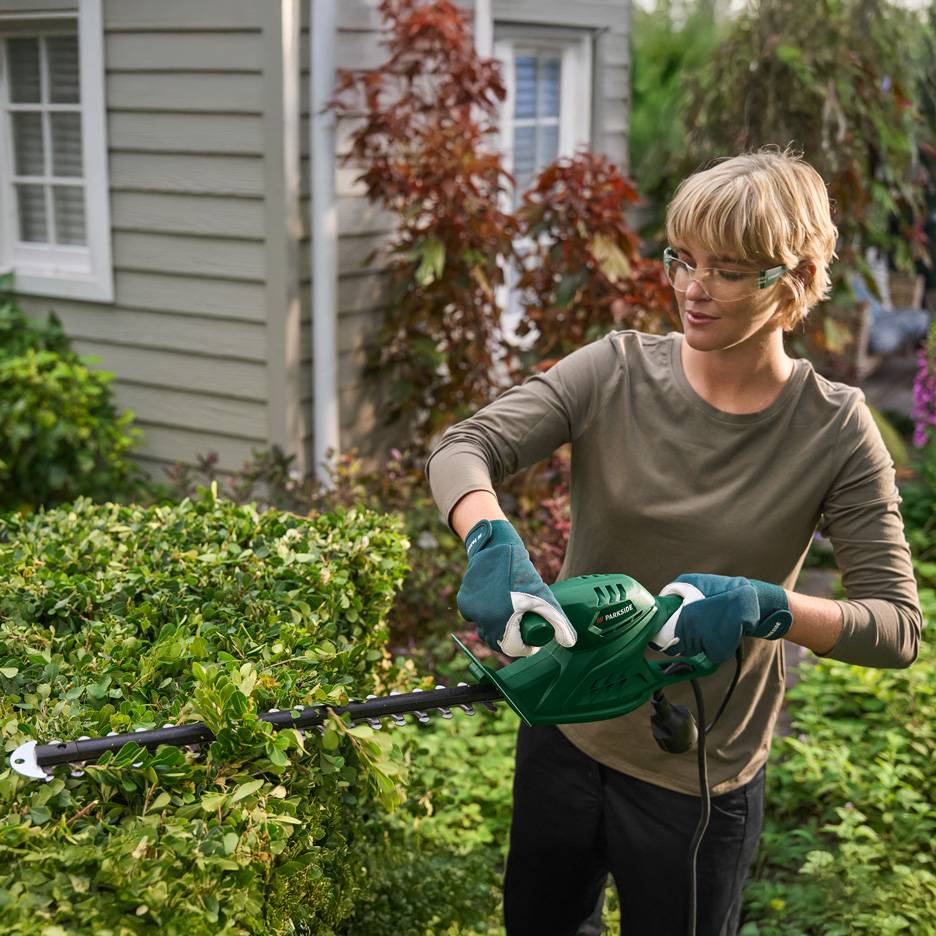
Electric hedge trimmers are connected to a power outlet via a cable. This allows even large areas to be worked on without a break. However, the corded design limits freedom of movement. In large yards or when there is no outlet nearby, an extension cord must be used to help.
Pros:
- Unlimited runtime
- Lightweight
- Affordable
Cons:
- Limited freedom of movement
- Power connection required on site
- Risk of accidentally cutting the cable
Cordless Hedge Trimmer
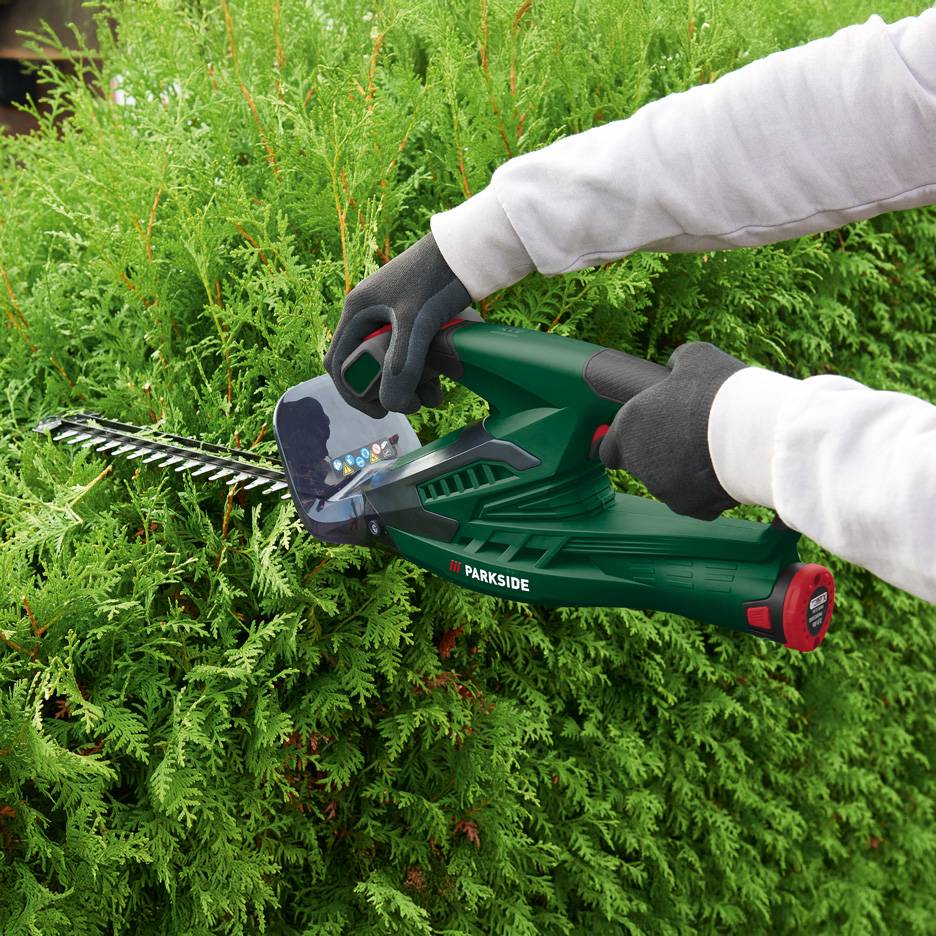
For large yards or properties without an electrical outlet, buying a cordless hedge trimmer is a great option. Depending on the battery quality, you may need to plan for recharging breaks when working on larger areas. However, cordless hedge trimmers are highly impressive due to their quiet operation.
Pros:
- Quiet
- High freedom of movement
Cons:
- Limited runtime
- Heavier weight (compared to corded models)
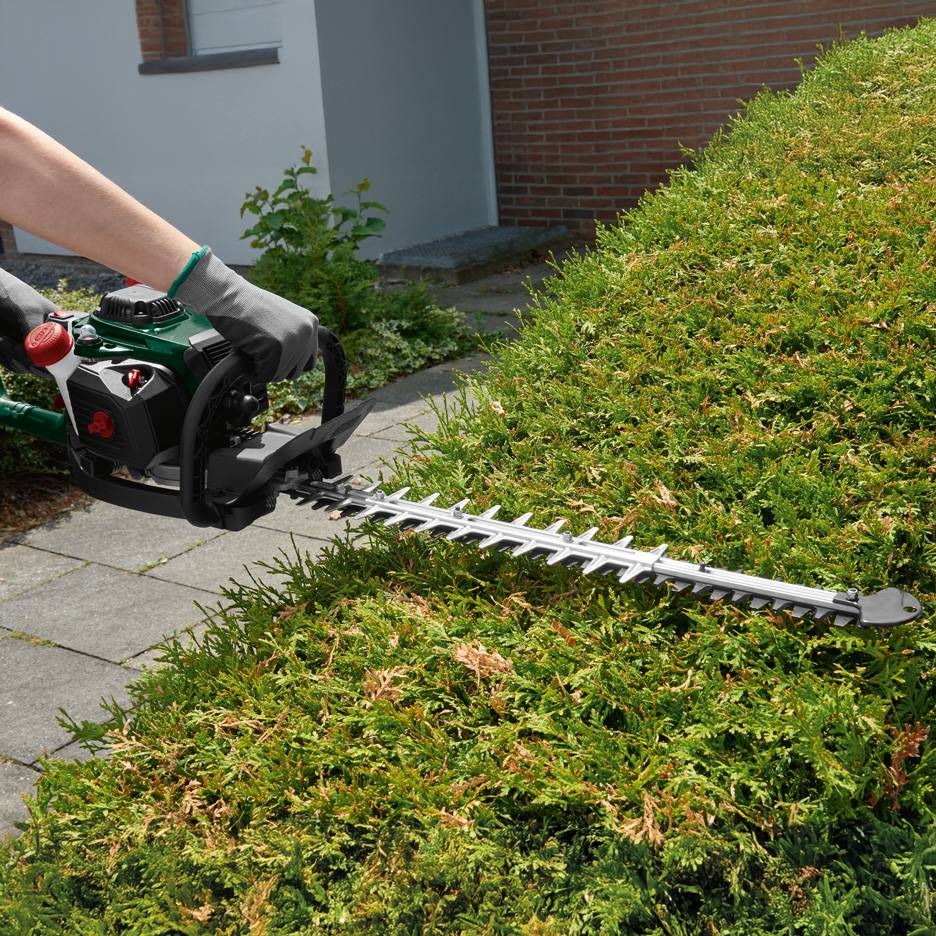
Gasoline Hedge Trimmer
Hedge trimmers with a gasoline engine are ideal for use on remote properties without a nearby power source or for particularly large areas. Gardening professionals also rely on gasoline hedge trimmers. This is due to their high performance and power, which allows even thicker branches to be cut easily.
Pros:
- Great freedom of movement
- No local power connection required
- Maximum performance
Cons:
- Heavy weight
- Loud
- High maintenance
- Expensive
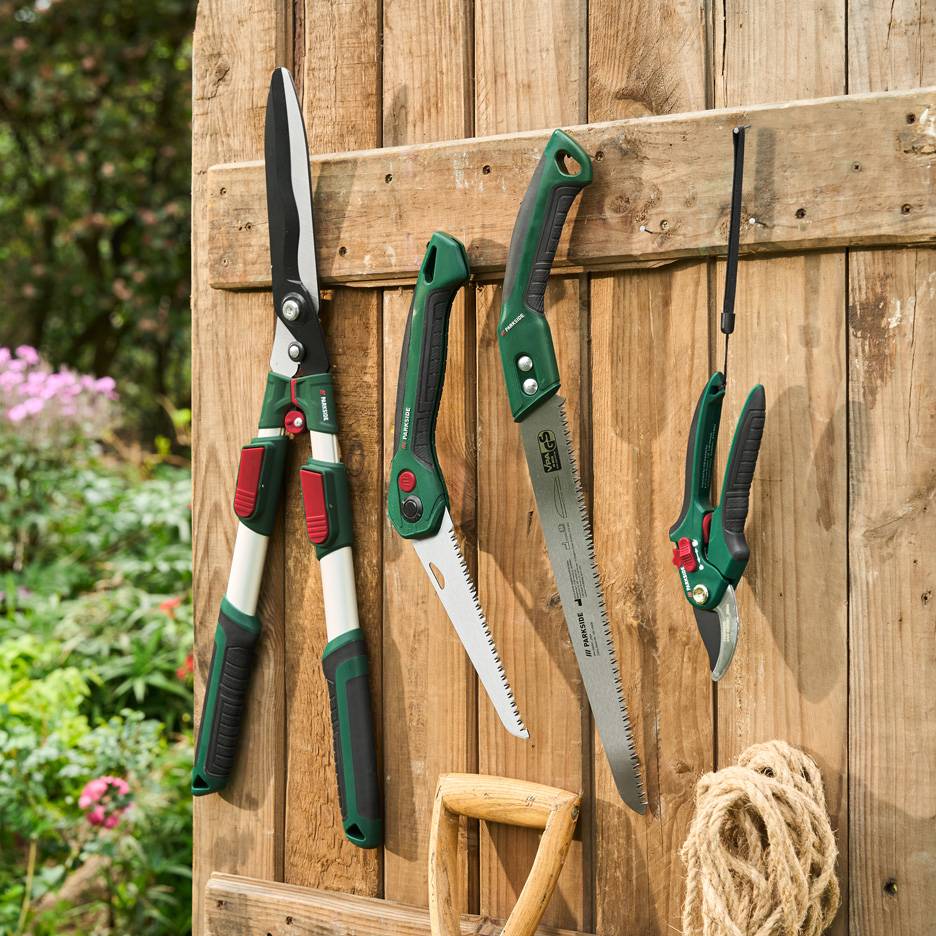
Manual Hedge Shears
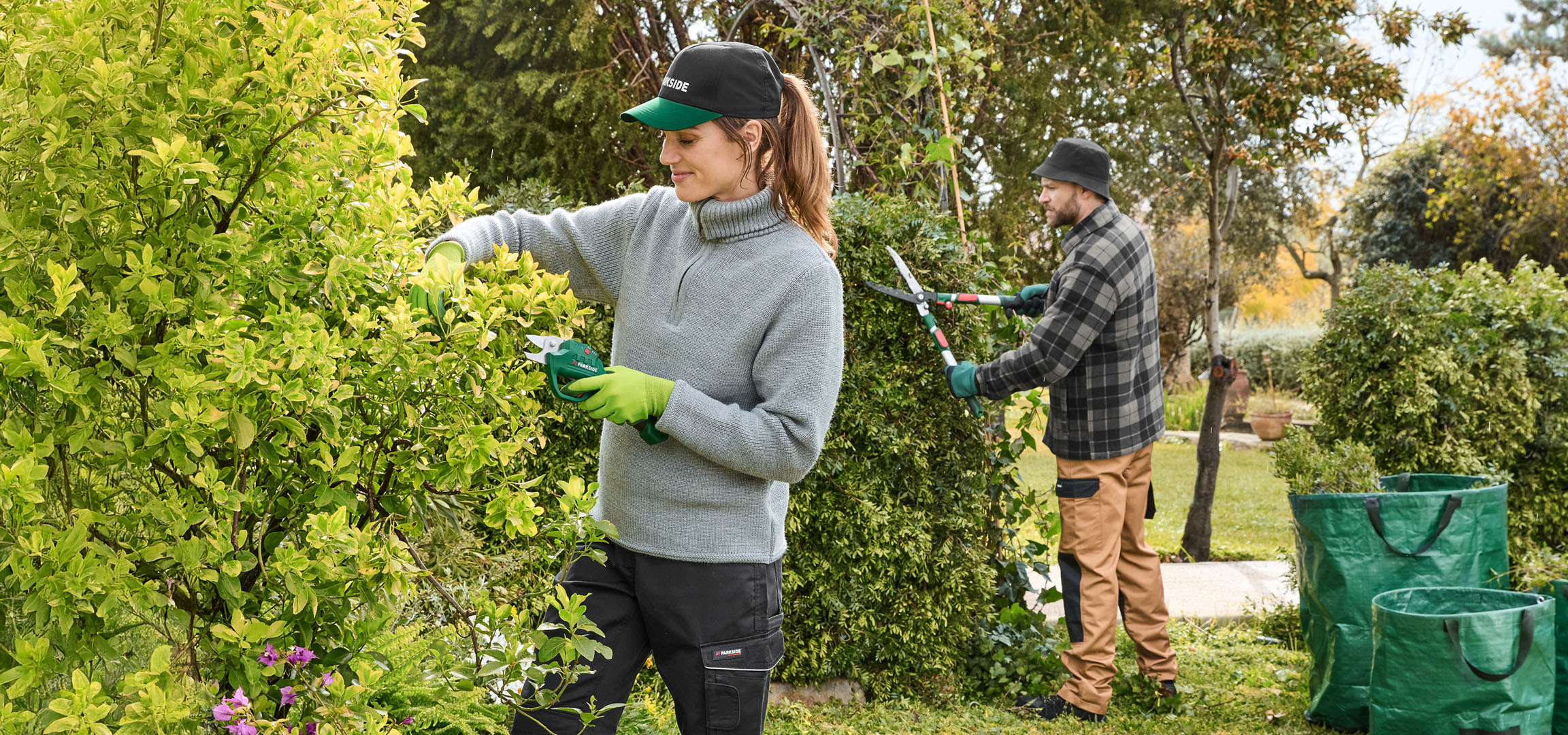
Manual hedge shears are particularly suitable for hard-to-reach corners of your hedge. Even if you only need to trim a short hedge or if hedge trimming is only required once a year, manual shears are perfectly adequate. For larger areas and frequent trimming, you should opt for motorized hedge trimmers, as gardening would otherwise become very time-consuming and tedious.
Pros:
- Budget-friendly
- No maintenance required
Cons:
- Physically demanding
- Not suitable for large areas
- Not suitable for thicker branches and twigs
Criteria for Buying a Hedge Trimmer
Once you have decided on a power source, the buying process can move to the next stage. Factors such as cutting length, power, and ease of use should be carefully considered before purchasing, so that working with your hedge trimmer doesn't bring any unpleasant surprises.
Cutting Length
The size of your hedge and the type of cut determine the required cutting length – meaning how much area can be trimmed in a single pass. Cutting length should not be confused with blade length, which refers to the overall length of the trimmer. As a general rule of thumb: the longer the cutting length, the heavier the hedge trimmer and the more difficult it is to make precise cuts.
Power
The power of the hedge trimmer determines which branches and twigs it can cut through. The thicker the branches, the higher the power should be. If you trim your hedge rather infrequently and therefore have to deal with tougher, thicker branches, you should look for a powerful motor. Entry-level models start at around 400 watts, but for more demanding tasks, a hedge trimmer with 750 watts or more is recommended.
Ease of Use
Working with a hedge trimmer can quickly become tiring, making user comfort and ease of use all the more important. Consider the following questions before making your purchase:
Can I comfortably use the trimmer for overhead work?
For left-handed users: Are the handles and buttons symmetrically arranged?
Does the hedge trimmer feature an anti-vibration system?
Tip: Telescopic Hedge Trimmers for Tall Hedges
The heavy weight of a hedge trimmer makes working on a ladder dangerous. The perfect solution for trimming tall hedges is a telescopic hedge trimmer. This allows you to cut hedges up to 10 feet (3 meters) high safely from the ground, without needing a ladder at all.
Safe Handling of Hedge Trimmers
The sharp, fast-moving blades of a hedge trimmer can be dangerous. That is why it is important to look for specific safety features when purchasing one.
- A two-hand safety switch prevents accidental startup.
- An automatic blade brake stops the hedge trimmer blades from running on after power-off.
- An overload protection shuts off the motor if the load becomes too high – for example, when cutting thick branches.
- A hand guard protects against flying twigs and debris.
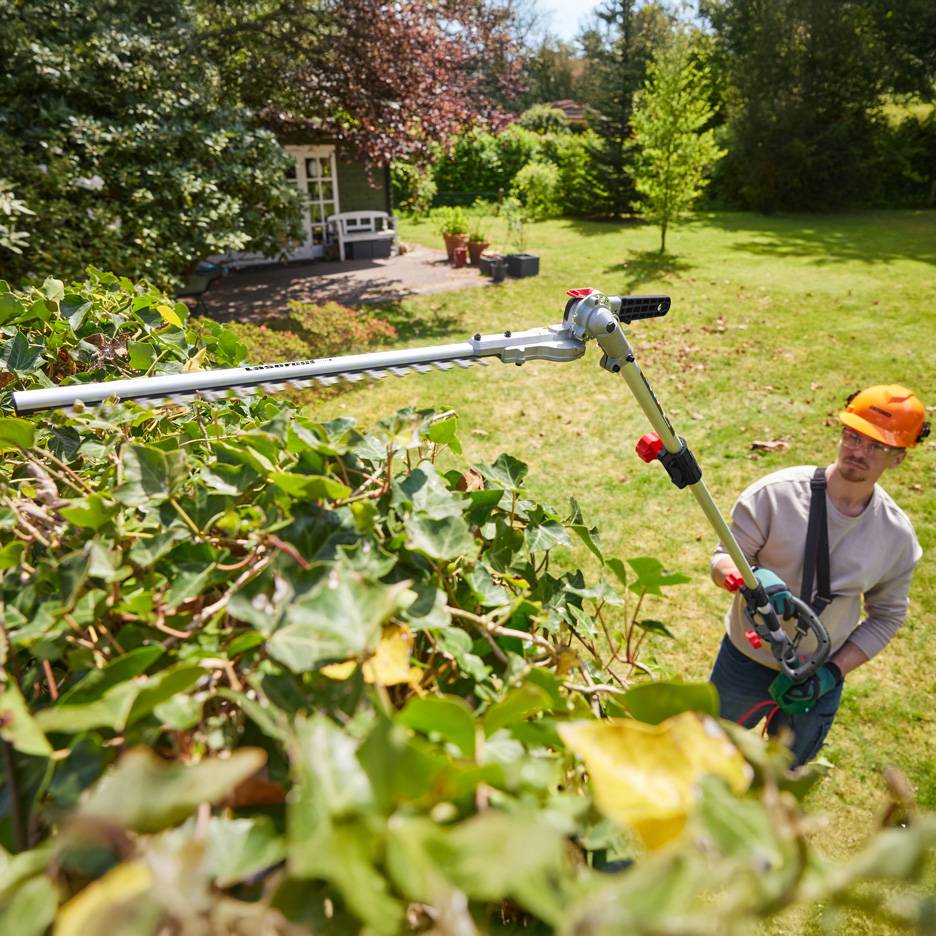
Required Protective Gear
In addition to the safety features, the following protective equipment should be worn for safe operation of a hedge trimmer:
- Safety glasses
- Garden gloves
- Hearing protection (for gas-powered hedge trimmers)
Questions and Answers
When dealing with thick branches, it is tempting to quickly cut them off with a chainsaw. However, working with a saw has several disadvantages. First, due to its large size, a precise cut is not possible. Second, chainsaws are not suitable for work performed above chest height – the risk of injury is too high. However, there are 2-in-1 tools that combine a hedge trimmer and a chainsaw, with their size and weight adjusted accordingly.